
Armored cables are essential in electrical installations that demand extra protection from mechanical damage, moisture, and environmental stress. Whether you're wiring a building, running underground power lines, or protecting circuits in industrial areas, selecting the right type of armored cable is critical for safety, performance, and compliance.
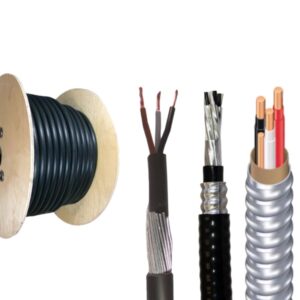
In this guide, we’ll walk through:
-
What armored cable is
-
Main types of armored cable
-
Key differences between them
-
Where each type is used
-
Buying tips
🔍 What Is an Armored Cable?
An armored cable is an electrical cable with an added protective layer—typically made of steel or aluminum—to shield conductors from physical damage. The armor layer can be:
-
Steel Wire Armour (SWA)
-
Steel Tape Armour (STA)
-
Aluminum Wire Armour (AWA)
-
Interlocked armor (typically used in the US)
Armored cables are commonly used in:
-
Industrial power distribution
-
Outdoor or underground installations
-
Harsh or hazardous environments
-
Direct burial applications
🧱 Main Types of Armored Cable
Here are the most widely used types of armored cables and their features:
1. SWA Cable (Steel Wire Armoured Cable)
-
Core: Copper or aluminum conductors
-
Armor: Galvanized steel wire
-
Sheath: PVC or LSZH
-
Voltage rating: 600/1000V
-
Use: Power transmission in fixed installations—often underground or outdoor
🧰 Common in: UK, Europe
📦 Example: 6mm 3 core SWA cable
2. STA Cable (Steel Tape Armored Cable)
-
Armor: Steel tape (instead of wire)
-
More flexible, but less resistant to impact compared to SWA
-
Typically used for indoor installations or ducts
📌 Best for: Low mechanical stress zones
🛡️ Not ideal: Direct burial or high-impact areas
3. AWA Cable (Aluminum Wire Armoured Cable)
-
Used with single-core cables
-
Prevents magnetic interference (eddy currents)
-
Lightweight vs SWA
💡 Typical in: High-voltage single-core systems
⚙️ Standard: IEC 60502-1
4. BX Cable (US Terminology)
-
Type AC cable (Armored Cable)
-
Flexible metallic sheath, often used in residential and commercial buildings
-
Includes bonding strip for grounding
🏠 Used in: Indoor wiring of lighting and power circuits
5. MC Cable (Metal-Clad Cable)
-
Stronger and safer alternative to BX
-
Aluminum interlocked armor
-
Can include multiple conductors and ground
-
Suitable for wet locations, concealed or exposed
📏 Common standards: UL 1569, NEC Article 330
6. Lead Sheathed Armored Cable
-
Additional lead layer to resist moisture and chemical corrosion
-
Often used in underground, oil & gas, or chemical industries
🛢️ Highly resistant to oil, acid, and alkali environments
7. Fire-Resistant Armored Cables
-
Often include mica tape or mineral insulation
-
Maintains circuit integrity during fire
-
Found in emergency systems (e.g., alarms, smoke extractors)
🚨 Standards: IEC 60331, BS 6387
🔄 Comparison Table: SWA vs STA vs MC vs BX
| Feature | SWA | STA | MC (US) | BX (US) |
|---|---|---|---|---|
| Armor Type | Steel wire | Steel tape | Interlocked | Interlocked |
| Rigidity | Rigid | Flexible | Flexible | Semi-flex |
| Indoor/Outdoor | Both | Indoor | Both | Indoor only |
| Direct Burial | Yes | No | Some types | No |
| Grounding Conductor | Separate | Separate | Built-in | Bonding strip |
| Common Voltage Range | 600/1000V | 600V | 600V–5kV | 600V |
🧰 Application Scenarios
-
SWA Cable: Outdoor lighting, buried power lines, building mains
-
MC Cable: Commercial buildings, industrial equipment
-
BX Cable: Home remodels, concealed wall installations
-
Lead Sheathed Cable: Refineries, chemical plants
-
Fireproof Armored Cable: Emergency lighting, fire alarms
✅ Tips for Choosing the Right Armored Cable
-
Check your voltage and current needs
-
Match armor type to environmental conditions (e.g., corrosion, moisture)
-
Follow local electrical codes
-
Consider mechanical protection level needed
-
Use proper cable glands or termination kits for armored types
📌 Final Thoughts
Understanding the different types of armored cable helps ensure a safe, compliant, and durable electrical system. From SWA to MC, each has its own purpose and application—choosing the right one saves both cost and trouble in the long run.


