What is a Coil Instrument Cable?
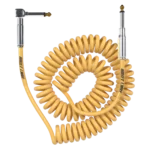
A coil instrument cable, also known as a curly cable or spiral cable, is a specialized audio cable designed with a coiled construction that stretches and retracts. These cables have become iconic in the music industry, offering both practical functionality and distinctive aesthetic appeal for guitarists, bassists, and other musicians.
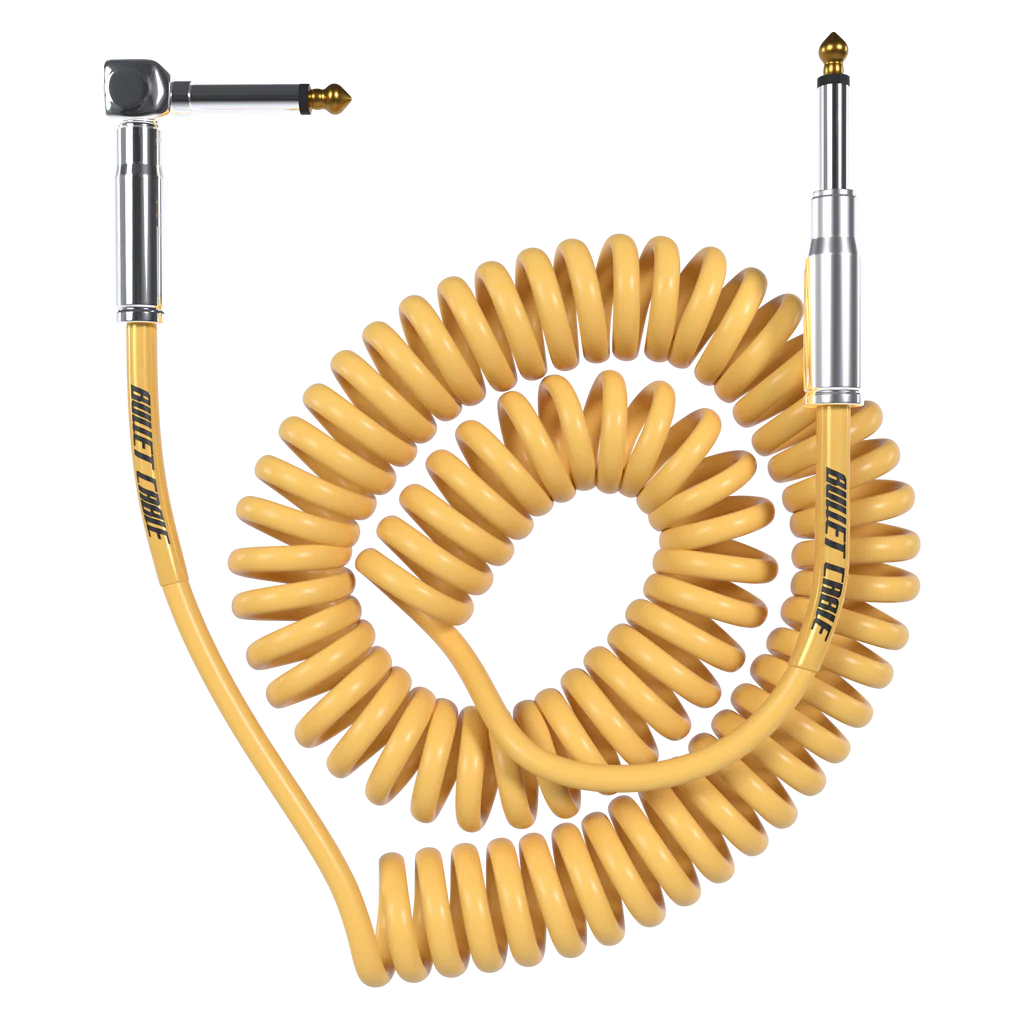
coil instrument cable
Why Choose Coil Instrument Cables?
Space-Saving Design
The primary advantage of coil instrument cables lies in their compact, space-saving design. When not stretched, these cables remain neatly coiled, preventing tangling and reducing tripping hazards on stage. The coiled structure allows musicians to move freely while maintaining a tidy setup.
Enhanced Durability
Quality coil instrument cables feature robust construction that withstands the rigors of live performance and studio work. The coiled design naturally absorbs stress and tension, reducing wear on connection points and extending cable lifespan compared to straight cables.
Professional Aesthetics
Many professional musicians prefer coil instrument cables for their classic, vintage appearance. These cables evoke the golden era of rock and blues, adding visual authenticity to performances and recording sessions.
Key Features to Consider
Cable Length and Stretch
Coil instrument cables typically feature a coiled length between 6 to 12 feet, stretching to 15 to 30 feet when fully extended. Consider your performance space and movement requirements when selecting cable length.
Conductor Quality
High-quality coil instrument cables utilize oxygen-free copper conductors that ensure clear signal transmission with minimal interference. Look for cables with proper shielding to reduce electromagnetic and radio frequency interference.
Connector Types
Most coil instrument cables feature standard 1/4-inch TS (tip-sleeve) connectors, though some models offer right-angle plugs for specific instrument configurations. Premium cables include gold-plated connectors for optimal conductivity and corrosion resistance.
Capacitance Considerations
The coiled design inherently increases cable capacitance, which can affect high-frequency response. Premium coil instrument cables employ low-capacitance designs to maintain tonal clarity and preserve your instrument's natural sound.
Applications and Use Cases
Electric Guitar and Bass
Coil instrument cables excel in guitar and bass applications, providing the freedom of movement needed for dynamic performances while maintaining signal integrity. Many legendary guitarists have made these cables part of their signature sound and style.
Keyboard and Synthesizer
Keyboardists appreciate coil instrument cables for desktop setups where cable management is crucial. The retractable design keeps workspaces organized while providing flexibility when needed.
Studio Recording
In professional studios, coil instrument cables help maintain clean recording environments by minimizing cable clutter. Their distinctive appearance also makes them easy to identify among multiple connections.
Maintenance and Care Tips
To maximize the lifespan of your coil instrument cable, avoid over-stretching beyond its designed capacity. Store cables loosely coiled when not in use, and regularly inspect connectors for signs of wear. Clean connector surfaces periodically to maintain optimal signal quality.
Choosing the Right Coil Instrument Cable
When selecting a coil instrument cable, consider your specific needs regarding length, tonal characteristics, and build quality. Professional-grade cables from reputable manufacturers offer superior construction, better shielding, and enhanced durability, making them worthwhile investments for serious musicians.
Budget-friendly options exist for beginners and casual players, though these may compromise on signal quality and longevity. Evaluate your performance requirements and budget to find the ideal balance.
Conclusion
Coil instrument cables remain essential tools for musicians seeking functionality, durability, and classic style. Whether performing on stage, recording in the studio, or practicing at home, these versatile cables offer practical benefits while contributing to your unique musical aesthetic. By understanding the key features and applications of coil instrument cables, you can make informed decisions that enhance your performance and protect your audio investment.
Invest in quality coil instrument cables that match your playing style and technical requirements, and experience the perfect combination of form and function that has made these cables industry standards for decades.