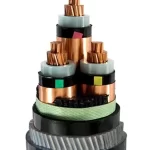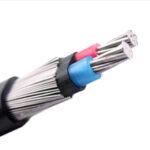
Connecting an armoured cable (SWA cable) to a consumer unit is a common task in domestic and commercial wiring projects. It’s essential for safely supplying power from the mains to outbuildings, garages, or distribution boards. In this guide, we’ll walk you through the correct process—from preparation to termination—ensuring your installation is both compliant and secure.
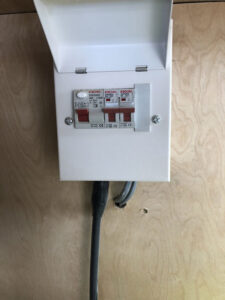
🔧 What You’ll Need
Before you begin, gather the following tools and materials:
Steel Wire Armoured (SWA) cable
Consumer unit
SWA gland kit (including locknut, brass gland, and earth tag)
Cable stripper / knife
Adjustable spanner
Screwdrivers (flathead and Phillips)
Earth sleeving
Cable lugs (optional)
Multimeter (for testing)
⚠️ Safety First
Always turn off the main power supply before working on a consumer unit.
Verify isolation with a multimeter or voltage tester.
If you're unsure, consult a qualified electrician.
🧰 Step-by-Step: How to Connect Armoured Cable to a Consumer Unit
1. Measure and Cut the Cable
Cut the SWA cable to your desired length using a cable cutter or hacksaw. Ensure enough slack for termination at both ends.
2. Strip the Outer Sheath
Carefully remove the black PVC outer sheath (around 150mm) without damaging the wire armour underneath.
3. Prepare and Fit the Gland
Slide the gland nut and shroud over the cable.
Expose the steel wire armour (approx. 25–40mm).
Fit the brass gland: Clamp the SWA strands securely using the gland cone.
Tighten the gland nut with spanners to ensure a strong mechanical bond.
💡 The gland not only secures the cable but also serves as the earth bonding point.
4. Insert Cable Into the Consumer Unit
Pass the cable through a knock-out hole in the metal consumer unit.
Secure with the locknut from inside.
Add the earth tag (banjo) between the gland and locknut for proper earthing.
5. Terminate the Inner Cores
Strip insulation from each core (live, neutral, and earth).
Apply green/yellow earth sleeving if required.
Connect the cores to the correct terminals:
Live (brown or red) → MCB (Miniature Circuit Breaker)
Neutral (blue or black) → Neutral bar
Earth (bare copper or green/yellow) → Earth bar
Use crimped lugs if the cable size is large for better contact.
6. Bond the Armour to Earth
The steel wire armour must be earthed. Connect the banjo tag to the earth bar using a short earth cable (fly lead). This ensures fault protection.
7. Test the Connection
Check continuity and insulation resistance with a multimeter.
Power on and confirm correct voltage and safe operation.
🧱 Common Mistakes to Avoid
Failing to earth the armour properly
Over-stripping the cores or damaging insulation
Using the wrong size gland for the cable
Forgetting to add the banjo or fly lead
Loose connections in the consumer unit
📌 FAQs
Q: Can I use SWA cable for domestic installations?
Yes. SWA is commonly used for supplying sheds, garden rooms, and external circuits.
Q: Do I need a qualified electrician?
If the work involves the consumer unit or new circuits, UK regulations (Part P) may require notification or certification.
🧰 Related Products
[SWA Gland Kit for Armoured Cable]
[Metal Clad Consumer Units]
[Cable Stripping Tools]
[Earth Sleeving and Crimp Terminals]
✅ Conclusion
Properly connecting an armoured cable to a consumer unit is critical for both safety and compliance. With the right tools and method, you can ensure a professional and durable installation. For larger projects or uncertain scenarios, always consult a certified electrician.