
Screw terminal blocks are widely used in electronics, industrial automation, HVAC systems, and household devices for their reliability and ease of use. But to ensure a safe and solid electrical connection, the wire must be attached correctly.
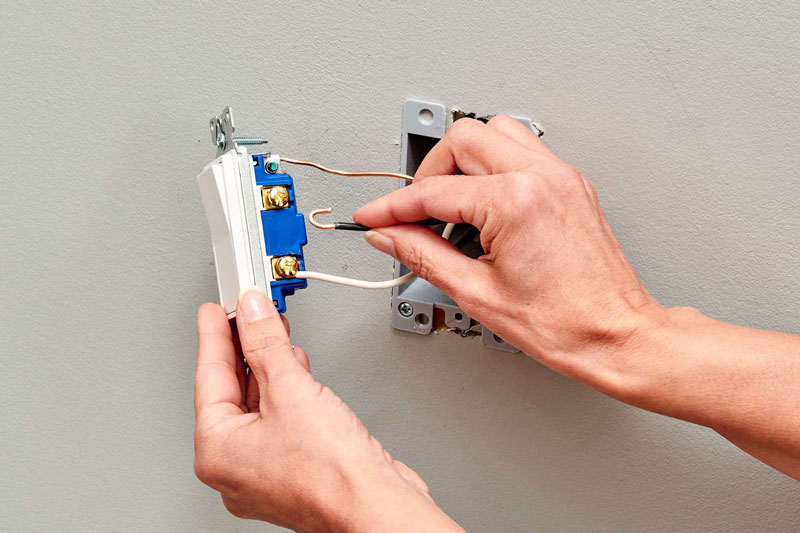
how to connect wire to screw terminal block
🧰 What You’ll Need
Wire stripper
Flathead or Phillips screwdriver (depending on terminal type)
Solid or stranded wire (usually 14–26 AWG, depending on the block)
Ferrules (optional, for stranded wire)
Multimeter (for testing)
✅ Step-by-Step: How to Connect a Wire to a Screw Terminal Block
1. Turn Off Power
Always disconnect the power source before working on any electrical connection.
2. Strip the Wire
Use a wire stripper to remove about 6–8 mm (¼ to ⅓ inch) of insulation from the wire.
Be careful not to nick or damage the metal strands, especially with stranded wire.
3. Prepare the Wire
For Solid Wire:
You can insert it directly after stripping.
For Stranded Wire:
You have two options:
Twist the strands tightly and insert as-is.
(Recommended): Use ferrules (crimped metal sleeves) to keep strands together and improve connection durability.
4. Insert the Wire Into the Terminal
Open the screw terminal by loosening the screw slightly (do not remove it completely).
Push the stripped part of the wire fully into the metal slot or clamp area.
Ensure no bare wire is exposed outside the terminal.
5. Tighten the Screw
Use the appropriate screwdriver to tighten the screw firmly but not excessively.
Over-tightening can strip the threads or damage the wire.
Tug the wire gently to confirm it's secure.
6. Test the Connection
If possible, use a multimeter to test for continuity and ensure proper contact.
Check that there’s no short circuit with adjacent terminals.
💡 Pro Tips
Use ferrules for stranded wire when possible—it improves safety and avoids fraying.
If the terminal block is labeled (L/N/PE or +/–), double-check wire placement.
Keep wires organized and avoid overlapping insulation under the screw.
❌ Common Mistakes to Avoid
Leaving loose strands or not tightening the screw enough
Over-stripping insulation and exposing too much bare wire
Not turning off power before connecting
Using wire that's too large or too small for the terminal size
🔌 When Is a Screw Terminal Block Used?
You’ll find these in:
Power supplies and control panels
Thermostats and HVAC systems
DIN rail-mounted electrical systems
Electronics prototyping
Light fixtures or switches
✅ Conclusion
Connecting a wire to a screw terminal block is simple but requires attention to detail for a safe, strong connection. Whether using solid or stranded wire, take your time to strip, insert, and tighten properly—and always check your work before powering up.

1 comment
Zoritoler imol 09/06/2025
As I web site possessor I believe the content matter here is rattling fantastic , appreciate it for your hard work. You should keep it up forever! Best of luck.