Metal-Clad (MC) cable is widely used in residential and commercial wiring due to its durability and protection. However, cutting and stripping it properly can be tricky without the right tools or techniques. This guide walks you through everything you need to know—from tool selection to cutting techniques—so you can work safer and smarter.
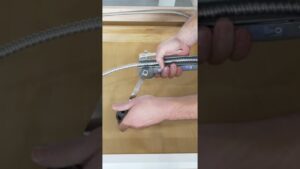
how to cut metal clad cable
🔍 Why This Matters
Many homeowners and electricians search for:
How to cut MC wire cleanly
Best tool to cut metal-clad cable
How to avoid damaging the conductors
Alternatives when you don’t have a specialty cutter
Let’s break it down step-by-step.
🛑 Step 1: Safety First
Before doing anything:
Turn off power at the breaker
Verify the circuit is dead with a non-contact voltage tester
Wear protective gloves and safety glasses
Tip: Even low-voltage circuits can cause injury. Always test before you touch.
🧰 Step 2: Choose the Right Tool
The tool you choose depends on your frequency of use and cable type.
| Tool Type | Use Case | Pros |
|---|---|---|
| MC Cable Cutter (Roto-Split) | For clean cuts on standard MC/BX cable | Safe, fast, designed specifically for MC |
| High-leverage Cable Cutters | For cutting through armor and wires | Precise, ergonomic, reusable |
| Diagonal Pliers (Dykes) | For occasional or budget use | Inexpensive, but less precise |
| Angle Grinder or Rotary Tool | For cutting thicker or steel armored cable | Powerful, good for SWA or large-diameter MC |
Recommendation: For most home and light commercial use, a Roto-Split tool or Klein-style cable cutter is the safest and cleanest option.
✂️ Step 3: How to Cut MC Cable – Step-by-Step
Measure and mark the cut location using a marker or tape.
Secure the cable—place it on a workbench or use a clamp.
Score the outer sheath using a rotary-style stripper (or carefully with a hacksaw if no stripper is available).
Bend the cable slightly to open the scored seam.
Remove the armor using pliers or by twisting it off.
Cut the internal wires with cable cutters one by one.
Smooth the edges with a metal file and insert an anti-short bushing if needed.
⚠️ Common Mistakes to Avoid
Using a hacksaw without stabilizing the cable can cause jagged cuts and conductor damage.
Cutting too deep may nick or damage insulation inside.
Skipping edge cleanup may lead to wire chafing over time.
Not using anti-short bushings increases the risk of grounding issues or short circuits.
🧠 Pro Tips from the Field
Clamp first, cut second — stability improves precision.
Mark your cable at the desired length and score lightly.
File sharp edges after cutting to avoid future wear on insulation.
If you don’t have a proper cutter, use pliers and the 'bend-pop' method: bend the cable to weaken the armor, then snap it off carefully.
🧾 Quick Tool Comparison Table
| Situation | Recommended Tool |
|---|---|
| DIY or occasional use | Diagonal pliers (heavy-duty) |
| Regular use or pro electricians | MC Roto-Split cutter |
| Thick steel armor or outdoor MC | Angle grinder or rotary tool |
| Cleanest interior wire cuts | High-leverage cable cutters |
📦 Tool Buying Tips (No Links Required)
If you're shopping for tools, look for:
Roto-Split MC Cable Cutter – Specifically designed for metal-clad sheathing
Klein Tools 1104 or 63050 – Reliable high-leverage cable cutters
Knipex forged diagonal cutters – A favorite among electricians for tight spaces
Check your local hardware store, electrician supply shop, or major retailers like Home Depot, Lowe’s, or Amazon.
✅ Conclusion
Cutting metal-clad (MC) cable doesn’t have to be difficult or dangerous. With the right approach:
You’ll protect the inner conductors
Make faster, cleaner installations
Avoid safety hazards from frayed sheathing
Whether you're a weekend DIYer or a working electrician, following these steps helps you get the job done right.