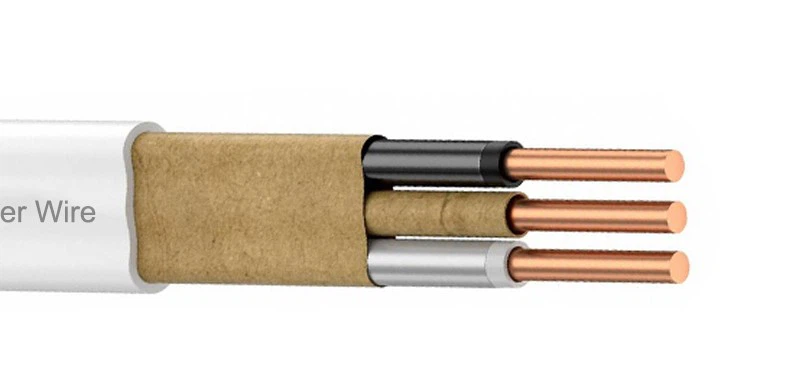
What Does NM-B Stand For? Understanding NM-B Wire and Romex Cable
NM-B stands for Non-Metallic sheathed cable, type B, where the B indicates the cable is rated for 90°C in dry locations. This designation identifies the most common electrical cable used in residential wiring—what most people call Romex a brand name that has become synonymous with NM-B cable.
Read more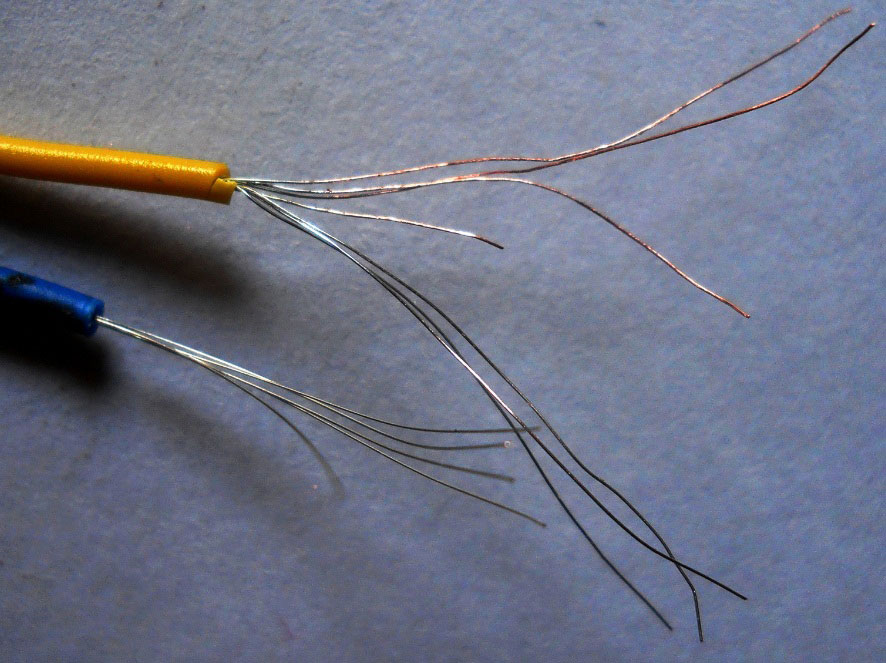
Can copper wire be silver in color?
es — copper wire can be silver in color, and this often confuses people. A silver-colored wire does not automatically mean it’s aluminum. Here are the most common reasons copper wire appears silver:
Read more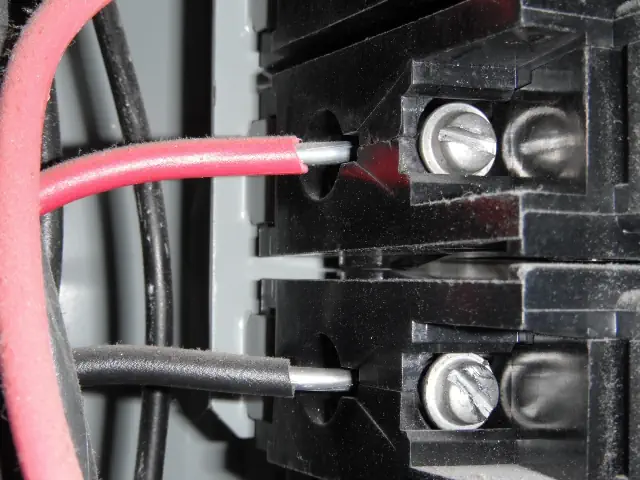
What years was aluminum wiring used in houses?
Aluminum wiring was commonly used in houses between the mid-1960s and the late 1970s.
Read more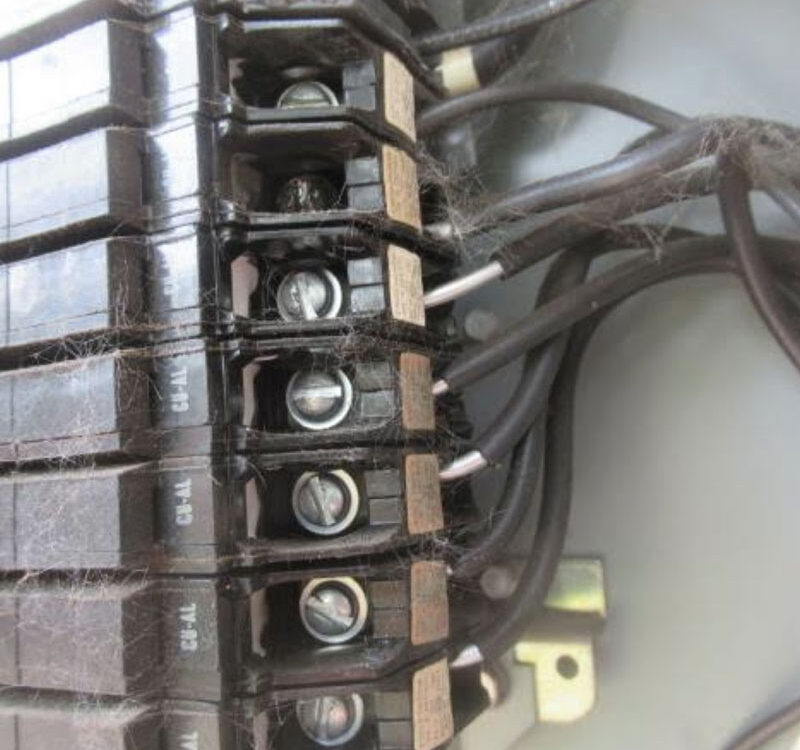
What Is the Cost to Replace Aluminum Wiring?
Replacing aluminum wiring can be a significant investment — but given the safety risks associated with older aluminum circuits, it’s often well worth the cost. Below is a detailed overview of what drives the cost, typical price ranges, and factors that influence the final bill.
Read more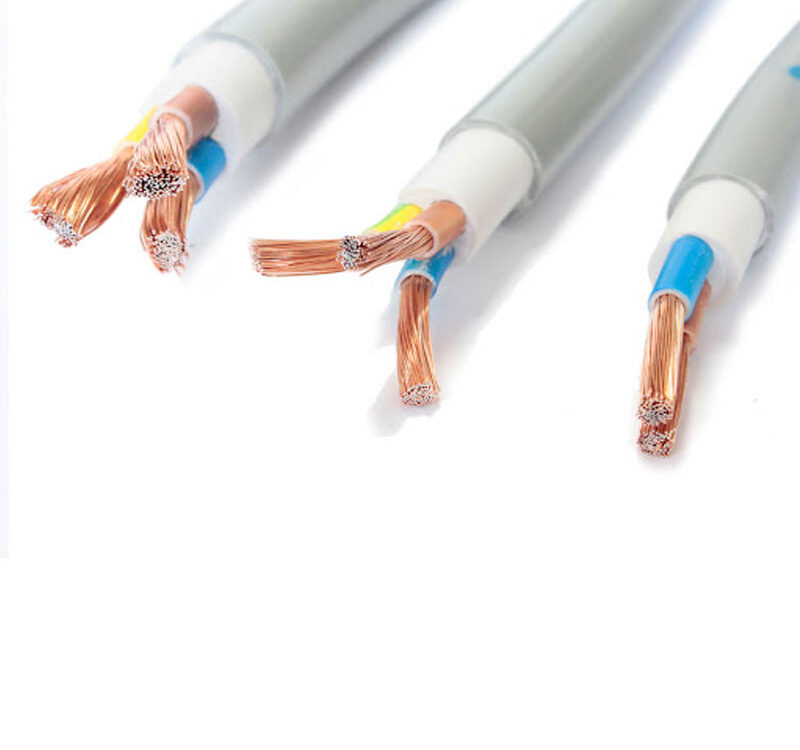
What type of cable is recommended for underneath floating docks in commercial marinas
For underwater or below-floating-dock installations in commercial marinas, the recommended cable type must withstand continuous submersion, moisture, mechanical stress, UV exposure, and NEC marina-specific safety rules.
Read more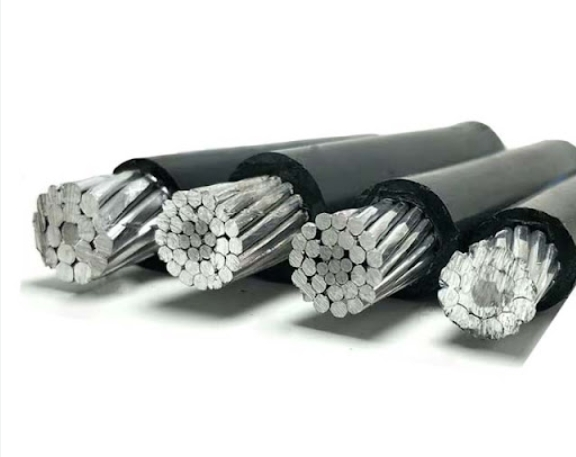
When Was Aluminum Wiring Banned? (And Is It Still Allowed Today?)
Homeowners often ask whether aluminum wiring is banned and if it is still safe to use. The truth is more nuanced: aluminum wiring was never fully banned in the United States or Canada, but certain types of older aluminum wire stopped being approved for residential branch circuits in the mid-1970s due to safety concerns.
Read more
Types of Aluminum Wire: A Complete Guide
Aluminum wire is widely used in residential, commercial, and utility applications because it is lightweight, cost-effective, and offers good conductivity. While copper remains the standard for many low-voltage circuits, aluminum wiring continues to be the preferred choice for power distribution, overhead lines, and large-gauge installations.
Read more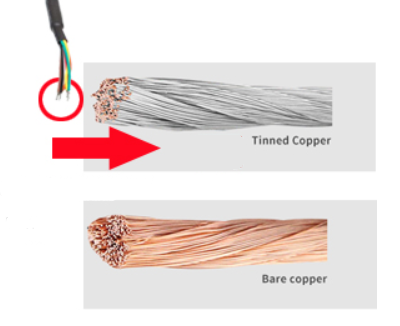
Tinned Copper vs. Bare Copper Conductivity: What’s the Real Difference?
When choosing electrical wire or cable, one of the most common questions is whether tinned copper or bare copper offers better conductivity. Both materials use the same base metal—copper—but the surface treatment affects performance in specific environments. Below is a detailed comparison to help you understand how conductivity differs and when each type is the better choice.
Read more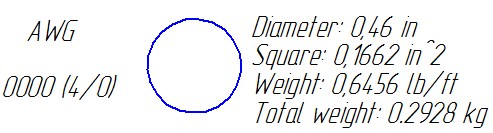
How Much Does 4/0 Copper Wire Weigh?
This guide explains how much 4/0 copper wire weighs, including bare copper, THHN/THWN-2, underground cable, and service-entrance types.
Read more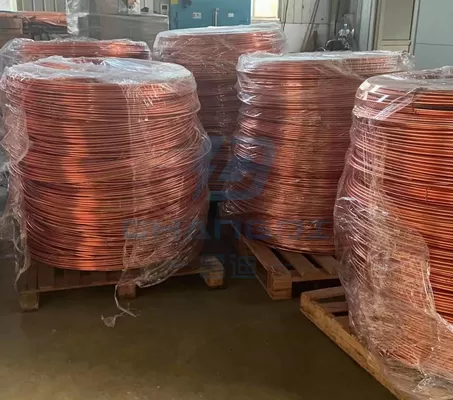
Where to Buy Copper Wires: A Complete Guide for Buyers
Whether you’re an electrical contractor, industrial buyer, or DIY enthusiast, finding the right copper wire supplier is essential for ensuring quality, performance, and value. Copper wire is one of the most widely used electrical conductors in the world, prized for its excellent conductivity, durability, and flexibility. This guide will help you understand where to buy copper wires, what to look for before purchasing, and how to choose a reliable supplier.
Read more- Low Voltage Cables – LV
- Medium Voltage Cables – MV
- High Voltage Cables-HV
- Steel Wire Armored Cable (SWA Cable)
- XLPE Insulated Power Cables
- Mineral Insulated Cable (MICC/MI Cable)
- TPS Cable
- Control Cable
- Instrumentation Cable
- Coaxial Cable
- VFD Cable
- Computer Cable
- Electrical Wire
- MC Cable
- NM-B (Non-Metallic Sheathed) Copper Wire
- UF-B Underground Feeder Cable
- MTW Wire
- Prefabricated branch cables
- 4/0 Type W Cable
- Trunk Trailer ABS Cable
- SO Cable
- LSZH Cable
- Copper Ground Rods
- Copper Clad Steel Antenna Wire
- High Temperature Wire
- EV Automotive High Voltage Silicone Rubber Cable
- Submersible Pump Wire
- Floating cable
- LC to LC Fiber Patch Cables
- Flexible Cable
- Drag Chain Cables
- Silicone Rubber Low Temperature Resistant Cable
- All-Aluminum Conductors for Overhead Power Lines
- Aerial Bundled Cable (ABC Cable)
- Aerial Insulation Line (AIL)
- Bare Stranded Conductors
- Wind Farm Cables
- Overhead Service Drop Cable
- Concentric Service Cable
- Telephone Drop Cable
- Solar PV Cable
Recent Posts