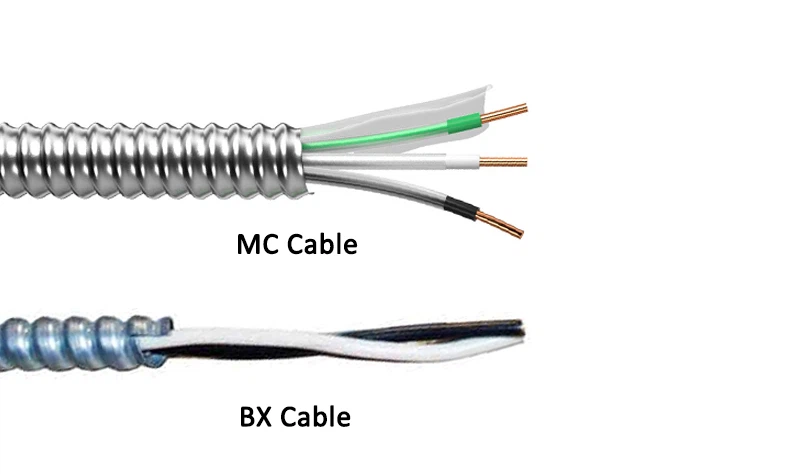
BX vs MC Cable: What’s the Difference and Which One Should You Use?
When choosing armored cable for your electrical installation, you’ll often face a common question: BX vs MC cable—what’s the difference? While these terms are sometimes used interchangeably, they refer to two distinct types of armored electrical cables with unique features, code requirements, and ideal use cases.
Read more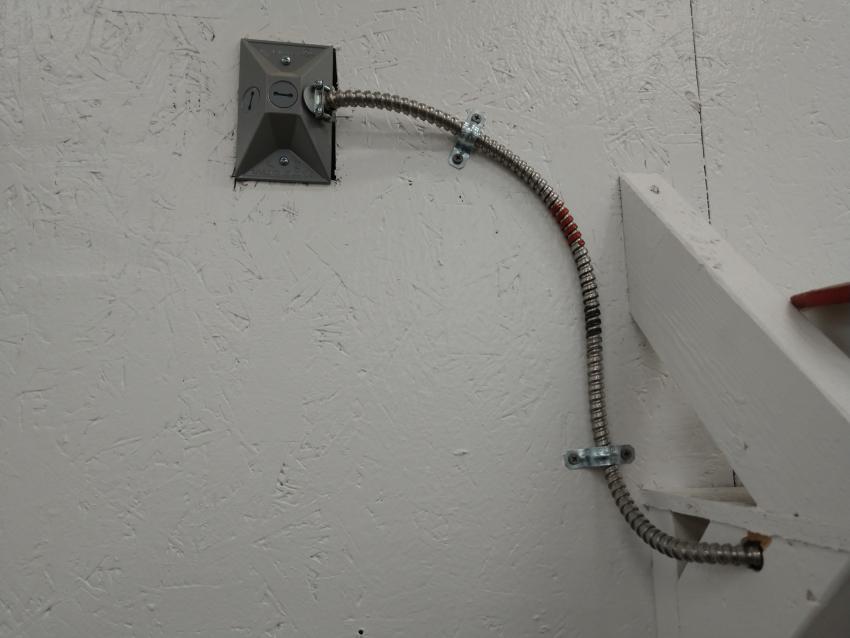
Can MC Cable Be Exposed? A Clear Guide to Installation and Code Compliance
Yes, MC (Metal-Clad) cable can be exposed—but only under specific conditions defined by the National Electrical Code (NEC). If you’ve ever wondered whether you can run MC cable across walls, ceilings, or open spaces without a conduit, this guide will explain what’s allowed, what’s not, and what to consider for a safe and code-compliant installation.
Read more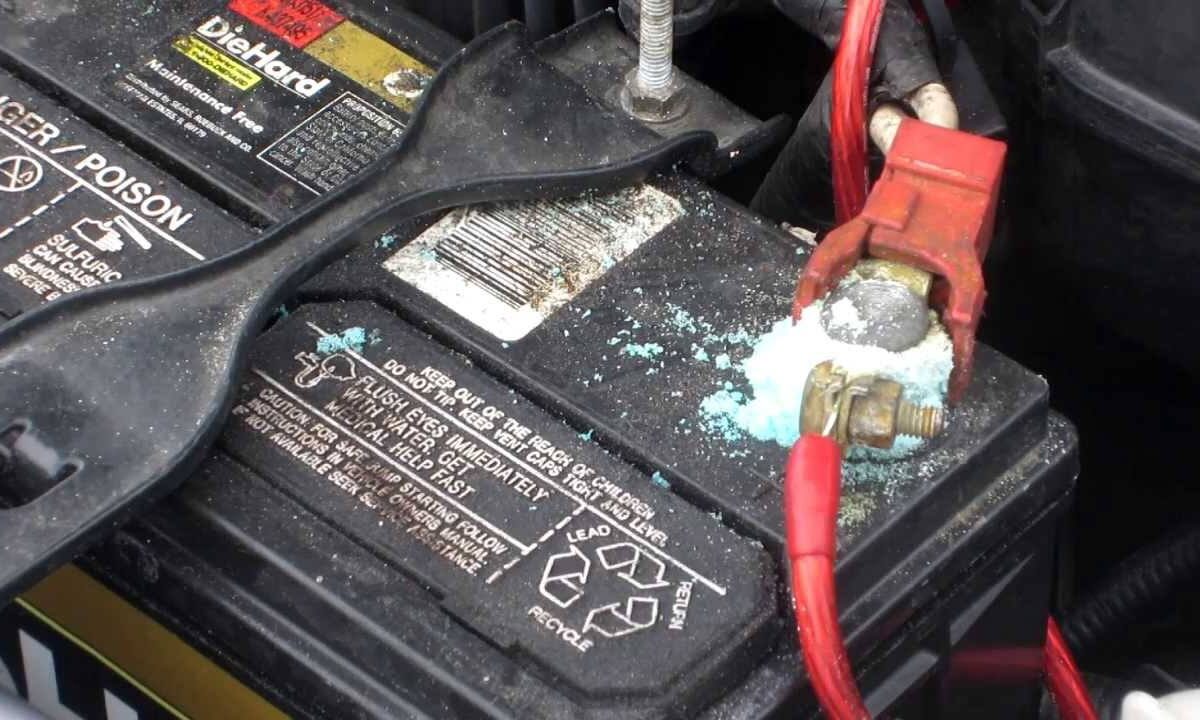
Why Do Battery Cables Corrode?
Battery cables corrode due to chemical reactions between battery acid vapors (electrolyte) and the metal terminals, especially when there's a small leak or poor connection. This corrosion appears as a white, blue, or greenish powder and can disrupt your vehicle’s electrical performance.
Read more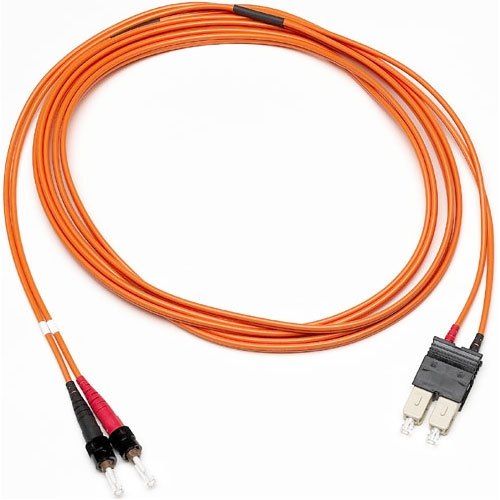
Why Are There Two Orange Cables Connected to Each Device?
Noticed two orange cables plugged into a device and wondered what they’re for? Whether you're looking at industrial equipment, data center racks, or electric vehicles (EVs), the color and quantity of cables can tell you a lot.
Read more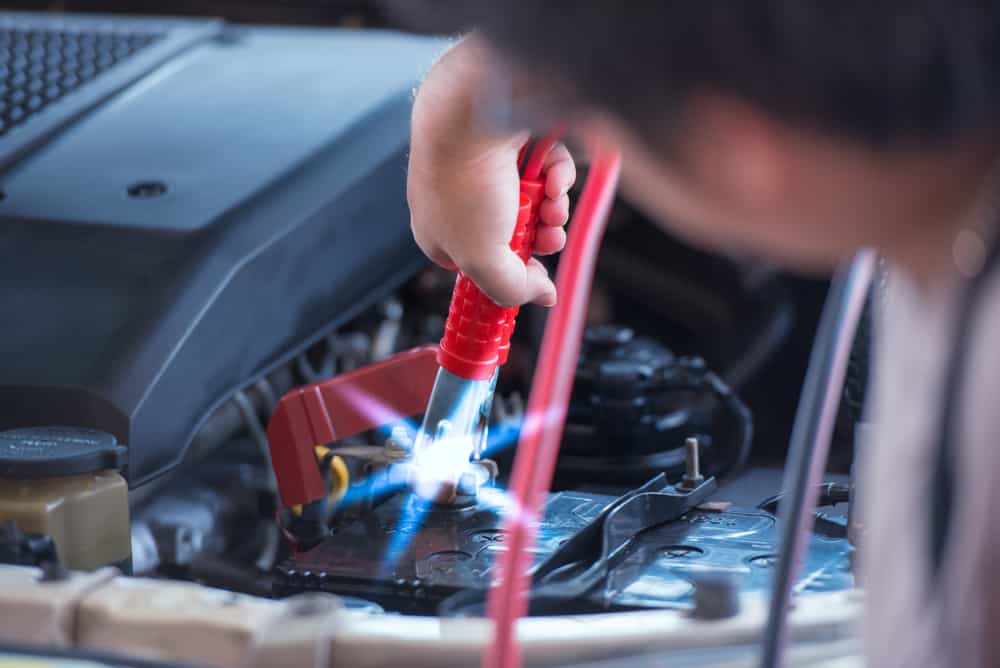
Why Does the Negative Battery Cable Spark When Connecting?
It sparks because your car's electrical system briefly draws current as soon as the battery circuit is completed. This is usually normal, especially in modern vehicles with many onboard electronics. However, strong or frequent sparks could indicate an electrical issue that requires further diagnosis.
Read more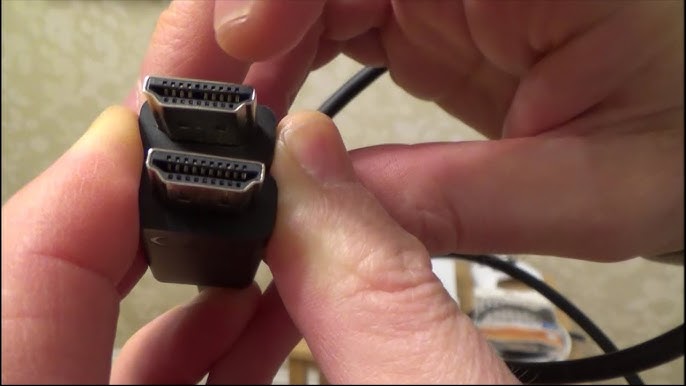
Why HDMI Cable Not Working? Common Causes and Quick Fixes
Plugged in your HDMI cable, but nothing is showing up on screen? You’re not alone. Thousands of people search every month: “why HDMI cable not working?”—and the good news is, there are several simple reasons and even simpler solutions.
Read more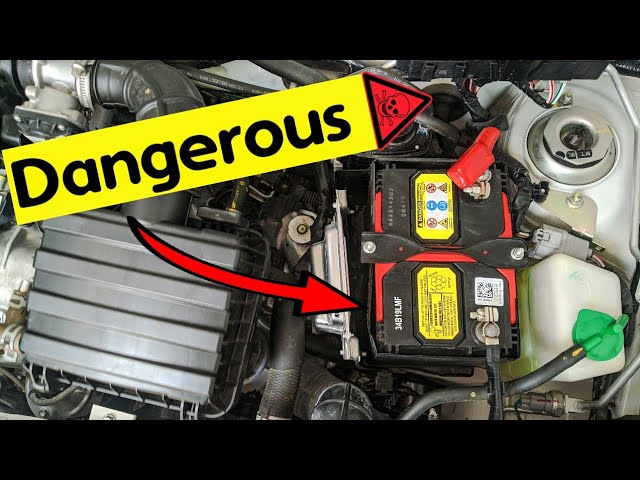
Why Are Negative Battery Cables Removed First? The Safety-First Guide for Car Battery Maintenance
When disconnecting a car battery, mechanics and automotive experts always stress one rule: “Remove the negative cable first.” But why? If you've ever asked, “Why are negative battery cables removed first?”, this guide will explain the reason in simple terms—and why doing it wrong can be dangerous.
Read more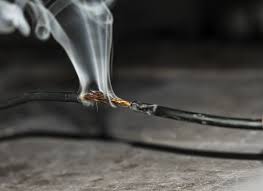
Why Are My Jumper Cables Smoking? Warning Signs, Causes, and What to Do Immediately
Jumper cables smoke because they're either handling an excessive current or the connections are bad, leading to overheating. This can occur due to a few reasons: connecting the cables backward, a short circuit in the dead battery, or a major short to ground in the car's electrical system.
Read more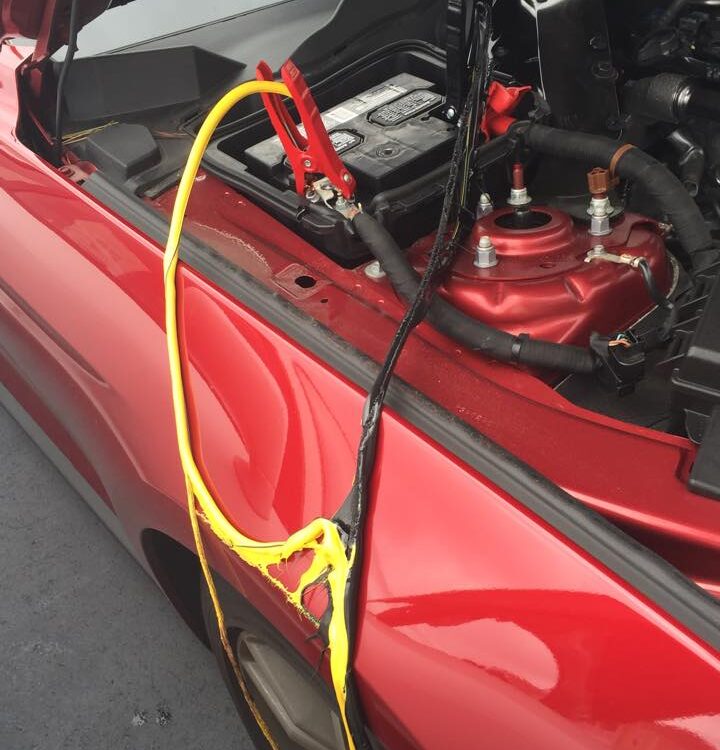
Why Did My Jumper Cables Melt? Common Causes and How to Prevent It
If you’ve ever asked yourself, “why did my jumper cables melt?”, you're not alone. Jumper cables are essential emergency tools, but when used incorrectly, they can overheat, smoke, or even melt—posing serious safety risks. This article explores the most common reasons jumper cables melt, how to avoid this dangerous situation, and what you should do if it happens.
Read more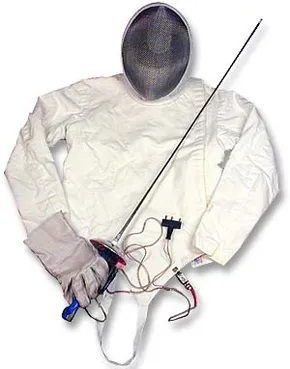
Why Do Fencers Have a Cable Attached? Understanding the Role of the Body Cord in Modern Fencing
If you've ever watched a fencing match or seen fencers preparing for a bout, you may have wondered: why do fencers have a cable attached to them? That seemingly simple wire plays a crucial role in how the sport is practiced and judged today. In this article, we'll dive deep into the purpose of this cable—commonly known as a body cord—and why it's essential in competitive fencing.
Read more- Low Voltage Cables – LV
- Medium Voltage Cables – MV
- High Voltage Cables-HV
- Steel Wire Armored Cable (SWA Cable)
- XLPE Insulated Power Cables
- Mineral Insulated Cable (MICC/MI Cable)
- TPS Cable
- Control Cable
- Instrumentation Cable
- Coaxial Cable
- VFD Cable
- Computer Cable
- Electrical Wire
- MC Cable
- NM-B (Non-Metallic Sheathed) Copper Wire
- UF-B Underground Feeder Cable
- MTW Wire
- Prefabricated branch cables
- 4/0 Type W Cable
- Trunk Trailer ABS Cable
- SO Cable
- LSZH Cable
- Copper Ground Rods
- Copper Clad Steel Antenna Wire
- High Temperature Wire
- EV Automotive High Voltage Silicone Rubber Cable
- Submersible Pump Wire
- Floating cable
- LC to LC Fiber Patch Cables
- Flexible Cable
- Drag Chain Cables
- Silicone Rubber Low Temperature Resistant Cable
- All-Aluminum Conductors for Overhead Power Lines
- Aerial Bundled Cable (ABC Cable)
- Aerial Insulation Line (AIL)
- Bare Stranded Conductors
- Wind Farm Cables
- Overhead Service Drop Cable
- Concentric Service Cable
- Telephone Drop Cable
- Solar PV Cable
Recent Posts