Metal-Clad (MC) cable is a popular choice for residential, commercial, and industrial wiring because it combines flexibility, protection, and code compliance. But did you know there are multiple types of MC cable, each designed for specific applications? This guide will break down the main MC cable types, their construction, and where to use them.
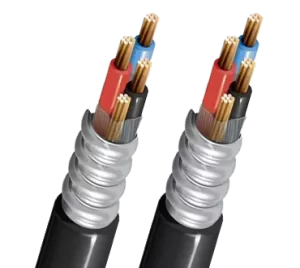
types of mc cable
What is MC Cable? (Quick Recap)
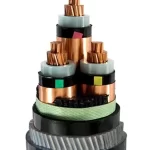
MC cable stands for Metal-Clad cable, which consists of:
Insulated conductors (typically THHN/THWN)
Grounding conductor
Interlocking aluminum or steel armor for mechanical protection
Sometimes an additional PVC jacket for moisture or outdoor protection
MC cables meet UL 1569 standards and are widely approved under the NEC (National Electrical Code) for exposed or concealed installations.
Main Types of MC Cable
1. Standard MC Cable
Construction: Copper or aluminum conductors, THHN/THWN insulation, aluminum armor.
Applications: General branch circuits, feeders in commercial and residential buildings.
Locations: Dry locations only (unless otherwise marked).
2. MC Lite
Lightweight version of standard MC cable.
Uses aluminum armor instead of steel for easier handling.
Common in residential and light commercial installations.
3. MC PVC Jacketed Cable
Adds a PVC outer jacket over the metal armor.
Purpose: Protection against moisture, corrosion, and outdoor conditions.
Applications: Direct burial, wet locations, outdoor runs.
4. MC-HCF (Health Care Facility) Cable
Stands for Health Care Facility cable.
Includes an insulated green grounding conductor plus redundant grounding paths for medical safety.
Used in hospitals, clinics, patient care areas.
5. MC-PCS (Power, Control, and Signal) Cable
Designed for lighting control systems, especially 0-10V dimming.
Contains power conductors and low-voltage control conductors in the same armor.
Reduces the need for separate conduits for lighting control.
6. MC Corrosion-Resistant Cable
Uses stainless steel or special coatings for harsh environments.
Applications: Food processing plants, chemical facilities, outdoor marine environments.
7. Fire-Resistant MC Cable
Meets 2-hour or 3-hour fire rating requirements.
Used for emergency circuits, life-safety systems, and high-rise buildings.
Where to Use Each Type
| Type | Best For |
|---|---|
| Standard MC | General wiring in dry locations |
| MC Lite | Residential/light commercial use |
| MC PVC Jacketed | Wet/outdoor or direct burial |
| MC-HCF | Hospitals, healthcare facilities |
| MC-PCS | Lighting control systems |
| Corrosion-Resistant | Industrial/harsh environments |
| Fire-Resistant | Emergency and fire-rated systems |
FAQs
Q: Can MC cable be buried underground?
Yes, only if it has a PVC jacket and is rated for direct burial.
Q: Can you use MC cable outdoors?
Yes, if it’s jacketed and marked for wet locations.
Q: What’s the difference between MC and BX cable?
MC cable includes a dedicated grounding conductor, while BX relies on its armor for grounding.
Conclusion
Choosing the right type of MC cable depends on your application—whether it’s a simple branch circuit, a hospital installation, or an outdoor run. Understanding the differences ensures safety, compliance, and long-lasting performance.
✅ Looking for high-quality MC cable?
We supply UL-listed MC cables in various types and sizes for residential, commercial, and industrial projects.
👉 Contact us today for bulk pricing!