If you’ve ever opened an outlet box or watched an electrician work inside a wall, you’ve probably seen a bundle of wires wrapped in a soft plastic jacket. That is non-metallic wire, also commonly known as NM cable or Romex®. It’s the most common type of wiring used in modern homes — but many homeowners aren’t sure what it actually does.
This guide breaks everything down in simple, easy-to-understand language so you’ll know exactly what NM cable is, where it’s used, and where it shouldn’t be used.
What Exactly Is Non-Metallic Wire?
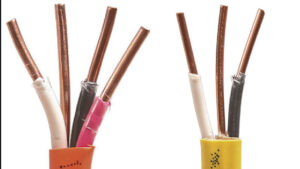
what is non metallic sheathed cable
Despite the name, non-metallic wire is not a single wire.
It’s actually a bundle of wires inside a flexible outer jacket.
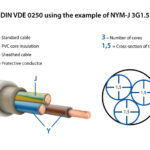
An NM cable typically contains:
One or two insulated “hot” wires (usually black or red)
One insulated neutral wire (white)
One bare copper grounding wire
The outside is covered with a non-metallic PVC sheath, which is why it’s called “non-metallic.”
Most homeowners know this cable by its brand name: Romex.
Where Is Non-Metallic Sheathed Cable Used?
If you live in a wood-frame house, chances are your home is full of NM cable. It’s designed specifically for dry, indoor residential wiring.
Here are the most common places you’ll find it:
1. Standard household circuits
NM cable powers:
Outlets
Lights and switches
Ceiling fans
Bathroom exhaust fans
Small appliances
For example:
NM-B 14/2 is used for 15-amp lighting circuits
NM-B 12/2 is used for 20-amp general-purpose circuits
2. Inside walls, ceilings, and attics
Electricians run NM cable through:
Studs
Floor joists
Attic spaces
Crawl spaces
As long as the area is dry and not exposed to physical damage.
3. Many indoor appliances
Such as:
Dishwashers
Garbage disposals
Water heaters (in some cases)
Furnaces
Home HVAC components
Where NM Cable Should Not Be Used
NM cable is great, but it’s not suitable for every environment.
Building codes strictly forbid NM cable in the following locations:
❌ Outdoors
❌ Underground (even inside conduit)
❌ Wet or damp areas (garages, unfinished basements, exterior walls in some climates)
❌ Exposed or high-risk areas where it can be damaged
❌ Commercial buildings with open wiring
For these environments, electricians use:
UF-B cable for underground or outdoor use
MC cable for exposed indoor areas
THHN wire in conduit for commercial or wet locations
Why Do Electricians Use NM Cable?
Homeowners love it because it keeps costs down.
Electricians love it because it’s easy to work with.
Advantages include:
Flexible and easy to pull through framing
Requires no metal conduit
Quick installation
Lower material and labor cost
Safe and code-approved for indoor residential use
Different Types of NM Cable
There are two main types you’ll encounter:
NM-B (most common)
Used for almost all indoor home wiring
Heat-rated to 90°C
Lightweight and easy to handle
UF-B (often confused with NM)
Can be buried underground
Fully sealed for moisture resistance
Much tougher than NM-B
If you’re wiring anything outdoors — a shed, a pump, landscape lighting — UF-B is the correct choice, not NM-B.
In Simple Terms…
If you live in a house, non-metallic wire is probably running through all your walls. It’s safe, affordable, and perfect for indoor, dry-location electrical circuits. Just remember:
NM cable = indoor only
UF-B cable = outdoor/underground
MC cable = exposed areas or commercial use