
If you're in the world of electrical engineering, construction, or power infrastructure, you've likely heard of XLPE cables. But what exactly is an XLPE cable, and what makes it the go-to solution for modern power applications? This comprehensive guide will break down the technology, benefits, and common uses of these essential components, explaining why they've become the gold standard in power transmission.
What is XLPE: Complete Guide to Cross-Linked Polyethylene in Cable Applications
What is an XLPE Cable? Unpacking the Core Technology
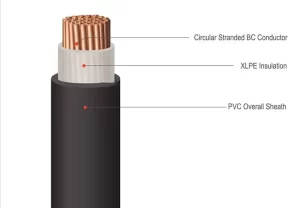
An XLPE cable is an electrical cable insulated with Cross-Linked Polyethylene (XLPE). The key to its superior performance lies in the “cross-linking” process. This is a chemical or physical treatment that transforms the molecular structure of standard polyethylene from a linear chain into a robust, three-dimensional network.
Think of it like this: a regular polyethylene molecule is like a single strand of yarn. Cross-linking weaves those strands into a dense, strong fabric. This change fundamentally alters the material's properties, turning a common thermoplastic into a highly durable thermoset polymer.
This unique process gives XLPE cables a set of key characteristics that outperform traditional insulation materials like PVC (Polyvinyl Chloride):
The Key Advantages: Why XLPE Cables Outperform the Competition
The cross-linking process grants XLPE cables a range of benefits that make them ideal for demanding applications.
- Exceptional Thermal Performance: With a continuous operating temperature of up to 90°C and a short-circuit rating of 250°C, XLPE can handle higher current loads and withstand extreme thermal events without melting. This means greater power transmission capacity and enhanced safety.
- Superior Dielectric Strength: XLPE has a low dielectric constant and a very low loss tangent, which means it wastes less energy as heat during power transmission. This makes it incredibly efficient, especially for high-voltage (HV) and extra-high-voltage (EHV) applications.
- Rugged Durability: The cross-linked structure provides excellent resistance to water, chemicals, and abrasion. This allows XLPE cables to withstand harsh environmental conditions, significantly extending their service life compared to other cable types.
- Lighter and More Compact: Compared to older paper-insulated lead-sheathed cables, XLPE cables are lighter and have a smaller diameter for the same current rating. This makes them easier to handle, transport, and install, saving time and money.
XLPE Cable Applications: Where is XLPE Used?
Thanks to its robust performance, XLPE cable is the material of choice for a wide range of critical applications.
- Power Distribution and Transmission: XLPE cables are used extensively in underground and overhead power distribution networks, especially for medium- and high-voltage systems (up to 132kV and beyond). Their low dielectric loss and high durability make them perfect for delivering power over long distances with minimal waste.
- Industrial and Harsh Environments: In places like chemical plants, oil refineries, and mining operations, XLPE cables are essential. Their excellent resistance to heat, oil, and corrosive chemicals ensures reliable power even under the most challenging conditions.
- Renewable Energy Projects: XLPE's longevity and resistance to environmental factors make it a staple in solar farms, wind turbines, and energy storage systems. It reliably connects power from renewable sources to the grid, ensuring long-term efficiency and safety.
- Submarine and Buried Cable Systems: With exceptional resistance to water and pressure, XLPE cables are a popular choice for underwater cable installations and direct-burial applications, where moisture ingress would degrade other insulation materials.
Conclusion: The Future of Power is Cross-Linked
So, what is an XLPE cable? It is a power cable insulated with cross-linked polyethylene, offering superior performance in heat, moisture, and mechanical resistance. And what is XLPE cable used for? It’s a versatile and reliable solution for a vast array of demanding applications—from powering cities to connecting renewable energy sources.
For any project where high performance, long-term reliability, and safety are non-negotiable, choosing an XLPE-insulated cable isn't just a good decision—it's the industry standard.


