
In chemical plants and industrial environments where corrosive substances, high temperatures, moisture, and mechanical stress are common, selecting the right cable is critical for both safety and performance. The wrong cable can lead to premature failure, system downtime, or even serious safety hazards.
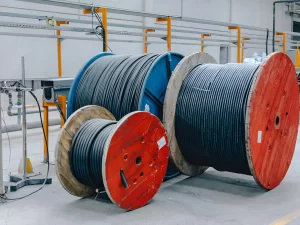
which cable is most suitable for chemical industries
So—which cable is most suitable for chemical industries?
Let’s break it down by performance needs, materials, and real-world applications.
⚠️ Challenges in Chemical Industry Environments
Cables used in chemical industries must resist:
-
Chemical exposure (acids, alkalis, solvents, oils)
-
High temperatures
-
Mechanical abrasion
-
Moisture, UV, and weathering
-
Flame and smoke hazards
-
Hazardous zones (ATEX/IECEx classified)
✅ Best Cable Types for Chemical Environments
1. PTFE (Teflon) Insulated Cables
Why: Teflon (PTFE) has excellent chemical resistance, high-temperature stability (up to 260°C), and is non-flammable.
Applications: Control systems, instrumentation, high-temperature areas, chemical dosing lines.
Pros:
-
Withstands acids, alkalis, solvents
-
High dielectric strength
-
Excellent thermal and chemical stability
Note: More expensive, but ideal for critical systems.
2. XLPE/PVC Armoured Power Cables
Why: XLPE (Cross-linked Polyethylene) insulation offers heat resistance, while the PVC sheath protects against oil and chemical splashes.
Applications: Power distribution to motors, panels, and pumps in chemical plants.
Pros:
-
Temperature rated up to 90°C (XLPE)
-
Mechanically strong
-
Resistant to oil and mild chemicals
Common Types: SWA (Steel Wire Armoured), AWA (Aluminium Wire Armoured)
3. PUR (Polyurethane) Jacketed Cables
Why: Highly flexible, abrasion-resistant, and resists most oils and chemicals.
Applications: Mobile machinery, cable drag chains, conveyors, robotic arms in chemical handling areas.
Pros:
-
Excellent mechanical toughness
-
Oil, chemical, and UV resistance
Note: Ideal for dynamic applications and repeated motion.
4. Silicone Rubber Cables
Why: Withstands very high temperatures and some chemical exposure.
Applications: Areas near furnaces, reactors, or high-temperature pipework.
Pros:
-
Heat resistance up to 180–200°C
-
Flexible in cold and hot conditions
Note: Not as resistant to mechanical damage or solvents.
5. LSZH (Low Smoke Zero Halogen) Cables
Why: Produce minimal toxic smoke or corrosive gases during fire—important in enclosed chemical plants.
Applications: Control and communication systems in confined indoor spaces.
Pros:
-
Halogen-free flame retardant
-
Safe for human exposure and sensitive equipment
Note: Moderate chemical resistance.
🔍 Key Selection Criteria
When choosing a cable for chemical environments, consider:
| Factor | Recommendation |
|---|---|
| Chemical Resistance | PTFE, PUR, XLPE with proper sheathing |
| High Temperature | PTFE, Silicone, XLPE |
| Mechanical Stress | PUR jacket or armoured cables (SWA/AWA) |
| Fire Safety | LSZH, PTFE |
| Indoor/Outdoor | UV-stable PVC or PUR sheath |
| Hazardous Zones | Use ATEX/IECEx certified cable systems |
🧠 Summary
There’s no one-size-fits-all answer, but the most suitable cable for chemical industries depends on your specific conditions:
| Cable Type | Best For |
|---|---|
| PTFE Insulated | Extreme chemical & temperature environments |
| XLPE/PVC Armoured | Power supply with mechanical and chemical safety |
| PUR Jacketed | Flexible cable routing and chemical splash zones |
| Silicone Rubber | High-temperature zones with low mechanical stress |
| LSZH Control Cables | Indoor areas with fire safety priorities |
Need Help Choosing a Cable?
We supply a wide range of industrial-grade chemical-resistant cables, including armoured, PTFE, PUR, and flame-retardant types. Contact us to request datasheets, pricing, or technical support.


