
If you're renovating a room or updating an old electrical setup, knowing how to connect a light switch and outlet in one combo unit can save time and space. These switch-outlet combos are commonly used in bathrooms, workshops, garages, and other utility spaces.
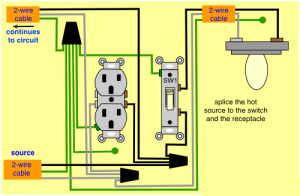
How to Wire a Light Switch and Outlet Combo
In this guide, we’ll cover common wiring methods, single- and dual-circuit options, and practical wiring diagrams. We’ll also discuss the best types of wire to use, such as THW, XLPE, or SWA cables, depending on the environment.
🔧 What Is a Switch-Outlet Combo?
A switch-outlet combo is a device that integrates a light switch and a power outlet in the same electrical box. It allows you to:
-
Control a light fixture using the switch
-
Power tools or appliances with the outlet
-
Use separate or shared power sources for each
📦 Common Use Cases
-
Bathrooms: One device controls the light and powers a hair dryer or shaver
-
Garages or Workshops: Control an overhead light and plug in power tools
-
Kitchens: Control under-cabinet lighting with a convenient nearby outlet
🧰 Materials You’ll Need
-
Switch/outlet combo device
-
Wire stripper
-
Screwdriver
-
Voltage tester
-
Wire nuts or terminal connectors
-
Proper cabling:
-
14 AWG THW or THHN for residential indoor use
-
XLPE cable for heat resistance
-
SWA cable for armored outdoor or garage installations
-
⚙️ Wiring Methods: Shared vs Separate Circuits
✅ 1. Shared Hot Wire (Single Circuit)
In this common setup, the switch and outlet share the same power source.
How it works:
-
Line (hot) wire enters the combo device
-
A jumper connects the hot terminal of the switch to the outlet
-
Neutral wire connects directly to the outlet and light fixture
-
Switch leg goes to the light fixture
📌 This method is easier to wire but doesn’t allow separate control (e.g., turning off the switch cuts power to the outlet too unless split).
✅ 2. Split Circuit (Two Power Sources)
Ideal when you want the switch and outlet to operate independently, often from two breakers or different circuits.
How it works:
-
Remove the metal tab (jumper) between hot terminals on the combo device
-
Connect one hot wire to the switch and another to the outlet
-
Neutral wires go to their respective loads
-
Ground wires connect to the device and box (if metal)
💡 Always check the device instructions to see if it's rated for split circuit wiring.
🔌 Sample Wiring Diagram Descriptions
You can wire a light switch and outlet combo in three main ways:
-
Switch Controls Light + Always-On Outlet
-
Switch Controls Outlet Only
-
Separate Switch and Outlet, Powered Independently
Need help visualizing the layout? I can provide a custom wiring diagram image on request.
⚡ Recommended Wire Types for Combo Installations
| Application | Recommended Cable | Why Use It |
|---|---|---|
| Indoor, standard load | THW or THHN 14/2 | Affordable, easy to strip |
| Long runs or high-heat areas | XLPE-insulated wire | Heat and abrasion resistance |
| Garage or outdoor switch-outlet box | SWA cable | Armored, moisture-proof |
TOT Wire & Cable offers all of these with competitive prices and dependable quality. Our XLPE and SWA cables are especially popular for switch-outlet installations in harsh environments.
🛑 Safety Reminders
-
Always turn off power at the breaker before wiring
-
Use a voltage tester to confirm wires are de-energized
-
Match the wire gauge to the circuit amperage (e.g., 14 AWG for 15A, 12 AWG for 20A)
-
Properly ground all metal boxes and devices
-
Follow local electrical codes and consult an electrician if unsure
✅ Conclusion: Practical, Space-Saving Wiring
Learning how to wire a switch outlet combo helps you reduce clutter and maximize efficiency. Whether you're using a shared hot circuit or setting up independent controls, the right materials and safe techniques make all the difference.
Looking for durable cable options?
TOT offers a wide range of:
-
XLPE cables for high-temperature or industrial settings
-
SWA armored cables for garages, outdoors, and mechanical rooms
📩 Contact TOT Wire & Cable today for technical advice or to request a quote.


