
A DB9 serial cable is a classic and widely used communication cable that connects devices using RS-232 serial communication. Though considered legacy technology by some, DB9 cables remain essential in industrial automation, networking, point-of-sale systems, and legacy computer setups.
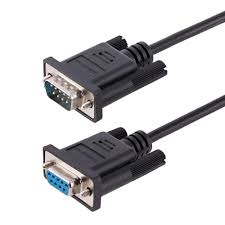
db9 serial cable
In this article, we’ll cover what a DB9 serial cable is, how it works, common applications, pin configuration, and tips for choosing the right one.
What Is a DB9 Serial Cable?
A DB9 cable, also known as a 9-pin serial cable or RS-232 cable, is a type of data transmission cable that uses the D-subminiature (D-sub) connector with 9 pins.
It was originally used to connect PCs to external modems, but it is still widely used today in:
-
Industrial control systems (PLC programming)
-
Point-of-sale (POS) terminals
-
Serial console access (network equipment)
-
Barcode scanners, GPS modules, CNC machines
DB9 Cable Features
-
Connector Type: D-sub 9-pin male or female
-
Communication Standard: RS-232 (up to 115.2 kbps)
-
Cable Type: Shielded, twisted-pair or straight-through
-
Pin Count: 9 (some older RS-232 cables may use DB25)
DB9 Pinout Configuration (Standard RS-232)
| Pin | Signal Name | Description |
|---|---|---|
| 1 | DCD | Data Carrier Detect |
| 2 | RXD | Receive Data |
| 3 | TXD | Transmit Data |
| 4 | DTR | Data Terminal Ready |
| 5 | GND | Signal Ground |
| 6 | DSR | Data Set Ready |
| 7 | RTS | Request to Send |
| 8 | CTS | Clear to Send |
| 9 | RI | Ring Indicator |
Note: In null modem configurations, TXD and RXD (and other signals) are crossed between devices.
Types of DB9 Serial Cables
-
Straight-Through DB9 Cable
-
Pin-to-pin match (1-to-1, 2-to-2...)
-
Used for connecting different devices (e.g., PC to modem)
-
-
Null Modem Cable (Crossover)
-
Crosses transmit and receive lines
-
Used for connecting two similar devices (e.g., PC to PC)
-
-
DB9 to USB Serial Cable
-
Allows DB9 serial devices to connect to modern computers via USB
-
Includes a built-in USB-to-RS232 chip
-
-
DB9 Gender Changer or Adapter
-
Converts male to female or vice versa
-
Often used in tight panel setups or legacy equipment
-
Where Are DB9 Cables Used Today?
Despite the rise of USB, Ethernet, and wireless communication, DB9 serial cables are still widely used in:
-
Industrial automation and machine control
-
Networking console ports (Cisco routers, switches)
-
Scientific instruments and test equipment
-
Legacy medical and laboratory devices
-
POS systems and ATMs
They are valued for their simplicity, low cost, and reliable point-to-point communication.
How to Choose the Right DB9 Serial Cable
-
Connector type: Male-to-male, male-to-female, or female-to-female?
-
Wiring: Straight-through vs. null modem (check device manual)
-
Length: Standard lengths range from 1 ft to 50 ft or more
-
Shielding: Choose shielded cables for industrial environments
-
USB option: If your PC lacks a COM port, consider a DB9 to USB adapter cable
Final Thoughts
The DB9 serial cable may be old-school, but it’s far from obsolete. For industries that depend on reliable, low-latency serial communication, it's still an indispensable tool. Whether you're interfacing with legacy equipment or configuring routers and switches, having the right DB9 cable can make your setup seamless and stable.
Looking for Reliable DB9 Serial Cables?
At TOT Wire & Cable, we offer durable and high-performance DB9 serial cables, including:
-
Straight-through and crossover (null modem) versions
-
Male/Female combinations
-
DB9 to USB adapter cables
-
Custom lengths and bulk orders available
👉 Contact us for technical support or to request a quote.


