
As electric vehicles (EVs) continue to grow in popularity, many drivers encounter a common challenge: their charging cable isn’t quite long enough. Whether your home charger is mounted far from your driveway or you're charging at a public station with tight spacing, an EV charging extension cable can be a practical solution.
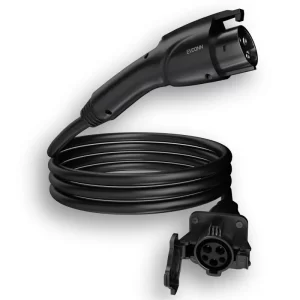
EV Charging Extension Cable
But not all extension cables are created equal—and using the wrong one can pose serious risks. In this article, we’ll break down what an EV charging extension cable is, when to use it, key safety factors, and how to choose the right one.
🔌 What Is an EV Charging Extension Cable?
An EV charging extension cable is a high-capacity cable designed to extend the distance between your EV and your power source—whether it’s a home wall box, Level 1 outlet, or a public charger. These cables are typically compatible with Type 1 (SAE J1772) or Type 2 (IEC 62196) connectors and come in lengths ranging from 5 to 30 feet (1.5 to 10 meters).
⚠️ Note: Not all EV charging stations support the use of extension cables. Always check your charger’s guidelines.
🚗 Common Use Cases
-
Driveways with limited charger placement
-
Tight parking spots at public charging stations
-
Charging across sidewalks or around obstacles
-
Multiple EVs sharing a single home charger
🔧 Key Features to Look For
1. Connector Type Compatibility
Ensure the extension cable matches your EV’s charging port:
-
Type 1 (SAE J1772) – Common in North America
-
Type 2 (IEC 62196) – Common in Europe
-
Tesla drivers may need an adapter.
2. Amp and Voltage Rating
-
Choose a cable that matches your charger output (e.g. 16A, 32A, 40A, or 48A).
-
Most Level 2 chargers operate at 240V.
3. Cable Length
-
Available in 16ft, 20ft, 25ft, and 30ft options
-
Longer cables offer more flexibility but may introduce voltage drop
4. Weatherproof Design
Look for IP65 or higher rating, suitable for rain, snow, or dust.
Durable rubber insulation is key for outdoor use.
5. Heavy-Duty Materials
-
Pure copper conductors for better conductivity
-
Thick insulation to withstand frequent coiling/uncoiling
-
Flame-retardant and UV-resistant jacket
⚠️ Safety Considerations
While extension cables are convenient, improper use can lead to:
-
Overheating and fire hazards
-
Reduced charging speed due to voltage drop
-
Warranty void if not approved by the charger manufacturer
✅ Tips for Safe Use:
-
Never daisy-chain multiple extension cables
-
Use certified EV-specific cables only (not general power cords)
-
Avoid placing the cable under garage doors or high-traffic areas without a cable protector
🛍️ Where to Buy EV Charging Extension Cables
Look for reputable brands that meet UL, CE, or TUV safety certifications. Some popular options include:
-
16A or 32A J1772 extension cables for Level 1/2
-
Type 2 extension cables with locking connectors
-
Custom-length cables with heavy-duty waterproof casing
💡 Bonus: Consider adding a retractable reel or wall hook for cable management.
🔚 Conclusion
An EV charging extension cable can offer much-needed flexibility when standard cords fall short. However, safety and compatibility should be your top priorities. Invest in a high-quality, certified cable that suits your EV and charging needs, and always follow best practices during use.


