
Connecting wires is a fundamental task in electrical work, whether you’re wiring an outlet, installing a speaker, fixing a bike light, or building a DIY electronics project. Knowing the right way to connect a wire is essential for safety, durability, and performance.
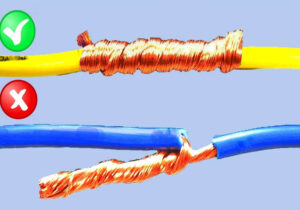
how to connect a wire
In this article, we’ll walk you through the best techniques, tools, and troubleshooting tips to make safe, professional-grade wire connections.
🧠 Why People Search “How to Connect a Wire”
Primary intent:
-
Learn safe and proper wire connection techniques for home, car, or DIY use.
Secondary intent:
-
Understand which tools and connectors are best for the job.
-
Troubleshoot poor connections (e.g., heating, shorts, signal loss).
-
Find alternatives to soldering or wire nuts.
🛠️ What You’ll Need
| Method | Tools & Materials | Best For |
|---|---|---|
| Twist + Wire Nut | Wire stripper, wire nuts | Household electrical boxes |
| Lever Connectors | WAGO-style push-in connectors | Quick, reusable home wiring |
| Crimp Connections | Crimp terminals, crimping tool | Automotive, audio, outdoor wiring |
| Soldering | Soldering iron, solder, heat shrink tubing | PCB, electronics, audio |
| Western Union Splice | Pliers, tape or heat shrink | Strong, no-solder field joints |
⚙️ How to Connect Wires – Step-by-Step Examples
Method 1: Twist + Wire Nut (Most Common for Home Wiring)
-
Turn off power at the breaker.
-
Strip insulation about ¾ inch (1.5–2 cm).
-
Twist wire ends clockwise together.
-
Screw on a properly sized wire nut until snug.
-
Tug gently to test connection.
-
Wrap with electrical tape (optional) for added security.
✅ Ideal for joining multiple solid copper wires in junction boxes.
Method 2: WAGO Lever Connectors (Modern Alternative)
-
Lift levers.
-
Insert stripped wire ends into ports.
-
Push levers down to lock.
✅ Fast, safe, and reusable — ideal for DIYers.
Method 3: Crimp Connectors
-
Strip wires to fit terminal depth (about 6–10 mm).
-
Insert wires into butt connector or terminal.
-
Use a ratcheting crimping tool for a firm, even crimp.
-
Add heat shrink tubing or use pre-insulated connectors with heat-activated seal.
✅ Great for automotive, marine, and vibration-prone environments.
Method 4: Soldered Connection
-
Twist wire ends together.
-
Heat with a soldering iron and apply solder.
-
Let cool, then slide heat shrink over the joint and apply heat.
✅ Strong, permanent, and great for audio and electronics, but not allowed by some codes.
Method 5: Western Union Splice
-
Cross stripped wire ends in an X.
-
Wrap each end tightly around the other 3–5 times.
-
Solder (optional), then cover with heat shrink or tape.
✅ High tensile strength; used by professionals in high-stress environments.
🧪 Troubleshooting Bad Connections
| Problem | Cause | Solution |
|---|---|---|
| Connection heating | Loose contact, poor crimp | Re-crimp or switch to lever nut |
| Wires slip out | Wrong connector size, no strain relief | Match sizes; add cable ties or strain relief |
| Signal loss | Oxidized wires, weak solder joint | Use fresh wire, clean contacts |
| Moisture damage | Exposed joint, wrong insulation | Use waterproof crimps or sealant |
🎯 Use-Case Recommendations
| Scenario | Best Connection Method |
|---|---|
| Household wiring | Wire nuts or WAGO lever connectors |
| Car/ATV/motorcycle | Crimp connectors with heat shrink |
| Audio/speaker setup | Banana plugs, soldered ends |
| Outdoor lights | Waterproof crimp connectors |
| PCB and microchips | Solder + heat shrink tubing |
🔥 Expert Tips (from Reddit & Pros)
“Crimp + heat shrink is the gold standard for vibration-prone environments like motorcycles or boats.”
— r/ElectronicsRepair
“WAGO connectors are a game-changer — no twisting, safe, and reusable.”
— FamilyHandyman.com
“Western Union splices are old school but bulletproof — especially when soldered and sealed.”
— Electrician Forum
❓ FAQs
Q: Is crimping better than soldering?
A: Yes, for most power or mechanical applications. Crimping creates a gas-tight joint that doesn’t weaken over time.
Q: Can I twist wires and use tape only?
A: Not recommended. Tape alone isn’t secure or up to electrical code.
Q: Are push-in connectors safe?
A: Yes, if rated for your wire gauge and amperage. WAGO and similar types are UL-listed.
📦 Tools & Products to Consider
-
✅ WAGO Lever Connectors (for fast home wiring)
-
✅ Klein Tools Ratchet Crimper
-
✅ Heat Shrink Butt Connectors (for marine/auto use)
-
✅ Soldering Kit with Iron + Flux
-
✅ Wire Strippers for 10–22 AWG range
🧲 Final Thoughts
Connecting wires may seem simple, but doing it right ensures safety, efficiency, and long-lasting performance. Choose the best method for your scenario, use the right tools, and always double-check your work.
If you're unsure, consult an electrician — but for most small jobs, this guide should give you the knowledge and confidence to get it done correctly.


1 comment
Seo backlinks submission sites with high dr 10/18/2025
An impressive share, I simply given this onto a colleague who was doing a little bit analysis on this. And he in fact bought me breakfast as a result of I discovered it for him.. smile. So let me reword that: Thnx for the treat! But yeah Thnkx for spending the time to discuss this, I feel strongly about it and love reading extra on this topic. If doable, as you turn out to be experience, would you mind updating your weblog with more details? It is extremely helpful for me. Large thumb up for this blog put up!