
Whether you're fixing a lamp, repairing speaker wires, or dealing with damaged home wiring, learning how to connect a broken wire properly is essential for safety and functionality. This guide walks you through the most effective ways to splice and reconnect broken electrical wires—with or without soldering.
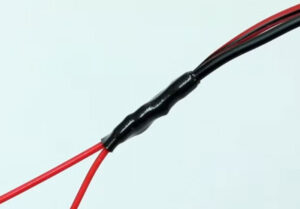
how to connect a broken wire
🧭 Why This Matters
A broken wire can lead to:
-
Electrical failure or short circuits
-
Overheating or fire risk
-
Devices or systems not functioning properly
Repairing it correctly helps restore power safely and ensures long-term durability.
🧰 Tools and Materials You May Need
Depending on your method, you might need:
-
Wire strippers
-
Utility knife
-
Electrical tape
-
Heat shrink tubing
-
Soldering iron + solder (optional but ideal)
-
Wire nuts or crimp connectors
-
Multimeter (for testing continuity)
-
Safety gloves
🔧 How to Connect a Broken Wire: 3 Common Methods
Method 1: Twist & Tape (Temporary Fix)
Use only for low-voltage or emergency situations.
Steps:
-
Strip ½ inch of insulation from each wire end.
-
Twist the exposed copper wires tightly together.
-
Wrap with electrical tape securely, covering all exposed metal.
🔺 Warning: This method is not recommended for permanent connections.
Method 2: Solder & Heat Shrink (Best for Reliability)
Steps:
-
Strip the insulation (about ½ to ¾ inch) from both ends.
-
Slide heat shrink tubing onto one side before joining.
-
Twist wires together or align them in parallel ('lineman’s splice').
-
Solder the connection using a soldering iron and rosin-core solder.
-
Slide the heat shrink tubing over the soldered joint and heat it to seal.
✅ Pros: Strong, durable, and moisture-resistant.
Method 3: Crimp Connectors or Wire Nuts (Fast & Safe)
Steps:
-
Strip the wire ends.
-
Insert wires into a crimp connector or twist into a wire nut.
-
Crimp using a crimping tool or twist the nut until secure.
-
Optionally, wrap with electrical tape for extra insulation.
💡 Ideal for household wires, speaker cables, and automotive wiring.
🔎 Bonus: How to Find a Broken Wire in a Wall
-
Use a non-contact voltage tester or tone generator and probe.
-
Look for burn marks, bulging outlets, or areas with no power.
-
If you suspect hidden damage, consult a licensed electrician.
🧪 Test the Repair
After connecting:
-
Use a multimeter to test continuity.
-
Ensure the connection doesn’t overheat during use.
-
For AC wiring, turn power back on only after double-checking insulation.
🚫 What Not to Do
-
Don’t just tape broken wires together without twisting or securing.
-
Don’t ignore damaged insulation—always repair or replace it.
-
Never attempt high-voltage or mains repairs without proper knowledge.
🧠 Common Questions
❓ Can I just tape a broken wire?
Only as a temporary fix. Long-term use requires proper splicing, soldering, or secure connectors.
❓ Is it safe to reconnect a power cord or lamp wire?
Yes—if you insulate it properly and ensure there's no exposed metal. Use heat shrink or electrical tape rated for the wire’s voltage.
❓ What if the wire keeps breaking?
It may indicate overheating, corrosion, or strain—consider replacing the entire section.
🛠️ Final Tip
If the wire is too short after stripping or damaged beyond repair, it's often safer to replace the full wire segment.


