
Grounding is an essential part of electrical safety—it protects you and your devices by giving stray electrical current a safe path to the earth. But what happens if you're replacing an outlet or light fixture and discover there's no ground wire in the box?
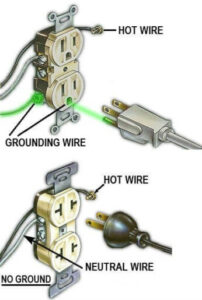
where to connect ground wire if no ground
If you’re wondering where to connect the ground wire if there is no ground, you’re not alone. Many homes built before the 1960s have ungrounded electrical systems, and it can be confusing to upgrade fixtures or outlets safely.
This guide explains your options when there's no ground, including code-compliant solutions and practical tips for DIYers and homeowners.
🔍 Why Grounding Matters
Ground wires help protect against:
-
Electrical shock
-
Fire hazards
-
Damage to appliances or electronics
Without grounding, metal fixtures and device enclosures can become 'live' if a fault occurs, putting you at risk.
🛠️ Scenario: Ground Wire but No Ground in the Box
If you're installing a modern outlet, switch, or light fixture with a green or bare copper ground wire, but the junction box has no ground connection, here’s what to do.
✅ 1. Check If the Metal Box Is Grounded
If you have a metal electrical box, there's a chance it’s grounded through the conduit (typically in older homes with metal conduit).
How to Check:
-
Turn off the breaker.
-
Use a multimeter to test for continuity between the hot wire and the metal box.
-
If the box is grounded, you can attach the ground wire from your fixture to a grounding screw inside the box.
🟢 Pro Tip: Use a green ground screw or UL-listed grounding clip designed for metal boxes.
✅ 2. Connect to a Grounded Conduit (If Present)
If your box is connected via metal conduit (EMT or BX cable), the conduit itself may act as the grounding path.
What to Do:
-
Ground your device’s ground wire to the metal box using a screw or grounding clip.
-
Ensure the conduit is continuous and securely attached back to the main panel.
✅ 3. Use a GFCI Outlet as a Code-Compliant Alternative
If there's no grounding at all (e.g., in old knob-and-tube or 2-wire Romex), the National Electrical Code (NEC) allows you to install a GFCI outlet as a safer alternative.
How It Works:
-
A GFCI (Ground Fault Circuit Interrupter) doesn't need a ground wire to detect imbalances in current.
-
It provides protection from shock even in ungrounded systems.
⚠️ Label the outlet with “No Equipment Ground” stickers (usually included in the box) to remain code-compliant.
✅ 4. Run a New Ground Wire (Best Long-Term Solution)
If safety is a concern or if you're doing a renovation, the best approach is to:
-
Install a new ground wire from the device or outlet box back to the main service panel or a grounded junction box.
-
This brings the circuit up to modern standards and provides full protection.
🔧 This option is more labor-intensive but ideal if you're opening walls or replacing old wiring anyway.
❌ What Not to Do
-
Don’t connect the ground wire to the neutral wire—this is dangerous and violates code.
-
Don’t leave bare ground wires floating in a plastic box—cap or tie them off.
-
Never assume the box is grounded unless you’ve tested it.
📌 Quick Reference Table
| Situation | Solution |
|---|---|
| Metal box with conduit | Connect ground wire to box using screw |
| Plastic box, no ground at all | Use GFCI outlet + label as 'No Equipment Ground' |
| Want full protection | Run a new ground wire to the panel |
| Upgrading light fixture | Use grounding screw if metal box is grounded |
🧰 Tools You Might Need
-
Multimeter (to test for ground)
-
Grounding screw or clip
-
GFCI outlet
-
Noalox (for aluminum connections if present)
-
Electrical tape and wire nuts
🏠 Final Thoughts
It can be alarming to discover a ground wire with nowhere to connect, but you're not without safe and legal options. Whether you're relying on existing conduit, upgrading to a GFCI outlet, or planning to run a new ground wire, each method offers a path toward a safer home.
💡 When in doubt—or if local code requires—consult a licensed electrician to ensure compliance and safety.


