
A ground wire, also known as a grounding conductor, is a vital safety feature in any electrical system. Its primary purpose is to provide a safe path for excess electrical current to flow into the earth (the 'ground') during a fault, such as a short circuit, surge, or lightning strike.
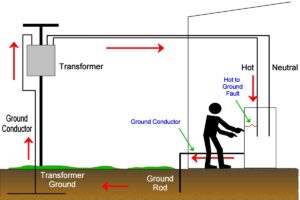
what does ground wire do
🔒 Why Is the Ground Wire Important?
The ground wire protects people, appliances, and property in the following ways:
-
Prevents Electric Shock
If a live wire accidentally touches a metal part of an appliance, the ground wire ensures the electricity flows safely into the earth — instead of through your body. -
Helps Trip Breakers Quickly
By providing a low-resistance path, it allows a large surge of current to flow, which quickly trips the breaker or blows a fuse, cutting off power before harm can occur. -
Protects Equipment
Sensitive electronics like computers, TVs, or HVAC systems are vulnerable to power surges. Grounding helps divert harmful voltages away from your devices.
⚙️ How Does a Ground Wire Work?
Here’s a simplified step-by-step:
-
Normal Conditions: The ground wire carries no current during regular operation.
-
Fault Occurs: A live wire contacts a metal surface or there's a surge.
-
Current Rerouted: The ground wire provides a direct path to earth.
-
Breaker Triggers: The sudden flow of current causes the breaker to trip or fuse to blow.
-
Power Cut: The circuit shuts off, preventing shock, fire, or damage.
🔌 Where Can You Find a Ground Wire?
-
Electrical outlets (especially 3-prong types)
-
Circuit breaker panels
-
Power cords of grounded appliances
-
Metal conduits or enclosures
-
Ground rods connected outside a home or building
Color: In most systems, the ground wire is either green, green with yellow stripes, or bare copper.
🆚 Ground Wire vs. Neutral Wire
| Feature | Ground Wire | Neutral Wire |
|---|---|---|
| Purpose | Safety path for faults | Returns current to source |
| Carries Current | Only during faults | During normal operation |
| Color Code | Green / bare | White / gray |
| Required? | Yes, in grounded systems | Yes |
🛠️ Example: Why Grounding Matters
Imagine a refrigerator has a short where a live wire touches the metal frame. If the appliance is properly grounded:
-
The electricity flows through the ground wire, not the metal frame.
-
The breaker trips immediately.
-
You can touch the fridge without danger.
If it wasn’t grounded, that metal frame could remain live with dangerous voltage — and become lethal.
📏 What the Codes Say
Grounding is not optional — it’s required by safety standards like:
-
NEC (National Electrical Code) in the U.S.
-
IEC 60364 internationally
-
BS 7671 in the UK
These codes define how ground wires should be installed and what materials can be used.
✅ In Summary
The ground wire is a silent protector — it doesn’t carry power during normal use, but when something goes wrong, it’s the key to preventing injury, fire, or damage. Whether in a home, office, or industrial setting, a proper grounding system is essential for safety.


