
Screw terminal blocks are widely used in electronics, industrial automation, HVAC systems, and household devices for their reliability and ease of use. But to ensure a safe and solid electrical connection, the wire must be attached correctly.
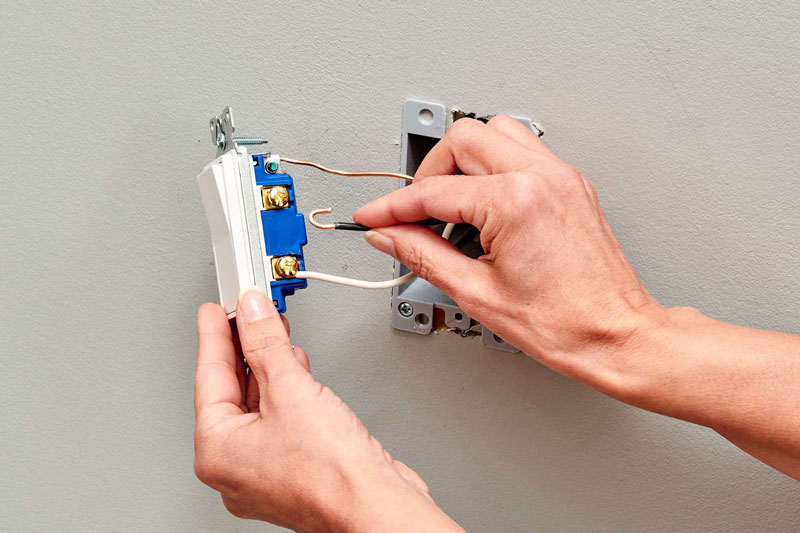
how to connect wire to screw terminal block
🧰 What You’ll Need
-
Wire stripper
-
Flathead or Phillips screwdriver (depending on terminal type)
-
Solid or stranded wire (usually 14–26 AWG, depending on the block)
-
Ferrules (optional, for stranded wire)
-
Multimeter (for testing)
✅ Step-by-Step: How to Connect a Wire to a Screw Terminal Block
1. Turn Off Power
Always disconnect the power source before working on any electrical connection.
2. Strip the Wire
-
Use a wire stripper to remove about 6–8 mm (¼ to ⅓ inch) of insulation from the wire.
-
Be careful not to nick or damage the metal strands, especially with stranded wire.
3. Prepare the Wire
For Solid Wire:
-
You can insert it directly after stripping.
For Stranded Wire:
You have two options:
-
Twist the strands tightly and insert as-is.
-
(Recommended): Use ferrules (crimped metal sleeves) to keep strands together and improve connection durability.
4. Insert the Wire Into the Terminal
-
Open the screw terminal by loosening the screw slightly (do not remove it completely).
-
Push the stripped part of the wire fully into the metal slot or clamp area.
-
Ensure no bare wire is exposed outside the terminal.
5. Tighten the Screw
-
Use the appropriate screwdriver to tighten the screw firmly but not excessively.
-
Over-tightening can strip the threads or damage the wire.
-
Tug the wire gently to confirm it's secure.
6. Test the Connection
-
If possible, use a multimeter to test for continuity and ensure proper contact.
-
Check that there’s no short circuit with adjacent terminals.
💡 Pro Tips
-
Use ferrules for stranded wire when possible—it improves safety and avoids fraying.
-
If the terminal block is labeled (L/N/PE or +/–), double-check wire placement.
-
Keep wires organized and avoid overlapping insulation under the screw.
❌ Common Mistakes to Avoid
-
Leaving loose strands or not tightening the screw enough
-
Over-stripping insulation and exposing too much bare wire
-
Not turning off power before connecting
-
Using wire that's too large or too small for the terminal size
🔌 When Is a Screw Terminal Block Used?
You’ll find these in:
-
Power supplies and control panels
-
Thermostats and HVAC systems
-
DIN rail-mounted electrical systems
-
Electronics prototyping
-
Light fixtures or switches
✅ Conclusion
Connecting a wire to a screw terminal block is simple but requires attention to detail for a safe, strong connection. Whether using solid or stranded wire, take your time to strip, insert, and tighten properly—and always check your work before powering up.


1 comment
Zoritoler imol 09/06/2025
As I web site possessor I believe the content matter here is rattling fantastic , appreciate it for your hard work. You should keep it up forever! Best of luck.