
Grounding is one of the most essential safety practices in electrical wiring. Whether you're installing a new light fixture, replacing an outlet, or setting up an appliance, connecting the ground wire correctly helps protect you and your home from electrical faults.
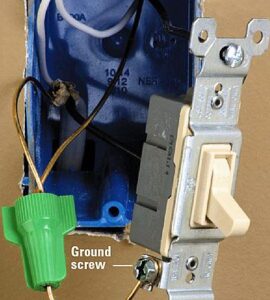
how to connect a ground wire
In this guide, you’ll learn:
-
What a ground wire is
-
Why grounding is important
-
Where to connect a ground wire
-
Step-by-step instructions for safe grounding
🔎 What Is a Ground Wire?
A ground wire (also called an earth wire) is a safety conductor that provides a low-resistance path for electricity to flow into the ground in case of a short circuit or electrical fault.
It’s typically:
-
Green or bare copper in the U.S.
-
Green/yellow striped in Europe and other regions
Ground wires are not meant to carry current under normal conditions—they're a backup safety mechanism.
⚠️ Why Grounding Is Important
Connecting a ground wire:
-
Prevents electric shock from metal surfaces during a fault
-
Helps trip circuit breakers quickly
-
Protects appliances and electronic devices
-
Reduces the risk of electrical fires
📍 Where Should the Ground Wire Be Connected?
The ground wire should always be connected to one or more of the following:
-
A grounding terminal on an outlet or device
-
A metal electrical box, if it’s grounded
-
The ground bus bar in an electrical panel
-
A grounding rod outside (for whole-house systems)
-
The green ground screw on light fixtures or appliances
🛠️ Tools and Materials You May Need
-
Wire stripper
-
Screwdriver
-
Ground wire (if missing or needs extending)
-
Grounding screw or clip
-
Wire nuts or grounding wire connectors
✅ Step-by-Step: How to Connect a Ground Wire
Scenario 1: Connecting a Ground Wire in an Outlet Box
-
Turn off the power at the circuit breaker.
-
Open the box and verify power is off using a voltage tester.
-
Locate the bare copper or green wire (from the power supply).
-
Connect the ground wire to:
-
The grounding terminal on the outlet (usually green)
-
The metal box (if it’s grounded) using a grounding screw or clip
-
-
Use a wire nut to securely join multiple ground wires, if needed.
-
Tuck the wires neatly and reassemble the outlet.
Scenario 2: Connecting a Ground Wire to a Light Fixture
-
Turn off power and confirm it’s off.
-
Identify the grounding wire from the fixture and in the ceiling box.
-
Twist the two wires together and secure with a wire nut.
-
If the ceiling box is metal, also connect the ground to the box’s ground screw.
-
Mount the fixture and test.
Scenario 3: Connecting to a Grounding Rod (Main Panel)
⚠️ Only perform this if you’re familiar with panel work or working with a licensed electrician.
-
Drive an 8-foot copper ground rod into the soil.
-
Use #6 or #4 bare copper wire as the grounding conductor.
-
Attach the wire with an acorn clamp to the rod.
-
Route the wire to the ground bus bar in your service panel.
-
Ensure all neutral and ground wires are connected correctly.
👇 Common Mistakes to Avoid
-
Not connecting the ground wire at all
-
Leaving the wire exposed without a connector
-
Using a plastic electrical box without a grounding pigtail
-
Mixing neutral and ground wires in subpanels
🧠 Final Tips
-
Always turn off power before working with electrical wiring.
-
Use a continuity tester to check ground connections.
-
In older homes, ground wires may be missing—you may need to run a new one or install GFCI outlets for safety.


