
Whether you're remodeling, troubleshooting a power issue, or just curious about your home's wiring, learning how to trace an electrical wire in a house can save time, money, and headaches. This guide explains practical methods to identify and follow wiring paths—with or without specialized tools.
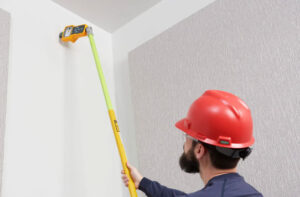
how to trace an electrical wire in a house
🔍 Why You Might Need to Trace Electrical Wires
Homeowners or electricians may need to trace wires for:
-
Locating a fault or short circuit
-
Finding where a wire leads
-
Identifying the correct breaker or fuse
-
Planning renovations or adding new outlets/switches
-
Ensuring safe drilling or nailing into walls
⚠️ Safety First
Always turn off power at the breaker panel before you begin. Use a non-contact voltage tester to confirm wires are not live.
🛠️ Tools That Make Tracing Easier
-
Circuit breaker finder (with transmitter and receiver)
-
Wire tracer or tone generator (for more advanced tracing)
-
Multimeter (for continuity testing)
-
Non-contact voltage tester
-
Flashlight, screwdriver, and notepad
🧭 Method 1: Tracing Wires Without Tools
If you're working without specialty tools, try this method:
Step 1: Examine Visible Outlets and Fixtures
-
Remove faceplates from switches or outlets (with power off).
-
Observe which color wires (black, white, ground) are connected.
-
See which direction they enter/exit the electrical box.
Step 2: Follow Logical Routes
-
Wires usually run vertically or horizontally between outlets, switches, and the breaker panel.
-
Try to follow the wall lines—check adjacent rooms or outlets at the same height.
Step 3: Use the Circuit Breaker
-
Flip breakers off one at a time.
-
See which outlets or lights stop working.
-
Label circuits and build a map of which outlets are on each breaker.
📡 Method 2: Using a Wire Tracer (Tone Generator)
For more accurate tracing, use a wire tracer:
How It Works:
-
A transmitter sends a signal through a wire.
-
A handheld receiver detects the signal so you can follow the wire through walls or ceilings.
Steps:
-
Turn off power.
-
Connect the transmitter to the wire (often at an outlet or junction box).
-
Use the receiver to follow the signal along the wall.
-
Mark where the wire travels.
✅ This method is non-invasive and ideal for walls, ceilings, and underground cables.
🔌 Method 3: Continuity Testing With a Multimeter
For end-to-end tracing:
-
Disconnect both ends of a wire.
-
Set your multimeter to continuity mode.
-
Attach probes to each end. If it beeps, the wire is continuous.
-
Test suspected wires one at a time until you find the match.
This method is great for identifying which wire is which, especially inside junction boxes or behind switch plates.
🧱 Optional: Use a Stud Finder With Wire Detection
Many modern stud finders have live wire sensors. While not as accurate as a wire tracer, they can give you a rough idea of where wires run inside walls.
❓ Frequently Asked Questions
Can I trace wires behind walls without damaging them?
Yes—non-contact wire tracers and stud finders with electrical detection help you do this without drilling or cutting.
Is it safe to trace wires myself?
Yes, if you turn off power and take proper precautions. For complex jobs or unfamiliar setups, consult an electrician.
Can I trace wires in older homes?
Yes, but expect less organized layouts, especially in homes wired before the 1980s. Use extra caution and expect mixed wiring methods.
✅ Final Tips
-
Label circuits while you trace them.
-
Take photos of wiring inside boxes for future reference.
-
If you feel overwhelmed or suspect unsafe wiring, call a licensed electrician.
Tracing electrical wires in your house is a useful skill that can help you troubleshoot issues, stay safe, and plan upgrades. With the right tools and a little patience, you can do it confidently and safely.


