
When installing electrical conduit underground, the depth at which you bury it is critical for safety, protection, and compliance with local building codes. Proper burial depth ensures that your electrical system remains secure from physical damage, environmental factors, and legal complications. Here’s everything you need to know about how deep electrical conduit should be buried, including factors that influence burial depth and relevant code requirements.
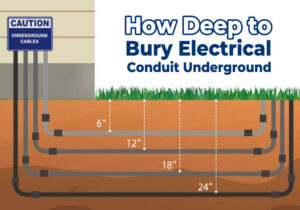
how deep is electrical conduit buried
📏 Standard Burial Depths for Electrical Conduit
The National Electrical Code (NEC) provides general guidelines for burial depths depending on the type of conduit and its application. Below are the standard burial depths for different types of electrical conduit:
-
PVC Conduit (Non-Metallic)
-
Standard Burial Depth: 18 inches (46 cm)
-
Code Reference: NEC 300.5
-
Use: PVC conduit is commonly used for outdoor wiring and can be buried directly in the ground without additional protection. It is widely used in residential and light commercial applications.
-
-
Metal Conduit (RMC, IMC)
-
Standard Burial Depth: 6-24 inches (15-61 cm)
-
Code Reference: NEC 300.5
-
Use: Rigid metal conduit (RMC) or intermediate metal conduit (IMC) provides better protection against physical damage compared to PVC and may not require as deep burial. It’s often used in industrial or high-risk environments.
-
-
Schedule 40 PVC Conduit (Underdriveways or Streets)
-
Standard Burial Depth: 24 inches (61 cm)
-
Code Reference: NEC 300.5
-
Use: For areas with heavy traffic (like under driveways), additional depth ensures the conduit is protected from crushing or impact.
-
-
Flexible Metal Conduit (FMC)
-
Standard Burial Depth: 6 inches (15 cm)
-
Code Reference: NEC 300.5
-
Use: Flexible metal conduit (often called “Greenfield”) is typically used for installations that require more flexibility but less protection from physical damage than rigid metal conduit.
-
-
Electrical Non-Metallic Tubing (ENT)
-
Standard Burial Depth: 18 inches (46 cm)
-
Code Reference: NEC 300.5
-
Use: ENT is commonly used for low-voltage wiring in outdoor applications and can be buried without additional protection.
-
⚖️ Factors That Affect Burial Depth
While the NEC provides general guidelines, there are other factors that may influence how deep electrical conduit should be buried:
-
Location of the Installation
-
Under Roads or Driveways: If the conduit is running beneath roadways, driveways, or areas with heavy traffic, it should be buried deeper to prevent crushing. In these cases, the burial depth should be 24-30 inches (61-76 cm).
-
Under Landscaping: For garden areas or lawns with no heavy machinery traffic, 18 inches (46 cm) is often sufficient.
-
-
Soil Type and Environmental Factors
-
Rocky Soil or Freezing Areas: In regions with rocky soil or where freezing occurs, you may need to bury the conduit deeper to prevent physical damage or freezing of the wiring.
-
Wet or Moist Areas: In areas prone to flooding, the conduit may need to be buried deeper to prevent damage or corrosion.
-
-
Conduit Type
-
Rigid conduit like RMC and IMC provides additional protection, allowing for shallower burial compared to non-metallic conduit such as PVC or ENT. You should select the type of conduit that offers the best protection for your specific environment.
-
🛠 Tips for Installing Electrical Conduit Underground
-
Use Conduit Sleeves for Extra Protection: If you're installing conduit in areas with potential digging or mechanical damage, consider using a conduit sleeve to add an additional layer of protection.
-
Check Local Codes: Always check local regulations before proceeding with your installation. Local codes may have additional requirements or more stringent guidelines for burial depths, especially if you're dealing with high-risk environments or municipalities prone to flooding.
-
Ensure Correct Alignment and Slope: When laying conduit, make sure it’s installed with a slight slope to allow for water drainage, preventing moisture accumulation inside the pipe, which can damage the wiring.
-
Use Trenching Tools: For precision and safety, use a trencher to dig straight, even trenches. This helps ensure your conduit is laid at the correct depth and that no other utilities are damaged in the process.
⚡ Why Proper Burial Depth Matters
-
Protection Against Physical Damage
Underground conduit serves as a protective barrier against external forces like digging, construction work, or even heavy vehicle traffic. The correct burial depth ensures that the conduit remains intact over time. -
Minimizing Exposure to the Elements
Proper depth minimizes exposure to extreme weather conditions like freezing temperatures, flooding, or intense heat, which can degrade the conduit material. -
Compliance with Code
Failure to comply with the NEC or local electrical codes can result in fines, voided warranties, or even safety hazards. Following the required burial depths ensures that your installation passes inspections and remains safe.
💡 Conclusion: How Deep Should You Bury Electrical Conduit?
In summary, the depth at which you bury electrical conduit depends on the type of conduit, its location, and environmental factors. Standard guidelines suggest:
-
18 inches for PVC and non-metallic conduit.
-
6-24 inches for rigid and intermediate metal conduit.
-
24-30 inches for areas with heavy traffic or under driveways.
Always adhere to local regulations, and ensure you use the right type of conduit for your specific application. When in doubt, consult a professional electrician to help with installation and ensure your electrical system is safe, functional, and up to code.
Need Expert Help with Electrical Conduit Installation?
If you’re planning to install electrical conduit or need assistance with code compliance, don’t hesitate to contact our team of licensed electricians. We offer expert advice, installation, and troubleshooting to ensure your project is completed safely and correctly.


