
When installing electrical wiring underground, selecting the correct type of wire is essential for ensuring both safety and longevity of the system. Underground electrical wires must be able to withstand harsh environmental conditions like moisture, temperature fluctuations, and physical pressure from the ground. This guide will walk you through the different types of underground electrical wires, their uses, and the factors to consider when choosing the right one for your project.
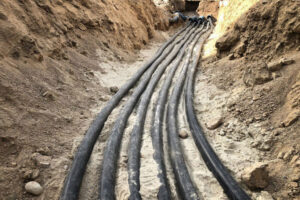
underground electrical wire types
1. Underground Feeder (UF) Cable
What It Is:
Underground Feeder (UF) cable is designed for direct burial in the ground without the need for additional conduit protection. It is one of the most commonly used types of wire for underground electrical installations.
Key Features:
-
Construction: UF cable consists of copper or aluminum conductors insulated with a PVC jacket, making it moisture-resistant and durable.
-
Uses: Ideal for outdoor lighting, irrigation systems, garden sheds, and any low-voltage applications where the wire will be buried directly in soil.
-
Advantages: UV resistant, water-resistant, and rated for direct burial in the ground.
Code Compliance:
The National Electrical Code (NEC) allows UF cables to be buried at depths of 24 inches (61 cm) when installed directly in soil.
2. Non-Metallic Sheathed Cable (NM)
What It Is:
Non-metallic sheathed (NM) cable, also known as Romex cable, is typically used for indoor wiring but can also be suitable for certain underground applications if the cable is rated for direct burial.
Key Features:
-
Construction: The outer sheathing is typically made from a tough plastic, and the wire is made from copper or aluminum conductors.
-
Uses: Common in residential wiring for lights, outlets, and appliances. For underground installation, NM is only acceptable in underground feeder (UF) form, specifically rated for burial.
Advantages:
-
Flexible and easy to work with.
-
Cost-effective for non-exposed installations.
Code Compliance:
NM is not generally approved for burial unless specifically rated as UF cable, so it’s crucial to check with your local code.
3. PVC-Coated (Riser) Cable
What It Is:
PVC-coated cables are typically used for outdoor installations and are also rated for underground use with specific types of coating that protect the wire from external environmental factors.
Key Features:
-
Construction: The cable is coated with PVC to protect it from weather and moisture.
-
Uses: Commonly used for powering outdoor buildings, pumps, or in areas with moderate exposure to environmental risks.
Advantages:
-
Moisture and corrosion-resistant.
-
Highly flexible for routing in different directions.
Code Compliance:
PVC cables can be buried but require a depth of at least 18 inches (46 cm) for protection. Always check for specific code requirements in your area.
4. Armored Cable (BX Cable)
What It Is:
Armored cable, often referred to as BX cable, has a metallic sheath that provides excellent protection against physical damage. While commonly used for indoor installations, it can be used for underground installations if it is specified for such use.
Key Features:
-
Construction: Consists of copper or aluminum conductors surrounded by a flexible metal sheath (typically aluminum).
-
Uses: Commonly used in areas where additional protection against physical damage is needed, such as garages or areas with heavy foot traffic.
Advantages:
-
Provides superior physical protection against damage, abrasion, and pests.
-
Suitable for high-risk environments.
Code Compliance:
The NEC allows BX cables to be buried at a depth of 18 inches (46 cm) when used in protective conduit, and it's ideal for installations in areas that require added protection from physical impact.
5. Rigid Metal Conduit (RMC)
What It Is:
Rigid Metal Conduit (RMC) is a type of steel conduit that provides robust protection for wiring, especially when installed underground. It’s particularly suitable for areas where physical damage or extreme environmental conditions might be a concern.
Key Features:
-
Construction: Made of heavy-duty steel, RMC provides the highest level of protection for underground wires.
-
Uses: Ideal for installations in high-traffic areas or places with high potential for mechanical damage (e.g., driveways, parking lots, or construction sites).
Advantages:
-
Very durable and resistant to physical damage.
-
Resistant to moisture and corrosion when used with protective coatings.
Code Compliance:
RMC must be buried at a minimum depth of 6 inches (15 cm) when used underground and must be installed with fittings that ensure a secure, continuous pathway for the electrical current.
6. Flexible Metal Conduit (FMC)
What It Is:
Flexible Metal Conduit (FMC) is a metal conduit that is often used in areas where flexible installation is required, but it’s not as durable as RMC for outdoor or underground installation.
Key Features:
-
Construction: Made from a spiraled metal strip, it provides flexibility while still offering moderate protection.
-
Uses: Suitable for connecting electrical devices in tight spaces or where movement is required (e.g., connecting machinery to an electrical supply).
Advantages:
-
Flexible, making it easy to work with and route around obstacles.
-
Relatively affordable compared to RMC.
Code Compliance:
FMC is typically not recommended for direct burial unless used in conjunction with a protective jacket or installed within a more durable conduit. The depth requirement usually matches that of RMC, with a minimum of 6 inches (15 cm) for burial.
7. Direct-Buried Cable (Copper or Aluminum)
What It Is:
Direct-buried copper or aluminum cables are the simplest type of wiring for underground installations. They are specifically designed to withstand the harsh underground environment.
Key Features:
-
Construction: These cables feature copper or aluminum conductors with an insulation layer designed to protect against moisture and physical damage.
-
Uses: Ideal for situations where cost is a factor, and the wires won’t be subjected to heavy mechanical stress or waterlogging.
Advantages:
-
Cost-effective and simple to install.
-
Designed for moisture resistance.
Code Compliance:
Direct-buried copper or aluminum wires must be buried at a depth of at least 24 inches (61 cm), and they must be rated specifically for underground use.
Conclusion: Choosing the Right Underground Electrical Wire
When selecting the right underground electrical wire for your project, consider factors like the type of soil, exposure to moisture, and potential physical damage. Whether you choose UF cable for general underground use, armored cable for extra protection, or rigid metal conduit for a high-risk area, always be sure to follow local electrical codes to ensure safety and compliance.
By understanding the different types of underground electrical wires, their uses, and the requirements of your project, you can make an informed decision and set up a safe, reliable, and code-compliant electrical system.
Key Takeaways:
-
UF Cable is commonly used for outdoor and underground applications.
-
Armored Cable (BX) offers extra physical protection.
-
Rigid Metal Conduit (RMC) provides robust protection against physical damage.
-
Flexible Metal Conduit (FMC) is best for installations requiring flexibility.
-
Copper and Aluminum Direct-Buried Cables are affordable and suitable for areas not prone to mechanical stress.
Always ensure that the chosen wire complies with NEC 300.5 and local electrical codes. If in doubt, consult with a licensed electrician to ensure safety and compliance for your underground wiring installation.


