
When it comes to connecting your home to the power grid, one of the most efficient and aesthetically pleasing options is to use underground electrical wiring from the utility pole to your house. This method involves running electrical cables beneath the ground, providing a more reliable and visually appealing solution compared to overhead lines. If you're considering this installation, it’s crucial to understand the types of wires required, the installation process, and the local codes involved. In this guide, we will cover everything you need to know about underground electrical wiring from the pole to your house.
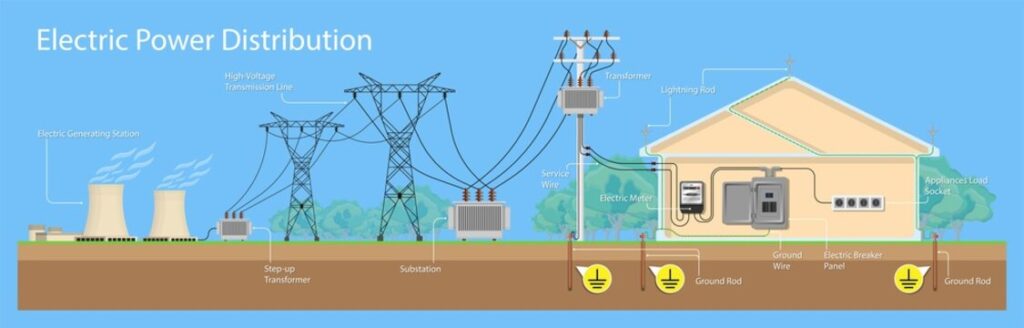
underground electrical wire from pole to house
Why Choose Underground Electrical Wiring?
Before diving into the specifics of installation, it’s important to understand why you might opt for underground electrical wiring over traditional overhead wiring.
Advantages of Underground Wiring:
-
Aesthetic Appeal: Underground lines are invisible, enhancing the overall appearance of your property without the obstruction of overhead wires and poles.
-
Reliability: Underground cables are less susceptible to damage from storms, high winds, or falling branches, which can often cause power outages with overhead lines.
-
Safety: Reduces the risk of electrical fires or accidents caused by damaged overhead lines.
-
Property Value: Properties with underground electrical systems can sometimes experience higher value due to enhanced safety and aesthetics.
Types of Underground Electrical Cables
When running electricity from the pole to the house, the type of wire or cable you choose is crucial for both safety and compliance with local codes. Below are the most commonly used cables for underground electrical installations.
1. Underground Feeder (UF) Cable
What It Is: UF cable is designed specifically for direct burial in the ground. It’s typically made with copper or aluminum conductors and has a robust insulation that protects against moisture, abrasions, and corrosion.
Uses: UF cable is perfect for residential installations, including connecting power lines from the pole to the house.
Code Compliance: UF cable is rated for direct burial with a minimum depth of 24 inches (61 cm), as per the National Electrical Code (NEC).
2. Type USE-2 Cable
What It Is: USE-2 (Underground Service Entrance) cable is another popular choice for underground electrical service. It is often used in areas where the wiring will be exposed to wet conditions.
Uses: This cable is commonly used for service entrance cables from the pole to the home, where the wire will be buried or run through conduit.
Code Compliance: Similar to UF cable, USE-2 cables can be buried directly underground, typically at a depth of 24 inches (61 cm).
3. Service Entrance Cable (SEU or SER)
What It Is: SEU and SER cables are commonly used for the main power supply to your home. They have multiple conductors, usually with an aluminum or copper core, and are often used to connect from the utility pole to the house, especially for homes with higher electrical demands.
Uses: This type of cable is perfect for larger homes or properties that require a higher voltage, as it can handle larger loads.
Code Compliance: When running underground, service entrance cables must be protected within conduit and installed at a depth of at least 18 inches (46 cm).
4. Rigid Metal Conduit (RMC) or PVC Conduit
What It Is: If you're looking for extra protection, using RMC or PVC conduit for the electrical cable is a good choice. The conduit protects the wire from physical damage, making it ideal for areas with a higher risk of impact or exposure.
Uses: This method is generally employed for installations that require additional protection, such as areas with a lot of excavation or digging activity.
Code Compliance: If you are using RMC or PVC conduit for underground wiring, the conduit must be buried at a depth of at least 18 inches (46 cm).
Installation Process for Underground Electrical Wire from Pole to House
Installing underground wiring from the pole to your house requires a series of steps that must be done carefully to ensure safety, functionality, and code compliance.
Step 1: Obtain Permits
Before starting the installation, check with your local utility company and governing authorities to obtain the necessary permits. Different municipalities have varying regulations on digging, installing underground electrical wiring, and setting up meters and panel boxes.
Step 2: Choose the Proper Cable
Choose the right type of underground cable based on your needs (UF, USE-2, SEU, or service entrance cable). The type you choose will depend on factors such as the distance from the pole, the required voltage, and local electrical codes.
Step 3: Dig the Trench
A trench must be dug to accommodate the cable. The trench should be at least 24 inches (61 cm) deep for most types of underground cables (such as UF or USE-2), or at least 18 inches (46 cm) if using conduit like PVC. Ensure the trench is free of sharp objects, rocks, or other debris that could potentially damage the wire.
Step 4: Install the Cable
Once the trench is dug, carefully install the cable. If you're using conduit, ensure the conduit is properly connected and secured. Make sure there is no tension on the cable, and it is routed without kinks or twists.
Step 5: Backfill the Trench
After the cable is installed, backfill the trench with soil. Make sure to fill the trench slowly and gently to avoid damaging the wire. Some local codes may require a warning tape to be placed above the cable, so be sure to check your requirements.
Step 6: Connect the Wiring
Once the cable reaches your house, it must be connected to the main service panel and meter box. This part of the installation should only be done by a licensed electrician, as it involves high-voltage electrical connections.
Step 7: Inspection and Testing
Once everything is connected and the trench is filled, schedule an inspection from your local authority to ensure everything complies with electrical codes. The inspector will verify that the wire is buried to the correct depth and that all components of the installation meet code requirements.
Factors to Consider for Underground Wiring from Pole to House
When planning your underground electrical wiring project, keep in mind the following considerations:
-
Distance from Pole: The longer the distance from the pole to your house, the larger the wire size you'll need to handle the electrical load effectively.
-
Wire Gauge: The size of the wire depends on the total load of your house, with larger homes requiring thicker wires.
-
Permitting and Codes: Always verify local codes and work with your utility company for any necessary permits before digging or installing.
-
Professional Help: Given the risks involved with electrical work, it’s recommended to consult with a licensed electrician for proper installation and safety compliance.
Conclusion:
Running underground electrical wire from the pole to your house provides a safe, efficient, and visually appealing way to power your home. Whether you're using UF cables, USE-2, or service entrance cables, make sure to comply with local electrical codes, dig the trench to the required depth, and hire a professional for connections to the main panel.
Choosing the right wire and installation method is essential to ensure the longevity and safety of your electrical system. Always consult with local authorities or a licensed electrician to ensure your underground wiring is compliant and properly installed.


