
A cable designed for direct burial is an electrical cable that can be installed underground without requiring additional conduit protection. These cables are built with extra durability to withstand harsh underground conditions such as moisture, soil pressure, and temperature variations. They are commonly used in residential, commercial, and industrial electrical installations where wires need to run beneath the ground for aesthetic, safety, or practical reasons.
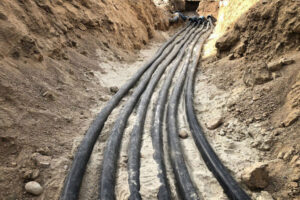
what is a cable designed for direct burial
Key Features of Direct Burial Cables
Direct burial cables are different from standard electrical cables because they include:
-
Moisture Resistance – Special insulation and sheathing protect against water damage.
-
Thicker Insulation – Prevents physical damage from rocks and soil.
-
UV Resistance – Some types are rated for partial sunlight exposure when transitioning from underground to above ground.
-
Durability – Designed to withstand pressure from soil and potential pests.
Common Types of Direct Burial Cables
-
UF (Underground Feeder) Cable
-
Made for direct burial in soil without conduit.
-
Typically used for outdoor lighting, garden power supply, and garage connections.
-
Depth requirement: 24 inches (61 cm) minimum as per NEC.
-
-
USE-2 Cable (Underground Service Entrance)
-
Designed for underground service conductors.
-
Often used for feeding power from a pole to a house or between buildings.
-
-
Armored Cable (ACWU, TECK90)
-
Comes with a metal armor for mechanical protection.
-
Common in commercial or industrial installations.
-
-
Direct Burial Coaxial or Ethernet Cables
-
For telecommunications or internet installations.
-
Includes water-blocking gel or tape to prevent signal loss due to moisture.
-
Where Are Direct Burial Cables Used?
-
Running power to outdoor sheds, garages, and garden lights
-
Supplying electricity from utility poles to homes
-
Underground data or internet connections
-
Rural properties where overhead wiring is not practical
Installation Tips & Depth Requirements
-
Follow Local Codes: The NEC generally requires 24 inches burial depth for UF cables and 18 inches for cables in conduit.
-
Add Warning Tape: Place a colored warning tape above the buried cable to prevent accidental damage during future digging.
-
Protect Entry Points: Use conduit where the cable emerges above ground to prevent mechanical damage.
Why Use Direct Burial Cable Instead of Standard Cable?
Regular electrical cables are not rated for soil contact and can deteriorate quickly if buried directly, leading to short circuits, power outages, or fire hazards. Direct burial cables are specifically engineered to handle these conditions safely.
✅ In short: A cable designed for direct burial is a specially insulated and protected electrical cable meant for safe underground installation without conduit. It’s essential for outdoor wiring projects where durability and compliance with electrical codes matter.


