
Introduction
High tension power lines (also known as high-voltage transmission lines) are essential for transporting electricity over long distances. However, many people worry about their possible health effects due to the electromagnetic fields (EMFs) they emit. Do high tension power lines pose a risk to humans? What does science say?
This guide explores the potential health effects, scientific research findings, and safety tips for living near high voltage lines.
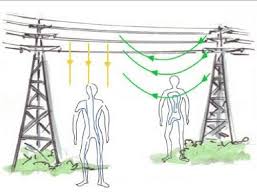
effects of high tension power lines on humans
1. What Are High Tension Power Lines?
High tension power lines typically carry electricity at 69 kV to 765 kV, supported by large steel towers. These lines generate electric fields (from voltage) and magnetic fields (from current), which together are referred to as electromagnetic fields (EMFs).
2. Are EMFs from Power Lines Harmful?
Electromagnetic fields exist everywhere—created by household appliances, Wi-Fi, and even the Earth itself. The EMFs from high voltage lines are non-ionizing radiation, which is not strong enough to directly damage DNA (unlike X-rays or UV light).
Current Scientific Consensus:
-
World Health Organization (WHO): No conclusive evidence links power line EMFs to severe health conditions like cancer.
-
International Agency for Research on Cancer (IARC): Classifies extremely low-frequency magnetic fields (ELF-EMF) as “possibly carcinogenic to humans” (Group 2B), meaning there is limited evidence.
-
National Cancer Institute (NCI): Large studies have not confirmed a direct link between living near power lines and health issues.
3. Potential Health Concerns
While research hasn’t proven strong causal effects, some studies suggest a slight statistical association between prolonged exposure and certain conditions:
-
Childhood leukemia: Some studies indicate a small increase in risk for children living very close (<50 meters) to high voltage lines.
-
Sleep disturbances: EMFs might slightly affect melatonin production, which regulates sleep, but evidence is weak.
-
General symptoms: Headaches, fatigue, or anxiety have been reported anecdotally, but no direct scientific link has been found.
4. How Close is Too Close?
Distance plays a crucial role in exposure levels. Magnetic field strength decreases rapidly as you move away from the line.
-
100 feet (30 meters) from a typical high voltage line: EMF levels are usually similar to household appliances.
-
Living directly under or within 50 feet (15 meters) of high tension lines may result in higher exposure.
5. Safety Tips for Reducing Exposure
-
Maintain distance: Choose housing at least 100–200 feet from major power lines.
-
Limit time under power lines: Avoid unnecessary long-term exposure, especially for children.
-
Measure EMF levels: Use EMF meters to monitor exposure around your home.
-
Follow building codes: Local zoning often requires safe setbacks for homes near power lines.
6. Myths vs Facts
| Myth | Fact |
|---|---|
| Power lines cause cancer. | No direct evidence proves this link; research is ongoing. |
| EMFs from power lines are stronger than home devices. | EMFs from hair dryers, microwaves, or routers can be comparable or even higher at close range. |
| Shielding is always necessary. | In most residential scenarios, natural distance provides adequate protection. |
7. When to Seek Professional Advice
If you’re concerned about EMFs around your property:
-
Consult experts for EMF measurements.
-
Review local regulations on safe distances.
-
Consider relocation or adjustments if you live extremely close to high tension lines.
Conclusion
While high tension power lines do emit EMFs, current scientific evidence does not confirm serious health risks for most people living at standard distances. Staying informed, maintaining a safe buffer, and using simple precautions can give peace of mind.


