
Low Voltage (LV) cables are essential in electrical systems where the voltage does not exceed 1,000 volts AC or 1,500 volts DC. They are widely used in residential, commercial, and industrial installations to deliver safe and reliable power. Choosing the right LV cable type is crucial for efficiency, safety, and compliance with standards.
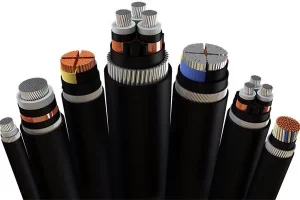
low voltage cable manufacturers
In this guide, we’ll break down the most common LV cable types, their structure, applications, and key selection criteria.
What is a Low Voltage Cable?
A low voltage cable is designed for power distribution in systems with voltage ratings typically up to 0.6/1kV. These cables are used for internal wiring, electrical panels, underground installations, and fixed wiring in buildings and equipment.
Common Types of LV Cables
1. PVC Insulated Single-Core Cables (e.g., H07V-U / H07V-R)
-
Conductor: Copper (solid or stranded)
-
Insulation: PVC
-
Use: Internal wiring of control panels, lighting circuits, conduit systems
-
Standard: IEC 60227, BS EN 50525
2. XLPE Insulated Power Cables (e.g., 0.6/1kV CU/XLPE/PVC or CU/XLPE/SWA/PVC)
-
Insulation: Cross-linked polyethylene (XLPE)
-
Outer Sheath: PVC or LSZH
-
Armouring: Optional (e.g., Steel Wire Armour – SWA)
-
Use: Power distribution in buildings, underground networks
-
Standard: IEC 60502-1, BS 5467
3. Low Voltage Control Cables
-
Core: Multi-core copper
-
Insulation: PVC or XLPE
-
Screening: May include copper wire or tape screening
-
Use: Signal and control in automation, substations, and control panels
-
Example: CY, YY, SY cables (per German DIN standards)
4. Flexible Rubber Cables (e.g., H07RN-F)
-
Insulation/Sheath: Rubber (EPR/NBR)
-
Use: Temporary power, tools, equipment connections
-
Benefits: Highly flexible, suitable for outdoor and industrial use
-
Standard: IEC 60245, BS EN 50525
5. Low Voltage Flat Cables
-
Form: Flat construction for limited-space applications
-
Use: Elevators, conveyors, cranes
-
Core: PVC or rubber-insulated
-
Variants: Flat twin & earth (used in domestic wiring in the UK)
6. LSZH (Low Smoke Zero Halogen) Cables
-
Sheath: Halogen-free compounds
-
Use: Public buildings, tunnels, data centers – wherever fire safety is critical
-
Compliance: IEC 60332-3, IEC 60754
7. NYY and NYM Cables
-
NYY: CU/PVC/PVC – Common for fixed installations in dry or wet conditions
-
NYM: CU/PVC insulation + PVC sheath + intermediate layer – often used in buildings
-
Standard: VDE 0276, DIN norms (Germany/Europe)
Armoured vs. Unarmoured LV Cables
-
Armoured (e.g., SWA, AWA): Used for underground or mechanical stress environments
-
Unarmoured: Ideal for indoor and low-impact installations
How to Choose the Right LV Cable
When selecting a low voltage cable, consider:
-
Voltage rating (e.g., 450/750V, 0.6/1kV)
-
Number and size of cores
-
Installation environment (underground, indoor, wet, exposed to chemicals)
-
Flexibility needs
-
Fire safety standards
-
Screening or armouring requirements
-
Applicable standards and certifications
Conclusion
Understanding the different types of LV cables helps ensure safe and efficient electrical installations. Whether you're wiring a residential building, powering a factory, or installing an underground power system, choosing the right cable type is essential for long-term performance and safety.
For bulk supply, custom specifications, or expert recommendations on LV cable types, feel free to contact a reliable LV cable manufacturer or supplier.


