
14 gauge (AWG) stranded wire is a true staple in electrical work, offering a valuable blend of current capacity for common circuits and exceptional flexibility. Thinner than 12 AWG, it's particularly well-suited for standard lighting circuits, low-voltage applications, and anywhere a manageable yet robust flexible conductor is needed. This guide will illuminate the specific characteristics, typical ampacity, common applications, and essential installation tips for 14 AWG stranded wire. To revisit the fundamental advantages of stranded wire over solid, explore our Stranded vs. Solid Wire: Your Ultimate Guide to Choosing the Perfect Electrical Conductor.
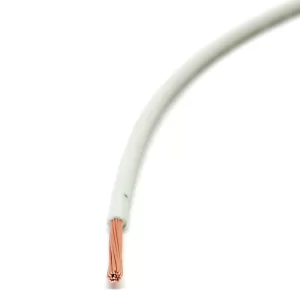
14 gauge stranded wire
Understanding 14 Gauge Stranded Wire
14 AWG is one of the most frequently encountered wire gauges, especially in residential electrical systems. Its stranded construction, formed by twisting numerous fine copper (or sometimes tinned copper) strands together, is its defining feature.
Why Stranded for This Gauge? While a solid 14 AWG wire can still be manipulated, the stranded version offers significant advantages:
- Superior Flexibility: Far easier to pull through conduits, navigate tight spaces, and make connections without the risk of kinking or fatigue often associated with solid wire.
- Vibration Resilience: Its multi-strand composition makes it highly resistant to breaking from repeated bending or constant vibration, making it ideal for appliance cords, automotive wiring, and moving equipment.
- Simplified Installation: Reduces effort during wire runs, especially over longer distances or with multiple bends.
Common Materials & Insulation: 14 gauge stranded wire is predominantly made of annealed bare copper for general electrical conductivity. Common insulation types depend on the intended use:
- THHN/THWN: Often used as individual conductors in conduit for building wiring, providing resistance to heat, moisture, and oil.
- PVC: General-purpose insulation for flexible cords and internal wiring.
- LSZH (Low Smoke Zero Halogen): Used in applications where fire safety is critical, minimizing toxic fumes in a fire.
14 Gauge Stranded Wire Ampacity (Current Carrying Capacity)
For 14 AWG stranded wire, the general ampacity ratings are:
- 15 Amps at 60°C (140°F) insulation rating
- 20 Amps at 75°C (167°F) insulation rating
- 25 Amps at 90°C (194°F) insulation rating
Crucial Caveats: These are general guidelines. Factors that influence actual safe ampacity include:
- Insulation material and its maximum temperature rating.
- Ambient temperature around the wire.
- Installation method (e.g., in free air, in conduit, bundled with other wires).
- Number of current-carrying conductors within a conduit.
- Local electrical codes: Always consult the National Electrical Code (NEC) or your specific local regulations, as they provide the definitive rules for safe wiring.
For a comprehensive explanation of ampacity and its influencing factors, refer to our Understanding Wire Gauge (AWG) and Ampacity: A Complete Guide.
Key Applications of 14 Gauge Stranded Wire
14 AWG stranded wire's balance of current capacity and flexibility makes it incredibly versatile for both AC and low-voltage DC applications:
- 15-Amp Household Circuits: The standard for general lighting circuits and receptacles (outlets) that serve typical loads, ensuring safe operation with 15-amp circuit breakers.
- Extension Cords: Common for medium-duty extension cords.
- Appliance Cords: Internal wiring for many household appliances (e.g., blenders, toasters, coffee makers).
- Speaker Wire: Widely used in home audio systems for connecting speakers to amplifiers, especially for longer runs where maintaining signal integrity and minimizing resistance is important.
- Low-Voltage Landscape Lighting: For main runs to power multiple low-voltage outdoor lights.
- HVAC Control Wiring: Often used for thermostat wiring and other heating, ventilation, and air conditioning control circuits.
- Doorbell Wiring: For traditional doorbell systems where flexibility for routing is beneficial.
- Security Systems: Power and signal wiring for certain security cameras, alarm panels, and sensors.
- General Purpose Hook-up Wire: In electronics projects and prototyping where both robustness and flexibility are required.
Installation Considerations for 14 Gauge Stranded Wire
Proper installation ensures both performance and safety:
- Ease of Routing: Its inherent flexibility simplifies pulling through conduits, especially in older homes with challenging pathways, and routing within appliance chassis.
- Proper Termination: To ensure a reliable connection and prevent individual strands from fraying or shorting:
- Ferrules: Highly recommended for screw terminals. These small metal tubes are crimped onto the wire end, consolidating the strands into a solid, clean termination point.
- Crimping: Use correctly sized crimp connectors (e.g., spade, ring, butt connectors) with the appropriate crimping tool for secure connections.
- Careful Stripping: Use a wire stripper specifically designed for 14 AWG to avoid nicking or cutting any of the delicate strands.
Our Essential Wire Termination Techniques for Every Project provides in-depth instructions on various termination methods.
Where to Buy 14 Gauge Stranded Wire
14 gauge stranded wire is universally available at hardware stores, electrical supply houses, and online retailers. When purchasing, always check the insulation type, conductor material, and ensure it meets any necessary certifications (e.g., UL listing) for your intended application.
Safety Reminders
Electrical safety is paramount. Always:
- Ensure the wire gauge is appropriate for the circuit breaker/fuse and the expected electrical load. Never use 14 AWG on a 20-amp or higher circuit unless specifically permitted by code for limited situations (like motor loads with specific protection), but as a general rule, 14 AWG is for 15-amp circuits.
- Strictly adhere to the National Electrical Code (NEC) or your local electrical regulations.
- Verify the insulation is suitable for the environment (e.g., wet, dry, temperature extremes).
- For complex or high-stakes electrical work, always consult a qualified, licensed electrician.
Conclusion
14 gauge stranded wire is a fundamental component in countless electrical applications, valued for its balance of adequate current capacity and essential flexibility. Whether you're wiring a new lighting circuit, connecting speakers, or tackling a low-voltage control system, understanding its characteristics and proper handling ensures safe, efficient, and long-lasting electrical connections.


