
Accurate cable length measurement is a fundamental task in industries like electrical engineering, construction, telecommunications, and audio-video installations. Whether you're wiring a new building, managing inventory, or installing network systems, knowing the exact length of a cable can save time, reduce waste, and prevent costly errors.
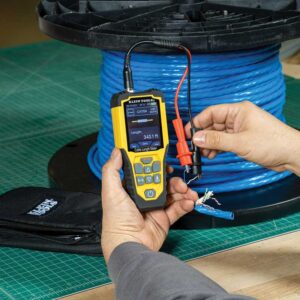
measure cable length
This comprehensive guide explores everything you need to know about cable length measurement—from basic manual techniques to advanced digital cable length meters. Whether you're a technician, contractor, or inventory manager, this guide will help you choose the right cable measuring device for your needs.
Why Accurate Cable Length Measurement Matters
1. Project Cost Control
Measuring too little cable could interrupt work, while overestimating leads to unnecessary waste. Precision helps keep projects within budget.
2. Signal Integrity
In applications like networking, telecom, or AV systems, excessive cable length can degrade signal quality. Accurate measurement ensures reliable performance.
3. Inventory Management
For suppliers and warehouses, knowing the exact length of remaining cable stock improves planning, sales forecasting, and logistics.
Two Basic Methods for Measuring Cable Length
Manual or Mechanical Measurement
Tools Used:
-
Tape measure
-
Measuring wheel
-
Meter stick (for short lengths)
Pros:
-
Low cost
-
Simple and accessible
Cons:
-
Time-consuming
-
Less accurate over long distances
-
Human error-prone
-
Not suitable for coiled or bundled cables
Electronic or Digital Measurement
Tools Used:
-
Digital cable length meters
-
Resistance or capacitance-based testers
Pros:
-
Fast and highly accurate
-
Can measure coiled, installed, or buried cables
-
Reduces labor
Cons:
-
Higher initial investment
-
Some models may require calibration or technical setup
Main Types of Cable Length Measuring Devices
Understanding the types of devices available is essential to selecting the right tool. Below are the most common categories:
1. Handheld Digital Cable Length Meters
How They Work:
These devices typically use resistance, capacitance, or time-domain reflectometry (TDR) to estimate cable length based on electrical characteristics.
Best For:
-
Electricians
-
Field technicians
-
Quick checks on-site
Advantages:
-
Lightweight and portable
-
Accurate even for coiled cables
-
Often compatible with multiple wire gauges and types
2. Counter and Spooler Devices
How They Work:
Mechanical rollers count cable as it passes through the device. These can be integrated with spoolers for simultaneous measuring and coiling.
Best For:
-
Cable manufacturers
-
Distributors
-
Warehousing operations
Advantages:
-
Precise for large cable volumes
-
Allows cutting to exact lengths
-
Compatible with automation systems
3. Non-Contact Measurement Devices
Overview:
Some advanced systems use ultrasound or laser to measure cable length without physical contact. These are ideal for delicate or high-speed cable production lines.
Best For:
-
Specialized manufacturing
-
High-speed or sensitive cable types
Note: While accurate, these are less common due to cost and complexity.
How to Choose the Right Cable Measuring Device
Selecting the best device depends on your specific needs. Here's a checklist to guide your decision:
| Factor | Questions to Consider |
|---|---|
| Volume | Are you measuring a few cables or hundreds daily? |
| Accuracy | Do you need high precision (e.g., for telecom cables)? |
| Cable Type | Is it copper, fiber optic, insulated, or armored? |
| Environment | Are you in a workshop, warehouse, or field? |
| Budget | Are you investing in a long-term solution or one-time use? |
| Extra Features | Do you need spooler integration, data logging, or multi-cable compatibility? |
Conclusion
Accurate cable length measurement is not just a technical necessity—it’s a critical factor for project success, cost efficiency, and long-term reliability. Whether you're using a manual tape measure or a digital cable length measuring device, understanding the strengths and limitations of each method allows you to make smarter decisions.
As cable systems become more complex and precision becomes even more vital, investing in the right cable measuring tool pays off in both accuracy and productivity.
✅ Ready to explore cable length meters? Check out our expert reviews and product comparisons to find the best solution for your application.


