
Recently, a user shared on Facebook that a newly purchased copper wire had turned black within just 3 months. They also referenced a technical analysis article from Prysmian. At first glance, the issue may seem like a simple discoloration—but upon deeper inspection, it's a complex intersection of material science, manufacturing practices, chemical reactions, and safety concerns.
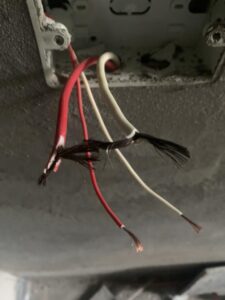
New Copper Wire Turn Black in Just 3 Months
This article takes you through the causes, implications, and prevention strategies for copper conductor blackening, covering chemical, material, process, and environmental perspectives.
Part 1: The Chemical Mechanisms Behind Copper Blackening
Normal Oxidation: A Gradual and Protective Process
Copper is a highly reactive metal. When exposed to oxygen, moisture, and environmental pollutants, it forms a thin layer of copper oxide (CuO), which appears dull or dark brown. This oxidation process is gradual and generally harmless—it even acts as a natural protective barrier.
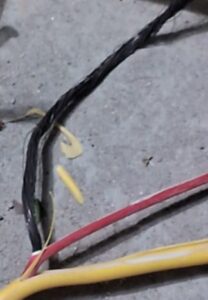
blackened electrical wires
Abnormal Blackening: Aggressive Chemical Reactions
If the copper turns significantly black in just a few months, it's no longer a case of natural oxidation. The likely culprits are reactions with sulfur, chlorine, or phosphorous compounds:
-
Sulfurization Reaction:
Cu + S → Cu₂S or CuS
These black copper sulfide compounds are the most common reason for rapid darkening. -
Chlorination Reaction:
Cu + HCl → CuCl₂
Forms highly corrosive black copper chlorides.
Such compounds can arise from contaminants in the insulation material or environmental pollutants.
Part 2: Quality Issues That Cause Blackened Copper
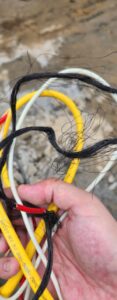
copper wire turned black
Cause #1: Defective Insulation Materials
Your friend’s suspicion may be valid—some PVC insulations or plasticizers release acidic or sulfur-containing volatiles. These compounds, especially organophosphates or chlorinated materials, can react at the copper-insulation boundary and trigger blackening.
Cause #2: Poor Wire Drawing and Annealing Processes
-
Wire Drawing Oil Residue:
If not properly cleaned, drawing lubricants containing phosphorus can remain on the copper and accelerate corrosion. -
Inadequate Annealing:
Improper heat treatment results in surface roughness and micro-cracks, allowing more reactive substances to infiltrate and corrode the conductor.
Cause #3: Harsh Storage or Operating Environment
-
High Humidity:
Moisture accelerates all forms of corrosion. -
Airborne Chemicals:
In areas near chemical plants or heavy industrial activity, hydrogen sulfide (H₂S) and other corrosive gases can permeate the cable insulation and reach the conductor.
Part 3: Safety Hazards of Blackened Copper Wire
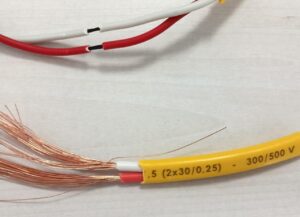
copper wire turned black
1. Increased Electrical Resistance and Heat Generation
Blackened copper often contains semi-conductive layers of corrosion products, increasing resistance. Under high current loads, this leads to excess heat, accelerating insulation aging and posing a fire risk.
2. Poor Terminal Connections
-
The oxidized layer on blackened copper becomes brittle and difficult to bond.
-
Connections become unstable, prone to arcing, disconnection, or even complete failure.
3. Breakdown of Insulation Material
Corrosive compounds such as HCl can chemically attack PVC insulation, leading to:
-
Dielectric breakdown
-
Loss of insulation integrity
-
Risk of short circuits and electric shock
Part 4: Prevention and Recommendations
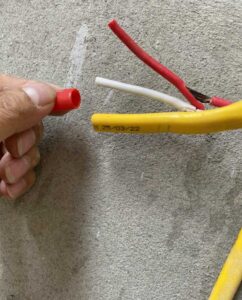
copper-wire-black
For Manufacturers:
-
Use high-purity, phosphorus-free plasticizers and insulations.
-
Implement thorough post-drawing cleaning processes to remove lubricant residues.
-
Perform adequate annealing to ensure smooth conductor surfaces and stable grain structure.
For End Users:
-
Visually inspect copper core color regularly—bright or light golden is healthy; blackening should raise red flags.
-
Store wires in dry, ventilated environments.
-
If you notice any copper discoloration, stop using the cable and contact your supplier immediately.
Conclusion: 'The Color of Copper Reflects the Health of Your Wire'
A high-quality copper wire should shine with a bright, metallic gold appearance. Significant blackening isn't merely an aesthetic issue—it’s a visible indicator of chemical degradation that could compromise safety and performance.
Whether you're a contractor, engineer, or end user, paying attention to copper discoloration can help you avoid hidden risks, reduce rework, and ensure the long-term reliability of your electrical systems.


