
If you're installing network, audio, or electrical cabling in a building, understanding when plenum-rated cable is required is essential for safety and compliance with local building codes. Using the wrong type of cable in the wrong location can not only pose a fire hazard, but also lead to failed inspections and costly rework.
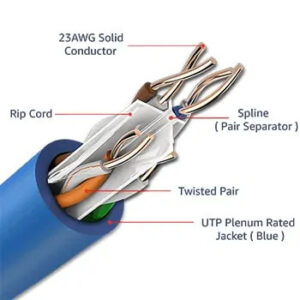
when is plenum rated cable required
In this article, we’ll explain when plenum cable is required, why it matters, and how to know if your installation calls for CMP (Communications Plenum) rated cable.
What Is Plenum Cable?
Plenum cable is a type of cable with a flame-retardant, low-smoke jacket that is designed to meet strict fire safety standards. It is tested and certified to not only resist burning, but also to emit minimal toxic fumes in the event of a fire.
It is typically marked with the NEC fire rating CMP (for “Communications Plenum”).
When Is Plenum Cable Required?
Plenum-rated cable is required by code when the cable will be installed in an area that is used for air circulation in a building, particularly in HVAC return air spaces.
Key scenarios that require plenum-rated cable:
-
Above a suspended/drop ceiling where the space is used for air return
-
Below a raised floor used for air handling (common in data centers)
-
Inside ducts or air plenums (as defined by the NEC)
-
In hospitals, schools, airports, or commercial buildings where strict fire codes apply
In these spaces, a fire could spread quickly, and non-plenum cables could release thick smoke or toxic gases. That’s why CMP-rated cable is mandatory in these locations.
How to Identify a Plenum Space
Not all spaces above a ceiling or below a floor are considered plenum spaces. Here's how to identify one:
✅ Is the area used for air return?
➡ If yes, it's a plenum space, and you need plenum-rated cable.
❌ Is it just an empty cavity with no airflow?
➡ Then it may not be a plenum space. Riser- or general-purpose cable might be allowed, depending on local code.
Tip: Always check with a licensed electrician or local building inspector. Some jurisdictions enforce stricter rules than NEC minimums.
What Happens If You Use Non-Plenum Cable in a Plenum Space?
Installing a non-plenum (e.g., riser-rated or general-purpose) cable in a plenum area can result in:
-
Building code violations
-
Failed inspections
-
Fines or penalties
-
Increased fire and smoke hazard
-
Forced removal and reinstallation at your expense
Even if the cable performs electrically, it could be deemed non-compliant and unsafe.
CMP vs. CMR: Know the Difference
| Rating | Use Case | Fire Safety Level |
|---|---|---|
| CMP (Plenum) | Air handling spaces | Highest |
| CMR (Riser) | Between floors, inside walls | Medium |
| CM (General Purpose) | Short runs, residential | Basic |
Only CMP cables are approved for plenum spaces.
Examples of When You Need Plenum Cable
-
Running Ethernet cable above a drop ceiling in a commercial office
-
Installing fire alarm cables in HVAC ducts
-
Setting up fiber optics under a raised floor in a data center
-
Structured cabling in buildings with shared air handling systems
Conclusion: When in Doubt, Use Plenum-Rated Cable
To stay compliant and safe, remember: If your cable will be installed in a plenum space, it must be plenum-rated. CMP-rated cables are specifically designed to reduce fire risk and meet NEC and local building code requirements.
If you're unsure about your installation environment, consult a licensed electrician or the authority having jurisdiction (AHJ). It's always safer—and often cheaper in the long run—to get it right the first time.


