
Shielded high voltage cables are engineered to safely transmit electricity at high voltages—typically above 35 kV—while minimizing the risks of electrical interference, signal degradation, or equipment failure. In high-voltage environments, shielding is not optional—it’s critical for both safety and performance.
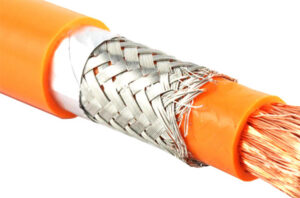
shielded high voltage cable
This guide explores what shielded HV cables are, how they work, where they're used, and why shielding is essential in demanding electrical systems.
🔍 What Is a Shielded High Voltage Cable?
A shielded high voltage cable is a type of power cable that includes one or more layers of conductive material—such as copper tape or wire braid—wrapped around the insulated conductor. This shield:
-
Contains electric fields within the cable
-
Reduces electromagnetic interference (EMI)
-
Provides a path to ground for fault currents
-
Improves safety and dielectric performance
🧱 Key Construction of a Shielded HV Cable
| Layer | Description |
|---|---|
| Conductor | Typically stranded copper or aluminum |
| Conductor Shield | Semi-conductive layer that smooths the electrical field at the conductor interface |
| Insulation | Often XLPE (Cross-Linked Polyethylene) for high dielectric strength |
| Insulation Shield | Semi-conductive layer around the insulation |
| Metallic Shield | Copper tape, wire braid, or concentric wires for grounding and shielding |
| Outer Jacket | Protective sheath (e.g., PVC, PE, LSZH) that resists UV, chemicals, and abrasion |
⚙️ Why Is Shielding Important?
In high voltage cables, electric fields naturally concentrate at interfaces and terminations. Without shielding, these fields can:
-
Cause corona discharge
-
Damage insulation over time
-
Interfere with nearby communication systems
-
Pose shock hazards
The metallic shield layer ensures the electric field is evenly distributed and safely grounded, preventing these issues.
💡 Types of Shielding in HV Cables
| Shield Type | Features | Best For |
|---|---|---|
| Copper Tape Shield | Cost-effective, easy to apply | Indoor or dry environments |
| Copper Wire Braid | Flexible, good mechanical strength | Portable HV equipment |
| Concentric Neutral | Stranded copper wires around insulation | Utility distribution |
| Foil + Braid Combo | Maximum EMI protection | Sensitive or mixed-signal systems |
📐 Applications of Shielded HV Cables
-
Underground and overhead high voltage transmission
-
Power substations
-
Industrial control panels and switchgear
-
HV testing labs and equipment
-
Electric vehicle (EV) high voltage systems
-
Rail and infrastructure electrification
📊 Technical Example: 69 kV XLPE Shielded Cable
| Feature | Specification |
|---|---|
| Voltage Rating | 69 kV |
| Conductor | 500 mm² stranded copper |
| Insulation | XLPE, 10 mm thick |
| Metallic Shield | 25 mm² copper wires + water-blocking |
| Sheath | PE with anti-termite properties |
| Max Operating Temp | 90°C continuous, 250°C short-circuit |
🧪 Compliance Standards
Shielded high voltage cables are designed per:
-
IEC 60840 – Power cables with extruded insulation above 30 kV
-
IEEE 383 – Flame testing for cable insulation
-
ICEA S-93-639 / NEMA WC74 – Shielding and design criteria
-
IEEE 404 – Shielded cable joints
🛠️ Installation Considerations
-
Always ground the shield properly to avoid voltage buildup
-
Use shielded terminations and splices that preserve continuity
-
Maintain minimum bend radius and avoid sharp kinks
-
Ensure moisture blocking for underground installations
✅ Benefits of Shielded HV Cable
-
Safe containment of electric field
-
Reduced EMI and noise pollution
-
Protection from partial discharge
-
Enhanced system reliability
-
Long cable life in harsh environments
🛒 Need Shielded High Voltage Cable?
When sourcing HV shielded cable, consider:
-
Correct voltage class and conductor size
-
Shield type (tape, braid, concentric)
-
Environmental protection (waterproof, UV-resistant)
-
Availability of terminations, joints, and accessories
📌 Conclusion
Shielded high voltage cables are essential for modern power and control systems where safety, electromagnetic compatibility, and long-term durability are non-negotiable. By containing the electric field and grounding fault currents, shielding ensures stable, interference-free power transmission, even in the most demanding environments.
Need help choosing the right HV shielded cable?
Contact us for expert support, datasheets, and global delivery options tailored to your project.


