
Encountering a damaged electrical wire—a frayed cord, a loose connector, or a severed cable—is a common problem. While it might seem like a minor issue, an improper fix can create a major safety hazard.
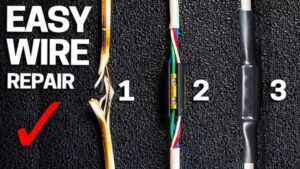
repair electrical wire
This article serves as your comprehensive DIY guide to electrical wire repair, teaching you how to safely handle common wire damage. It’s crucial to remember that while some repairs are possible, your ultimate priority should always be safety. If you’re ever in doubt, replacing the cable is the only sure solution.
Safety First: Before you do anything, disconnect the power!
Part 1: Preparation is Key—Your Essential Toolkit
Before you begin, gather the right tools. Using the correct equipment not only makes the job easier but also ensures a safer and more reliable repair.
- Wire Strippers & Cutters: These are your most fundamental tools. Always use a proper pair of wire strippers to expose the copper core without damaging it.
- Insulation Materials: Have high-quality electrical tape or, for a more professional finish, heat shrink tubing.
- Connectors & Crimpers: For joining severed wires, use wire connectors and a crimping tool to create a secure, long-lasting bond. This is far safer than simply twisting wires together.
- Multimeter (Recommended): Use a multimeter to test for continuity after the repair, ensuring the wire is conducting electricity properly.
Part 2: Step-by-Step Guide to Common Repairs
Here are the most common types of wire damage and the steps to fix them safely.
Scenario 1: Repairing Damaged Wire Insulation (Core Intact)
This is the simplest type of damage, often caused by abrasion. If the inner wire core is not exposed or broken, a repair is straightforward.
- Disconnect Power & Inspect: Ensure the power is off and carefully examine the extent of the damage.
- Clean the Area: Wipe the damaged section clean of any dirt or grease.
- Apply Heat Shrink Tubing or Electrical Tape:
- Heat Shrink: Slide an appropriately sized piece of heat shrink tubing over the damaged section. Use a heat gun or even a hairdryer to apply heat until the tube shrinks tightly around the wire.
- Electrical Tape: If using tape, wrap it tightly around the damaged area, overlapping each layer to create a secure, insulated patch.
Scenario 2: Repairing a Severed Wire or Loose Connector
This requires a more robust fix, as the wire’s path has been compromised.
- Cut the Damaged Section: Use your wire cutters to snip off the damaged portion of the wire, ensuring the cuts are clean and straight.
- Strip the Wires: Use a wire stripper to expose about an inch of the clean wire core on both ends.
- Create a Secure Connection:
- Use a wire connector to securely join the two ends. Insert the stripped wires into the connector and use your crimping tool to create a strong, reliable connection. This prevents the wires from pulling apart and ensures a good electrical contact.
- If a wire has pulled out of a connector, you will need to re-terminate it in the correct terminal.
- Insulate and Secure: Place heat shrink tubing over the new connection and shrink it down, providing durable protection.
Part 3: When to Replace Instead of Repair
While these fixes can be effective, some situations are too dangerous for a DIY repair. Knowing when to replace a cable is critical for safety.
- Overheating Wires: If a wire feels warm or hot to the touch after a repair, stop immediately. This is a sign of a bad connection or an internal wire fault. Replace the cable.
- Aged or Brittle Insulation: If the insulation on a wire is cracking, hard, or shows multiple signs of wear, its protective properties are compromised. It’s time for a replacement.
- High-Power Appliances: For appliances like air conditioners, electric kettles, or heaters, the wires carry a high load. Any DIY repair poses an extremely high risk of fire. Do not attempt to fix these cables.
- Extensive Damage: If the cable has multiple breaks or severe damage, repairing it is not a safe or practical solution.
Conclusion: Safety is a Non-Negotiable
A minor repair can be a great way to save a favorite device. However, when a cable is severely damaged or its integrity is questionable, the only responsible choice is to replace it with a new one.
High-quality cables are the lifeblood of your home's electrical safety. We offer a wide range of premium electrical cables that you can trust to power your home safely and reliably. If you need a replacement or are unsure about your cable's condition, our experts are here to help you choose the right product.


