
Have you ever wondered if you can use an extension cord for your air conditioner? It's a common question, and the answer is yes, but with a critical caveat: you must choose the right type. Using a standard, lightweight extension cord for an AC unit is a major fire hazard that can lead to melted wires and serious damage.
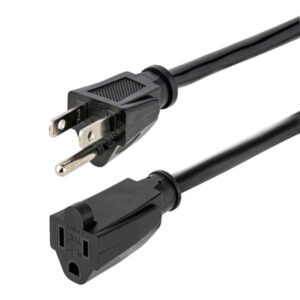
This guide will walk you through everything you need to know about heavy-duty extension cords for air conditioners. We'll explain why a specific cord is essential and how to choose the safest one for your home.
Why Does an Air Conditioner Need a Special Extension Cord?
Air conditioners, especially window units, are considered 'heavy-duty appliances.' They draw a significant amount of electrical current, not just when they are running, but particularly during the initial startup phase. This requires a cord with a thick, robust conductor to handle the load.
Using a regular, thin extension cord for a high-power appliance like an AC unit can have dangerous consequences:
- Overheating: The thin wires are not designed to handle the high current, causing them to heat up.
- Melting Insulation: This heat can melt the plastic insulation, exposing the live wires.
- Fire Hazard: An exposed wire can cause a short circuit or ignite flammable materials nearby, leading to a house fire.
A heavy-duty extension cord for air conditioners is built with thicker wires that have lower electrical resistance, allowing them to handle the current without overheating.
Understanding Extension Cord Gauge: The Key to Safety
The most important factor when choosing an extension cord for your AC is its gauge. Gauge refers to the thickness of the wire—and it follows a simple rule: the smaller the number, the thicker the wire. A thicker wire can safely carry more current.
Here's a quick guide to help you choose the right gauge:
For most standard window air conditioners, a 12-gauge extension cord is a safe choice. However, if you have a larger unit or want an extra margin of safety, a 10-gauge extension cord is even better. Always check your AC unit’s manual for its specific power requirements.
How to Safely Choose and Use Your AC Extension Cord
Once you know the right gauge, follow these tips to ensure a safe setup.
- Choose the Right Length: Select the shortest cord possible to reach the outlet. Longer cords have more resistance, which can lead to a slight voltage drop and more heat generation.
- Look for Safety Certifications: Always buy cords with safety marks like UL or ETL listings. These certifications mean the cord has been tested to meet strict safety standards.
- Never Daisy-Chain Cords: Do not plug multiple extension cords together to reach your AC unit. This increases resistance and the risk of overheating.
- Avoid Overloading: The extension cord for your AC should only be used for the air conditioner. Do not plug other devices into the cord.
- Keep it Uncoiled: Never operate the cord when it's coiled up. The trapped heat can quickly melt the insulation.
By following these simple rules, you can enjoy a cool home without the hidden danger of an improper extension cord. A safe and reliable connection is the best way to prevent a potential disaster.


