
🔎 What is Flexible Armoured Cable?
A flexible armoured cable is a type of electrical cable that combines mechanical protection with flexibility, making it ideal for installations where both durability and bending performance are required. Unlike standard armoured cables, flexible versions can withstand repeated movement, vibrations, and tight bending radii without compromising safety.
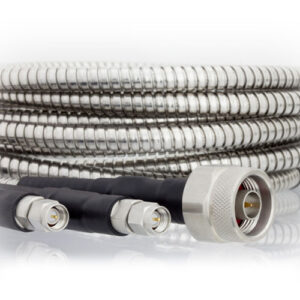
flexible armoured cable
These cables are commonly used in industrial machinery, power distribution, and outdoor installations where resistance to mechanical damage and environmental stress is critical.
🛠 Structure of Flexible Armoured Cable
A typical flexible armoured cable consists of the following layers:
-
Conductor
-
Usually copper (class 5 or class 6 stranded) for high conductivity and flexibility.
-
-
Insulation
-
PVC, XLPE, or rubber compounds depending on application and voltage rating.
-
-
Inner Sheath
-
A bedding layer to separate insulation from armour.
-
-
Armour Layer
-
Galvanized steel wire armour (SWA) or aluminium wire armour (AWA) for mechanical protection.
-
Flexible variants may use braided armour or interlocked armour to allow movement.
-
-
Outer Sheath
-
Usually PVC or LSZH (Low Smoke Zero Halogen) for fire safety and environmental resistance.
-
✅ Key Advantages
-
High Mechanical Strength – Protects against impact, crushing, and rodent damage.
-
Flexibility – Easier to install in confined spaces or dynamic environments.
-
Fire Resistance – With LSZH options, reduces smoke and toxic emissions during fire.
-
Durability – Suitable for harsh industrial and outdoor environments.
-
Safety Compliance – Meets IEC, BS, or UL standards for reliable performance.
⚡ Common Applications
Flexible armoured cables are widely used in:
-
Industrial machinery & automation systems
-
Mining and construction sites
-
Power distribution in factories
-
Renewable energy (solar, wind turbines)
-
Underground or outdoor installations
-
Control and instrumentation systems
📊 Technical Specifications (Example)
| Parameter | Specification |
|---|---|
| Voltage Rating | 0.6/1 kV (Low Voltage) or up to 6/10 kV |
| Conductor Material | Stranded Copper (Class 5) |
| Insulation | XLPE / PVC / Rubber |
| Armour Type | Steel Wire Armour (SWA) / Aluminium Wire |
| Outer Sheath | PVC / LSZH |
| Operating Temp. | -20°C to +90°C |
| Standards | IEC 60502, BS 5467, UL, etc. |
📝 How to Choose the Right Flexible Armoured Cable
-
Check Voltage Rating – Ensure it matches your system (LV/MV).
-
Consider the Environment – Use LSZH for indoor/public buildings, PVC for industrial/outdoor.
-
Mechanical Requirements – Choose steel or aluminium armour depending on strength vs weight.
-
Flexibility Needs – For dynamic use (e.g., machinery), opt for braided or interlocked armour.
-
Certifications – Verify compliance with IEC, BS, or UL standards.
📌 Conclusion
Flexible armoured cables provide the perfect balance between protection and flexibility, making them essential for demanding electrical installations. Whether for industrial machinery, underground wiring, or renewable energy projects, they ensure safe, durable, and reliable power transmission.
👉 Looking for cost-effective and high-quality flexible armoured cables? Contact TOT Wire & Cable today for expert advice and competitive pricing.


