
In demanding electrical environments, where heat can easily damage ordinary wires, heat-resistant cables provide a reliable solution. These cables are engineered to maintain excellent electrical and mechanical properties even when exposed to extremely high temperatures.
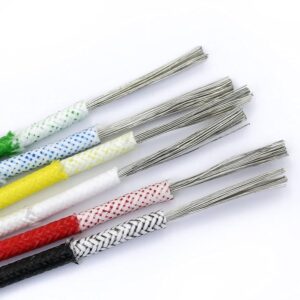
Heat-Resistant Cable
Whether used in industrial furnaces, automotive systems, or aerospace applications, heat-resistant cables ensure continuous performance and safety where standard cables would fail.
What Is a Heat-Resistant Cable?
A heat-resistant cable, also known as a high-temperature cable, is designed to operate in environments that reach or exceed 150°C. Unlike regular PVC-insulated cables, which soften or degrade at high heat, these cables use advanced insulation materials such as silicone rubber, PTFE (Teflon), fiberglass, or mica tape.
The key purpose of a heat-resistant cable is to maintain insulation integrity and conductivity under extreme thermal stress, making it suitable for industries where both heat and reliability are critical.
Key Features and Benefits
Heat-resistant cables are built to handle both high performance and harsh conditions. Some of their standout features include:
-
🔥 Exceptional Heat Tolerance: Operates continuously at temperatures up to 250°C, depending on material type.
-
⚡ Stable Electrical Performance: Maintains dielectric strength and prevents insulation breakdown.
-
🧯 Flame Retardant & Self-Extinguishing: Reduces fire hazards and supports safer installations.
-
🧪 Chemical and Oil Resistance: Performs well in industrial environments exposed to lubricants or solvents.
-
🌦️ Weather and UV Resistance: Suitable for both indoor and outdoor applications.
-
🧰 Flexible and Durable: Resists cracking and remains pliable in both hot and cold conditions.
Common Materials Used in Heat-Resistant Cables
Different insulation materials provide different temperature ranges and performance characteristics:
| Material | Temperature Rating | Characteristics |
|---|---|---|
| Silicone Rubber | Up to 200°C | Excellent flexibility, flame resistance |
| PTFE (Teflon) | Up to 250°C | Exceptional chemical resistance, low friction |
| Fiberglass | Up to 400°C (short-term) | High tensile strength, ideal for furnaces |
| Mica Tape | Up to 1000°C (short-term) | Excellent fire resistance for emergency circuits |
Applications of Heat-Resistant Cables
Because of their versatility, heat-resistant cables are used in a wide range of industries:
-
Industrial heating systems and furnaces
-
Power generation and renewable energy
-
Automotive and electric vehicle wiring
-
Lighting and stage equipment
-
Aerospace and defense systems
-
Chemical and steel processing plants
-
Appliances and HVAC systems
These cables are indispensable in any environment that requires consistent performance under extreme heat or fluctuating temperatures.
Choosing the Right Heat-Resistant Cable
When selecting a heat-resistant cable, consider the following factors:
-
Operating Temperature: Ensure the insulation material matches the maximum working temperature.
-
Voltage Rating: Select a cable that meets the system’s electrical requirements.
-
Environmental Conditions: Consider exposure to chemicals, moisture, or UV light.
-
Flexibility Needs: For moving equipment, opt for silicone or PTFE types.
Matching the cable’s characteristics to your environment ensures longer service life and better performance.
Conclusion
Heat-resistant cables are essential for ensuring safety, reliability, and efficiency in high-temperature environments. With advanced materials such as silicone, PTFE, fiberglass, and mica, they offer excellent insulation performance and long-term durability.
If your project demands wiring that can handle heat, corrosion, or harsh industrial conditions, a heat-resistant cable is your best solution.
👉 Contact TOT Wire & Cable today to find the ideal heat-resistant cable for your application and get a competitive quote.


