
Replacing aluminum wiring can be a significant investment — but given the safety risks associated with older aluminum circuits, it’s often well worth the cost. Below is a detailed overview of what drives the cost, typical price ranges, and factors that influence the final bill.
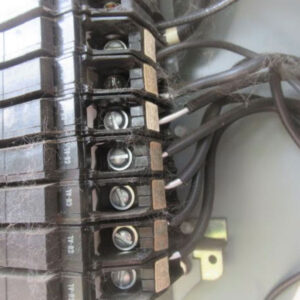
cost to replace aluminum wiring
What Is the Cost to Replace Aluminum Wiring?
The total cost to replace aluminum wiring depends on several variables, but typical nationwide estimates in the U.S. fall in the following ranges:
-
Per outlet/light circuit: ~ $150 to $400
-
Small home rewire (1,000–1,500 ft²): $3,500 to $10,000+
-
Large home rewire or partial rewire: $10,000 to $20,000+
-
Service or feeder conductor replacement (SE or SER cable): varies widely — often $1,000 to $5,000+ depending on length, access, and panel work
What Drives the Cost?
Several factors influence how expensive it will be to replace aluminum wiring:
-
Labor & Accessibility
-
Electricians’ hourly rates: Typically $50–$120+/hour depending on region.
-
Accessibility of wiring: Better access (open walls, unfinished basements) saves labor. If walls are finished or walls must be opened, labor and restoration are more costly.
-
-
Type of Circuits to Replace
-
Branch circuits (lights/outlets) are cheaper to rewire than large feeder cables.
-
Older aluminum might be insulated in conduits or enclosed, affecting difficulty.
-
-
Material Cost
-
Copper wire is more expensive than aluminum replacement cable.
-
Connectors, junction boxes, switches/outlets rated for copper conversion or special connectors (COPALUM, AlumiConn) add cost.
-
-
Grounding & Bonding Upgrades
-
Aluminum wiring often requires updated grounding.
-
Ground rods, heavier gauge grounding wire, and proper bonding may be needed.
-
-
Panel Work
-
If replacing service entrance (SE) or feeder aluminum, you may need to replace or upgrade the electrical panel.
-
Subpanel additions or breaker changes can increase cost.
-
-
Permits & Inspections
-
Local building permit and municipal inspection fees apply.
-
Some jurisdictions require special inspections for aluminum-to-copper conversions.
-
-
Repair & Restoration
-
After rewiring, walls, ceilings, and trim may need to be patched, painted, or refinished.
-
This drywall work or restoration can add to the overall cost.
-
Pros & Cons: Replacing vs. Repairing
Pros of Replacing Aluminum Wiring
-
Significantly reduced fire risk
-
Increased home resale value and buyer confidence
-
Better compatibility with modern electrical loads
-
Improved grounding and reliability
Cons / Challenges
-
High upfront cost
-
Disruption to the home (wall opening, patching)
-
Requires skilled electricians familiar with aluminum-to-copper conversion
-
Possible need to update the main panel or feeders
Alternative: Repair or Mitigation
If full replacement is not feasible, there are less expensive options:
-
COPALUM or AlumiConn connectors: Specialized connectors for aluminum-to-copper transitions.
-
Pigtailing: Adding short lengths (“pigtails”) of copper wire at outlets, switches, and light fixtures.
-
Re-terminating: Tightening and cleaning existing aluminum connections with proper torque and anti-oxidant compound (though this is less safe than full replacement).
These mitigation methods typically cost much less than a full rewire — often a few hundred to a few thousand dollars — but they’re often considered a compromise, not a permanent solution.
Final Thoughts & Recommendations
-
Get multiple quotes: Hire licensed electricians who have experience with aluminum wiring.
-
Ask for itemized bids: Make sure you understand how much is labor, materials, and restoration.
-
Check local codes: Some areas may have special requirements or incentives for aluminum rewire.
-
Prioritize safety: Aluminum wiring incidents in older homes are real. If the cost is affordable, replacement is often the best long-term decision.
Need a quote?
TOT Wire & Cable can help you specify the right copper or modern aluminum replacement conductors and put you in touch with certified electricians in your area.
👉 Contact us today for help with your wiring upgrade.


