
What Is Bonding Wire? (Definition)
Bonding wire is an extremely fine metal wire used to create electrical connections between a semiconductor chip (die) and its package leads, pads, or substrate. These wires typically range from 15 to 50 micrometers in diameter—thinner than a human hair.
Bonding wires serve as electrical and mechanical bridges, allowing signals and power to flow in and out of the integrated circuit (IC). Without bonding wire, a microchip would be unable to communicate with the outside world.
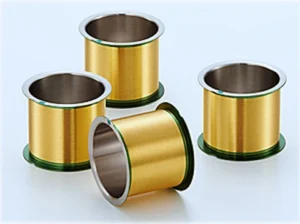
what is bonded wire
Bonding wire is used in the wire bonding process, the most common chip interconnection method in semiconductor packaging.
Why Bonding Wire Matters
Bonding wire plays a critical role in ensuring:
-
Reliable electrical signal transmission
-
Power delivery between chip and package
-
Long-term mechanical stability
-
Chip performance and reliability
Even one poor-quality bond can cause chip failure, which makes bonding wire quality essential for semiconductor manufacturers.
Types of Bonding Wire (Gold, Copper, Aluminum)
The semiconductor industry primarily uses three types of bonding wire. Each has unique advantages and limitations.
1. Gold Bonding Wire
Gold wire has been the traditional choice for high-reliability chips.
Advantages
-
Excellent electrical conductivity
-
Highly corrosion-resistant
-
Very stable in thermosonic bonding
-
Ideal for high-frequency, high-performance ICs
Disadvantages
-
High cost
-
Not preferred for cost-sensitive, high-volume production
Common Applications:
Mobile processors, RF devices, memory chips, aerospace electronics.
2. Copper Bonding Wire
Copper bonding wire has become the most widely used alternative to gold.
Advantages
-
Much cheaper than gold
-
Better electrical and thermal conductivity
-
Higher mechanical strength
Disadvantages
-
Easily oxidized
-
Requires protective atmosphere (forming gas) during bonding
-
Harder on bonding tools
Common Applications:
Consumer electronics, automotive electronics, power devices.
3. Aluminum Bonding Wire
Aluminum bonding wire is widely used in power devices and hybrid circuits.
Advantages
-
Very low cost
-
Good corrosion resistance
-
Suitable for wedge bonding
-
Stable for thick-wire applications (100–500 μm)
Disadvantages
-
Lower conductivity than copper
-
Requires higher bonding force
-
Lower bond reliability with gold surfaces
Common Applications:
IGBT modules, LEDs, power ICs, high-current devices.
How Bonding Wire Works: The Wire Bonding Process
Wire bonding is performed on automated machines and consists of three steps:
1. First Bond (Ball Bond or Wedge Bond)
The machine creates a bond on the chip pad using heat, pressure, and ultrasonic energy.
2. Loop Formation
The wire is lifted and shaped into a loop to avoid interference with neighboring wires.
3. Second Bond (Stitch Bond)
The wire is attached to the package lead or substrate, completing the connection.
Precision is essential—some chips contain thousands of bonding wires packed within a few square millimeters.
Bonding Wire Applications
Bonding wire is used widely across the electronics industry, including:
-
Integrated circuits (ICs)
-
Memory chips (DRAM, NAND)
-
Microcontrollers (MCUs)
-
Sensors and MEMS devices
-
Power semiconductors (MOSFETs, IGBTs)
-
LED packaging
-
RF and high-frequency circuits
Wherever you find a semiconductor, you will likely find bonding wires inside.
Bonding Wire vs. Bonded Wire (Important Distinction)
These terms sound similar but refer to different products:
| Term | Meaning | Industry |
|---|---|---|
| Bonding Wire | Ultra-fine wire used in semiconductor packaging | Microelectronics |
| Bonded Wire | Two or more insulated electrical wires fused side-by-side | Electrical cable industry |
They should never be confused in technical descriptions.
Advantages of Wire Bonding Technology
-
Low cost compared to flip-chip
-
Highly flexible design
-
Supports many chip and package types
-
Proven reliability
-
Efficient for mass production
Wire bonding remains the dominant interconnect method despite advances in flip-chip and advanced packaging.
FAQs: Bonding Wire Explained
1. What is bonding wire made of?
Most bonding wires are made from gold, copper, or aluminum.
2. Why is bonding wire so thin?
Thin wires minimize stress on the chip, support high speeds, and enable dense wiring.
3. Is copper wire replacing gold wire?
Yes. Copper is now the most widely used material due to cost and conductivity advantages.
4. What is the diameter of bonding wire?
Typically 15–50 µm, while power devices may use 100–500 µm thick aluminum wire.
5. What happens if a bonding wire breaks?
The chip will fail because the electrical path is interrupted.
Conclusion
Bonding wire is a foundational material in semiconductor packaging. Whether made from gold, copper, or aluminum, bonding wires act as micro-scale electrical lifelines that allow chips to function.
As electronics continue to shrink and demand higher reliability, bonding wire technology will remain a critical part of global semiconductor manufacturing.


