
Accidentally driving a screw, nail, or drill bit into a concealed electrical wire during a home renovation or DIY project is a shockingly common and potentially catastrophic mistake. The immediate consequences can range from a momentary flicker of lights to a serious electrical fire or severe personal injury.
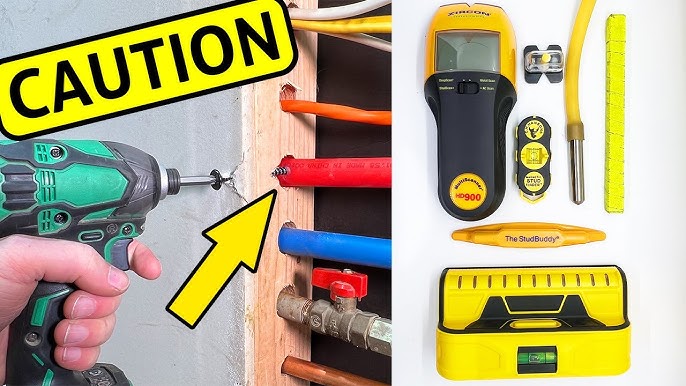
what happens if you hit a wire with a screw
If you are asking, 'What happens if you hit a wire with a screw?' this guide explains the immediate dangers, the likely electrical consequences, and the critical steps you must take right away.
1. Immediate Signs and Dangers
The moment your screw penetrates the wire, several immediate and dangerous events can occur, depending on whether the wire is live and how deep the screw penetrates.
A. The Immediate Dangers
-
Electric Shock: If the screw is in contact with the live conductor (hot wire) and you or your tool provides a path to ground, you can receive a severe electrical shock. This is the most dangerous consequence and can cause serious injury or even death.
-
Arc Flash and Bang: If the screw connects the live wire to the neutral wire, or more commonly, the live wire to the grounding wire, it creates a direct short circuit. This results in an immediate, loud 'bang', a flash of bright light (arc flash), and often sparks.
-
Trip Breaker: The massive surge in current caused by the short circuit should cause the circuit breaker controlling that circuit to trip instantly, cutting power to the line. This is your electrical system's primary protection mechanism.
B. Visible and Sensory Signs
-
A loud pop, crackle, or bang.
-
Sparks, smoke, or a burning smell (like melting plastic).
-
A section of the wall feeling momentarily warm, or a tool vibrating fiercely before the power shuts off.
2. Electrical Consequences: What Happens to the Wire?
The penetration damage to the wire is rarely neat; it results in one of three primary electrical faults:
A. Direct Short Circuit
This is the most likely and, paradoxically, the safest outcome if the breaker is working correctly.
-
Action: The screw connects the Hot (Live) wire directly to the Neutral or Ground wire.
-
Result: A massive surge of current overwhelms the breaker, causing it to trip immediately. The circuit is dead, but the damage is contained.
B. Ground Fault
-
Action: The screw pierces the live wire and touches a metallic object that is grounded (e.g., metal conduit, junction box, or plumbing pipe).
-
Result: Similar to a short circuit, this should trip the breaker, or ideally, the GFCI (Ground Fault Circuit Interrupter) or AFCI (Arc Fault Circuit Interrupter) protecting the circuit.
C. Partial Penetration (The Hidden Danger)
This is the most insidious and dangerous failure. The screw pierces the insulation but makes only slight or intermittent contact with the conductor.
-
Action: The screw is loose against the copper or breaks off a few strands of wire.
-
Result: The breaker does not trip immediately. Instead, the damaged section becomes a point of high resistance. Current flowing through this high resistance generates intense heat. This heat can cause the wire insulation and the surrounding wood structure to slowly smolder, leading to a concealed wall fire hours or even days later.
3. What to Do Immediately After Hitting a Wire
If you suspect you have hit a wire, stop immediately and follow these critical safety steps.
-
Stop Working and Release: Immediately take your hand off the tool. Do not try to unscrew or pull the screw out.
-
Shut Down the Power: Go to your main electrical panel (breaker box) and turn OFF the main breaker for the entire house or the specific circuit breaker that tripped (or should have tripped).
-
Confirm Power is OFF: Using a non-contact voltage tester, confirm that the power is dead at the nearest outlet or switch on that line.
-
Do Not Remove the Screw: The screw, if it is still embedded, may be the only thing separating the live wire from the wood or other flammable material. Leave it in place until a professional can safely isolate the wire and repair the damage.
4. Professional Repair and Assessment
Wire damage inside a wall must be handled by a licensed electrician. Do not attempt to repair the wire yourself.
-
Inspection: The electrician will locate the damaged section, typically requiring cutting into the drywall to expose the wire.
-
Code Compliance: According to electrical codes (NEC/CEC), damaged wiring cannot simply be patched or wrapped with tape inside the wall. The damaged section must be spliced within a permanently accessible junction box.
-
Repair: The electrician will cut out the damaged section and install a junction box, splicing new wire sections on either side of the box to restore the circuit integrity. The junction box cover must remain accessible (not covered by drywall) for future inspection.
By stopping immediately and shutting off the power, you mitigate the risk of electrocution and prevent the development of a catastrophic concealed electrical fire.


1 comment
BeBesNails 12/16/2025
Are we underestimating the importance of low voltage cables in the push for sustainable energy solutions? With the rise of renewable energy sources, could advancements in low voltage technology lead to significant improvements in energy efficiency and performance? What innovative applications or materials should we explore to enhance their role in modern power distribution systems