
A broken or cut electrical wire can be frustrating, but in many situations you don’t need soldering to make a safe and reliable repair. With the right tools and techniques, you can fix damaged electrical wires quickly and effectively—whether it’s a household cord, automotive wire, or low-voltage cable.
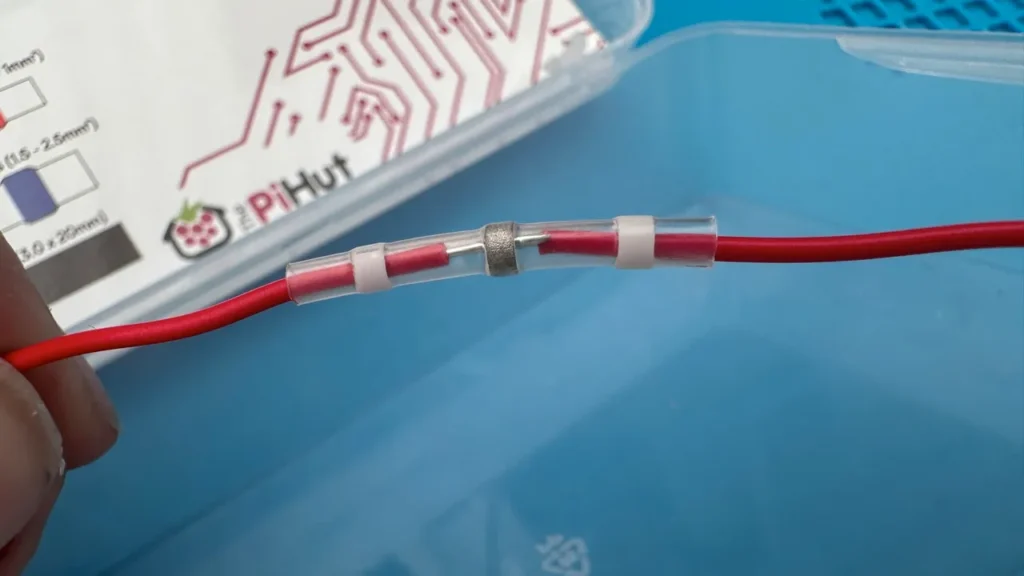
how to fix a broken wire without soldering
This guide explains how to fix a broken wire without soldering, the best non-solder repair methods, and when it’s safe to repair versus when replacement is the better option.
When Can a Wire Be Repaired Without Soldering?
Non-solder wire repair is appropriate when:
-
The wire is low to medium voltage
-
The copper conductor is not severely corroded
-
The damage is localized (cut, nicked, or frayed)
-
The wire is not part of critical life-safety equipment
You should not attempt a DIY repair if:
-
The wire is part of the main service entrance
-
Insulation damage exposes live conductors in wet locations
-
The cable feeds high-load equipment continuously
Common Causes of Broken or Damaged Wires
Understanding the cause helps ensure the repair lasts:
-
Accidental cuts during drilling or digging
-
Wear and tear from bending or vibration
-
Rodent damage
-
Aging insulation becoming brittle
-
Pinched or stretched cords
Method 1: Using Heat Shrink Butt Connectors (Best Overall)
Heat shrink butt connectors are one of the most reliable solder-free solutions.
What You Need:
-
Heat shrink butt connector (correct wire gauge)
-
Wire stripper
-
Heat gun or lighter (carefully)
Steps:
-
Turn off power to the wire.
-
Strip about 1/2 inch of insulation from both wire ends.
-
Insert each wire end into the connector.
-
Crimp firmly using a proper crimping tool.
-
Apply heat until the tubing shrinks and seals.
Why it works:
This method creates a strong mechanical connection and seals out moisture, making it ideal for automotive, outdoor, and underground wire repairs.
Method 2: Lever Connectors (WAGO-Style)
Lever connectors are excellent for indoor electrical wire repair.
Steps:
-
Strip the wire insulation.
-
Open the lever on the connector.
-
Insert the wire fully.
-
Close the lever to lock it in place.
Advantages:
-
No special tools needed
-
Reusable
-
Consistent connection pressure
Best for: Junction boxes, lighting circuits, and appliance wiring.
Method 3: Crimp Wire Connectors (Butt Splices)
Standard crimp connectors are a widely used wire repair method.
Tips for Success:
-
Match the connector to the wire gauge
-
Use a quality crimping tool (not pliers)
-
Tug test after crimping
For extra protection, slide heat shrink tubing over the splice or wrap with high-quality electrical tape.
Method 4: Electrical Tape (Temporary Fix Only)
Many people ask “how to fix a cut wire with electrical tape”, but this should only be a short-term solution.
When It’s Acceptable:
-
Very minor insulation damage
-
Low-voltage wires
-
Emergency situations only
How to Do It Properly:
-
Twist conductors together tightly.
-
Wrap tape starting below the splice.
-
Stretch the tape slightly as you wrap.
-
Overlap each layer for full coverage.
⚠️ Warning: Electrical tape alone does not provide a strong mechanical connection and can fail over time.
Method 5: Wire Repair Kits and Splice Kits
A wire repair kit or electrical wire splice kit often includes:
-
Crimp connectors
-
Heat shrink tubing
-
Waterproof splices
-
Insulated connectors
These kits are ideal for homeowners and technicians who want a ready-to-use solution for repairing electrical wires safely.
Safety Tips When Repairing Electrical Wires
-
Always turn off power at the breaker
-
Never repair live wires
-
Match connector ratings to voltage and current
-
Use waterproof connectors for outdoor repairs
-
Secure repaired wires to prevent movement
When You Should Replace the Wire Instead
Repair is not always the safest option. Replace the wire if:
-
The insulation is brittle along its length
-
Multiple repair points already exist
-
The conductor is badly oxidized
-
The wire carries high continuous loads
Final Thoughts
Knowing how to fix a broken wire without soldering can save time and money while still maintaining safety—when done correctly. Crimp connectors, heat shrink splices, and lever connectors offer reliable, professional-grade solutions without the need for soldering skills or equipment.
If you’re unsure about the condition of the wire or the application, it’s always best to consult a qualified electrician.


