
If you've come across the term 'RF cable' and wondered what it is, you're not alone. Whether you're setting up a TV, connecting a radio antenna, or working on wireless systems, RF cables play a critical role in transmitting high-frequency signals.
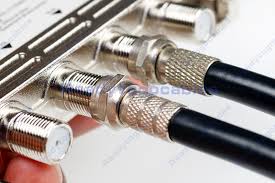
what is an rf cable
In this article, we’ll explain exactly what an RF cable is, how it works, its common uses, and what to look for when choosing one.
What Is an RF Cable?
RF cable stands for Radio Frequency cable. It is a type of coaxial cable specifically designed to transmit radio frequency signals—typically in the range of 3 kHz to 300 GHz. These cables are used to carry high-frequency electrical signals from one point to another with minimal loss.
An RF cable consists of:
-
Center conductor: Carries the signal
-
Dielectric insulator: Surrounds the conductor
-
Shielding: Blocks electromagnetic interference (EMI)
-
Outer jacket: Protects the cable physically
What Are RF Cables Used For?
RF cables are used in a wide variety of electronic systems where signal integrity at high frequencies is critical.
Common applications include:
-
TV and satellite connections (e.g., coaxial cable to a TV box)
-
Radio communications
-
Antennas and transmitters
-
Wi-Fi and wireless devices
-
RF testing equipment
-
GPS and surveillance systems
Types of RF Cables
There are many types of RF cables, but the most common include:
| Cable Type | Typical Use | Frequency Range |
|---|---|---|
| RG6 | Cable TV, satellite TV | Up to 1 GHz |
| RG59 | Analog video, short-run RF signals | Up to 500 MHz |
| RG11 | Long-distance cable TV | Up to 3 GHz |
| LMR Series | Wireless communication systems | Up to 6 GHz and beyond |
| Semi-rigid | High-frequency lab and test setups | Precise, stable environments |
RF Cable vs. Coaxial Cable – Are They the Same?
All RF cables are coaxial cables, but not all coaxial cables are suitable for RF. The key difference lies in the frequency range and shielding quality. RF cables are built to handle high-frequency transmissions with low signal loss and excellent shielding against EMI.
How to Choose the Right RF Cable
When selecting an RF cable, consider the following:
-
Frequency requirements: Higher frequencies need better shielding and lower loss.
-
Cable length: Longer cables can lead to signal degradation.
-
Connector type: Ensure compatibility (e.g., F-type, SMA, BNC).
-
Application environment: Outdoor or indoor? Fixed or flexible use?
-
Signal quality: Low-loss cables maintain better performance over distance.
Benefits of Using RF Cables
-
High signal fidelity over long distances
-
Minimal interference due to shielding
-
Versatility across a wide range of electronics
-
Long lifespan with proper installation
Conclusion
So, what is an RF cable? It’s a specialized coaxial cable designed to transmit high-frequency signals reliably with minimal interference. From your TV setup to advanced communication systems, RF cables are essential for clear, stable signal transmission.
Whether you're a home user setting up entertainment equipment or a professional working with RF systems, choosing the right RF cable can make a significant difference in performance.
Need Help Choosing an RF Cable?
If you’re unsure which RF cable suits your needs, or you’re looking for affordable, high-quality options, contact our team today. We’re here to help with tailored solutions for home and industrial applications.


1 comment
Hk hari ini paito warna 09/05/2025
Great goods from you, man. I've remember your stuff previous to and you're just extremely fantastic. I actually like what you have got here, really like what you're stating and the way during which you assert it. You're making it enjoyable and you still take care of to keep it wise. I can't wait to learn much more from you. That is really a tremendous site.