
What is SER Cable?
SER cable stands for *Service Entrance cable with Reinforcement tape*. It is a type of **SE cable (Service Entrance cable)** used in residential and commercial wiring systems to deliver power safely from the utility company to the electrical panel.
While “SER” is a specific configuration, the term **SE cable** refers more broadly to service entrance cables that include both **SER** and **SEU** types. If you’re wondering **what SE cable means**, SER is one of the most commonly used SE cable types available today.
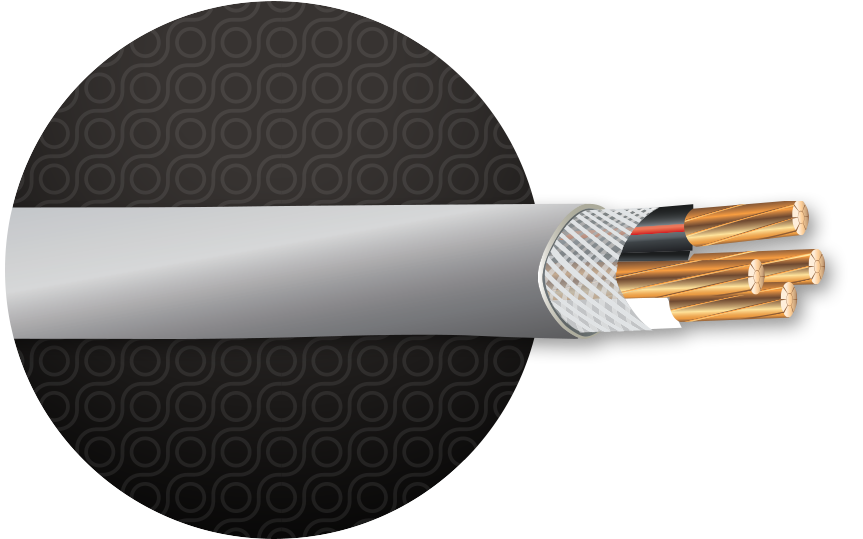
what is ser cable
Key Characteristics of SER Cable
Construction and Design
-
Conductors: Usually made from aluminum or copper
-
Reinforcement: Features special Style R reinforcement tape for added durability
-
Configuration: Contains both neutral and ground conductors (separated)
-
Voltage Rating: Rated for 600 volts
-
Temperature Rating: Can handle temperatures up to 90°C (194°F)
-
Environment: Suitable for both wet and dry locations
Conductor Colors:
Most SER cables follow standard color coding for easy identification during installation:
-
Black / Red / Blue: Phase (hot) conductors
-
White or Gray: Neutral conductor
-
Green or Bare: Ground conductor
This clear color coding ensures compliance with NEC requirements and reduces wiring errors during installation.
Physical Appearance
SER cables are round in cross-section and come with a protective outer jacket, typically made of PVC material. The cable contains multiple insulated conductors bundled together, making it easy to identify and install.
What Is SE Cable?
SE cable, short for Service Entrance cable, is a category of electrical cable designed to carry power from the electric meter to a building's distribution panel. It comes in two main forms: SER cable and SEU cable.
-
SER cable (Service Entrance, Reinforced) includes separate ground and neutral conductors, making it suitable for feeder and subpanel installations.
-
SEU cable (Service Entrance, Unarmored) combines the ground and neutral, making it ideal for simpler main service entrances before the disconnect.
Both fall under the same NEC classification of “Type SE” cables, but SER cable is more versatile, especially when separate grounding is required.
SER vs. SEU Cable: Understanding the Difference
SER Cable (Service Entrance with Reinforcement):
-
Has separate neutral and ground conductors
-
Can be used after the service disconnect
-
More versatile for various applications
-
Complies with NEC requirements for separated neutral and ground
SEU Cable (Service Entrance Unarmored):
-
Has a combined neutral/ground conductor
-
Primarily used before the service disconnect
-
More limited in application scope
Common Applications
Primary Uses
-
Service Entrance Conductors: Bringing power from the utility drop to the meter base
-
Panel Feeders: Connecting from the meter base to the main distribution panel
-
Branch Circuits: Supplying power to sub-panels and major appliances
-
Above-Ground Installation: Designed specifically for overhead runs
Typical Installations
-
Residential main electrical service
-
Commercial building power distribution
-
Sub-panel connections
-
Large appliance circuits (electric ranges, dryers, HVAC systems)
Advantages of SER Cable
Safety Benefits
-
Code Compliance: Meets NEC requirements
-
Separate Ground: Provides safer electrical installations
-
Temperature Resistance: Handles high-temperature environments
-
Weather Resistance: Suitable for outdoor applications
Installation Benefits
-
Flexibility: Easier to work with than rigid conduit systems
-
Cost-Effective: More economical than running individual wires in conduit
-
Time-Saving: Reduces installation time compared to multiple cable runs
-
Versatility: Can be used in multiple applications
Sizing and Amperage Ratings
SER cables come in various sizes to handle different electrical loads:
-
100 Amp Service: Common for smaller homes and apartments
-
200 Amp Service: Standard for most modern residential applications
-
400 Amp Service: Used for larger homes or commercial applications
The specific wire gauge and ampacity depend on the intended load and local electrical codes.
Ground vs. Phase/Neutral Conductor Sizing
In most SER cables, the ground conductor is smaller than the phase and neutral conductors.
-
Example: A 4-4-4-6 SER cable includes three 4 AWG aluminum conductors (two hots and one neutral) and a reduced-size 6 AWG aluminum ground.
-
This design follows NEC guidelines, since the grounding conductor only needs to carry fault current rather than continuous load current.
This distinction is important when planning installations to ensure both safety and code compliance.
Installation Considerations
Professional Installation Required
SER cable installation should always be performed by licensed electricians due to:
-
Local electrical code requirements
-
Safety considerations with high-voltage applications
-
Proper connection techniques needed
-
Inspection and permitting requirements
Key Installation Points
-
Must be properly supported and secured
-
Requires appropriate weatherproofing at connections
-
Should be installed with proper clearances from other utilities
-
Needs proper grounding at both ends
Choosing the Right SER Cable
Factors to Consider
-
Load Requirements: Calculate total electrical demand
-
Distance: Consider voltage drop over longer runs
-
Environment: Assess exposure to weather and temperature extremes
-
Local Codes: Ensure compliance with local electrical codes
-
Future Expansion: Consider potential increases in electrical demand
Material Selection
-
Aluminum: More cost-effective, lighter weight, suitable for most applications
-
Copper: Higher conductivity, more expensive, preferred for high-performance applications
Cost Considerations
-
Conductor material (aluminum vs. copper)
-
Cable size and amperage rating
-
Length required
-
Local market conditions
-
Installation complexity
While aluminum SER cable is more affordable upfront, consider long-term performance and local code requirements when making your choice.
Maintenance and Longevity
Expected Lifespan
Properly installed SER cable can last 25–40 years or more, depending on:
-
Environmental conditions
-
Quality of installation
-
Material quality
-
Maintenance practices
Maintenance Tips
-
Regular visual inspections for damage
-
Check connections for looseness or corrosion
-
Monitor for signs of overheating
-
Keep vegetation clear of overhead runs
Safety Precautions
Important Safety Notes
-
Never attempt DIY installation of service entrance cables
-
Always turn off power before any electrical work
-
Use proper personal protective equipment
-
Follow all local electrical codes and regulations
-
Have installations inspected by qualified authorities
Conclusion
SER cable plays a crucial role in modern electrical systems, providing a safe and efficient way to distribute power from utility sources to buildings. By understanding its conductor colors, separate ground sizing, and proper applications, you can ensure safer and code-compliant installations.
Whether you're a homeowner planning an electrical upgrade, a contractor selecting materials, or simply someone interested in understanding electrical systems, knowing about SER cable is essential for making informed decisions.
Remember: all electrical work involving SER cables should be performed by licensed professionals. When in doubt, consult with a qualified electrician who can assess your specific needs and recommend the appropriate solution.


1 comment
Richard 09/11/2025
Does not have information about conductor colors. Asol missing discussion on size of ground versus phase and neutral conductors.