
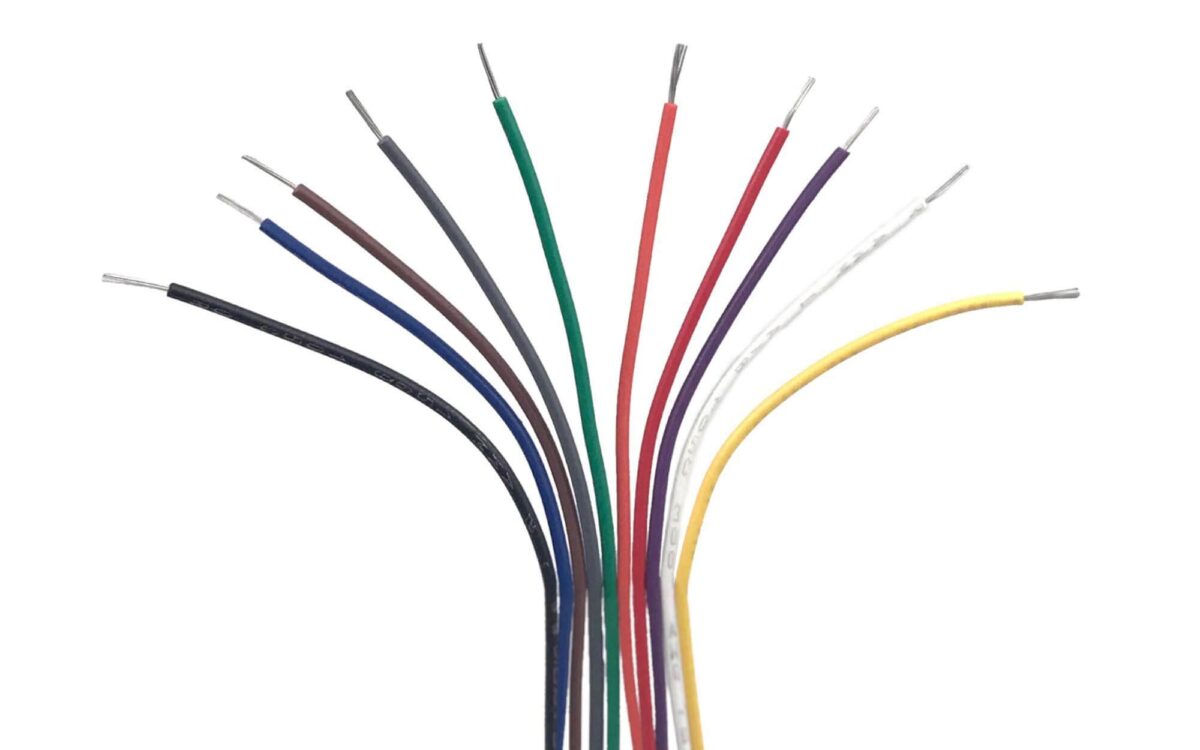
Hook Up Wire: A Complete Guide
Hook up wire is one of the most common types of electrical wire used in electronic devices, appliances, control panels, and industrial equipment. It’s designed for low-voltage, low-current applications, where flexible, insulated conductors are needed to connect internal components.
Read more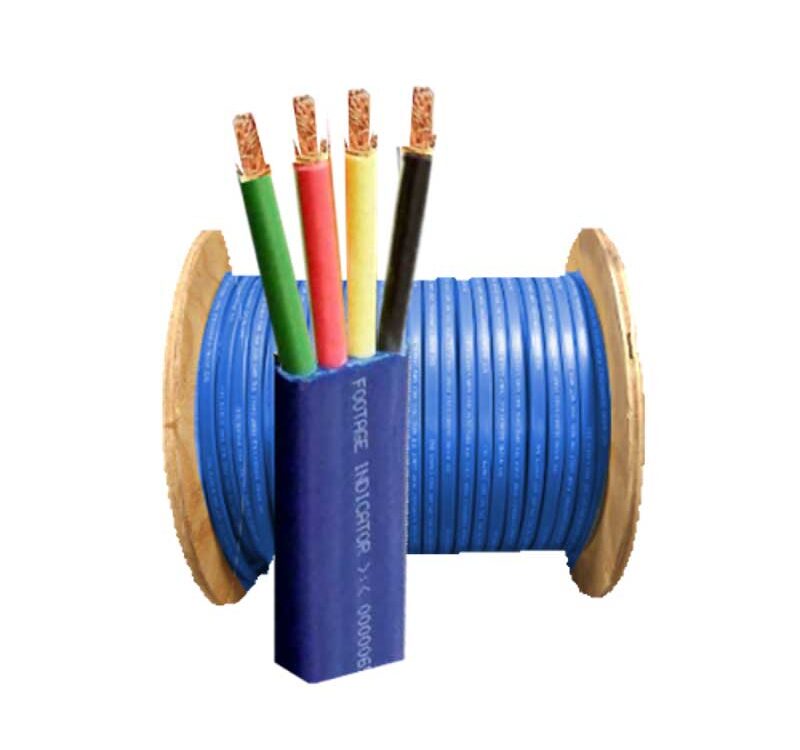
Underground Well Cable: Installation Tips & Troubleshooting
Properly installing your underground well pump wire is just as important as choosing the right one. This guide will walk you through key installation tips and help you troubleshoot common issues to ensure your well system stays operational.
Read more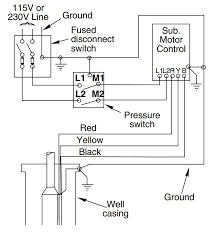
Submersible Pump Wiring Diagrams: A Guide for 2-Wire vs 3-Wire Systems
Whether you're a DIY homeowner or a professional installer, understanding your pump's wiring is essential. The two most common types of well pump wiring are 2-wire and 3-wire systems. This guide provides clear diagrams and explanations to help you get it right.
Read more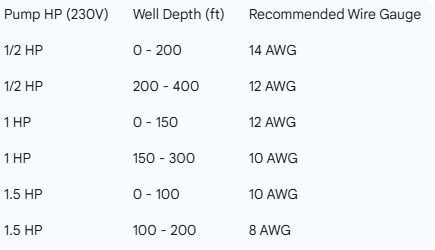
Submersible Pump Wire Sizing Guide: How to Choose the Right Gauge
Choosing the right submersible pump wire gauge is a critical step for a successful well installation. An undersized cable can cause a voltage drop, leading to your pump motor overheating, running inefficiently, and ultimately failing prematurely. This guide will help you select the correct size to ensure your system runs reliably for years.
Read more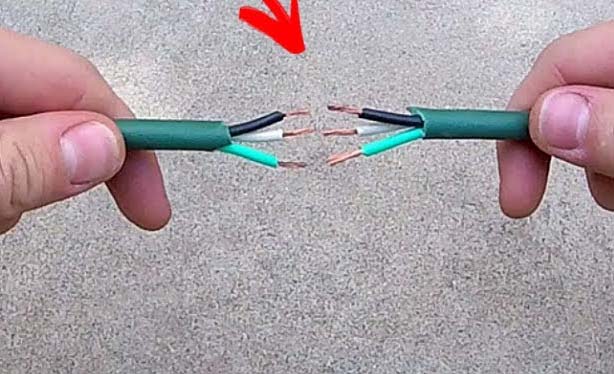
Fixing a Cut Power Cord: Step-by-Step Safety Guide
A cut or damaged power cord is not only inconvenient but also dangerous. Exposed or broken wires can cause electric shock, fire hazards, or damage to your device. While some minor issues can be repaired safely at home, in many cases the best solution is replacing the cord entirely.
Read more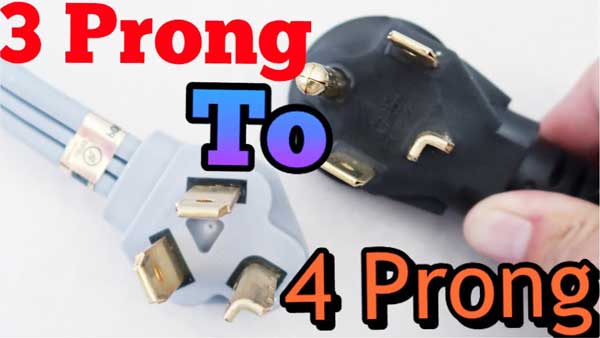
How to Convert a 3-Prong Dryer Cord to a 4-Prong: Upgrade for Better Safety
If you move into a newer home, you may discover that the laundry room has a 4-prong outlet, while your older dryer has a 3-prong cord. To meet modern electrical codes and improve safety, you’ll need to upgrade your dryer to a 4-prong cord.
Read more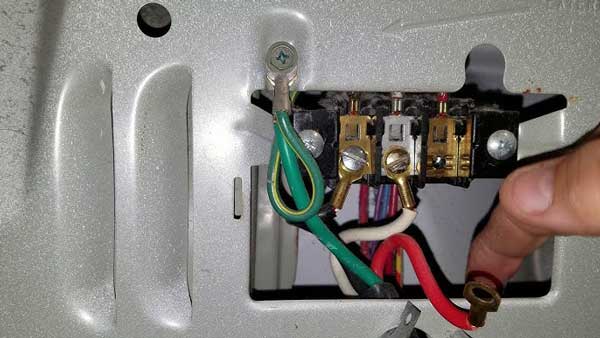
How to Change a 4-Prong Dryer Cord to a 3-Prong: Step-by-Step Guide with Wiring Diagram
Many homeowners run into this common problem: a new dryer comes with a 4-prong plug, but the outlet in an older home is a 3-prong receptacle. This mismatch exists because the National Electrical Code (NEC) was updated in 1996, requiring new homes to install 4-prong outlets for safety. Older homes, however, may still have 3-prong outlets.
Read more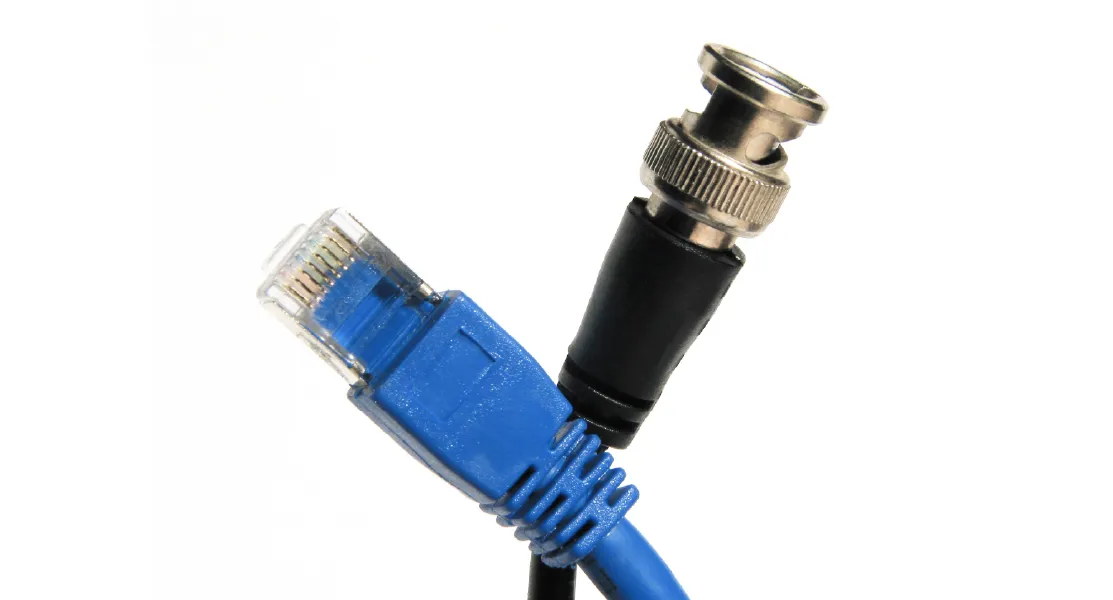
Coax Cable to Ethernet: How to Make the Connection
When setting up a home or office network, you may find yourself facing a common challenge: your internet service or existing wiring uses coaxial cables, while your devices require Ethernet connections. Since coax and Ethernet are different technologies, a simple plug adapter won’t work. Instead, you’ll need the right equipment to make the conversion.
Read more
When to Rewire a House? The Ultimate Guide to Electrical System Safety
The electrical wiring in your home isn't designed to last forever. Over time, it degrades and becomes outdated, posing a serious safety risk. So, how often should you rewire a house? And what are the telltale signs that you need to do it now?
Read more
Electrical Cord Repair Kits: An Essential Guide for DIY Enthusiasts
Damaged cords are an inevitable part of life, and the wide variety of electrical cord repair kits on the market offers a convenient solution for DIY enthusiasts. But with so many options available, how do you choose the right one?
Read more- Low Voltage Cables – LV
- Medium Voltage Cables – MV
- High Voltage Cables-HV
- Steel Wire Armored Cable (SWA Cable)
- XLPE Insulated Power Cables
- Mineral Insulated Cable (MICC/MI Cable)
- TPS Cable
- Control Cable
- Instrumentation Cable
- Coaxial Cable
- VFD Cable
- Computer Cable
- Electrical Wire
- MC Cable
- NM-B (Non-Metallic Sheathed) Copper Wire
- UF-B Underground Feeder Cable
- MTW Wire
- Prefabricated branch cables
- 4/0 Type W Cable
- Trunk Trailer ABS Cable
- SO Cable
- LSZH Cable
- Copper Ground Rods
- Copper Clad Steel Antenna Wire
- High Temperature Wire
- EV Automotive High Voltage Silicone Rubber Cable
- Submersible Pump Wire
- Floating cable
- LC to LC Fiber Patch Cables
- Flexible Cable
- Drag Chain Cables
- Silicone Rubber Low Temperature Resistant Cable
- All-Aluminum Conductors for Overhead Power Lines
- Aerial Bundled Cable (ABC Cable)
- Aerial Insulation Line (AIL)
- Bare Stranded Conductors
- Wind Farm Cables
- Overhead Service Drop Cable
- Concentric Service Cable
- Telephone Drop Cable
- Solar PV Cable
Recent Posts


