
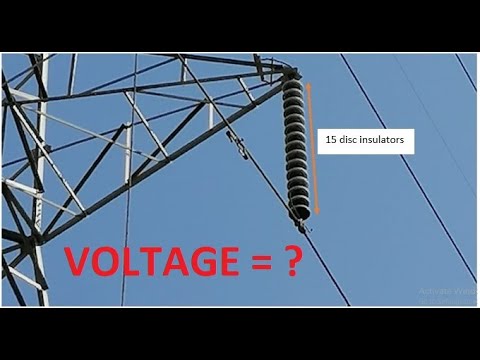
How to Identify Voltage of Power Lines?
Power lines carry electricity at different voltage levels depending on their purpose—ranging from low-voltage service lines to high-voltage transmission lines. Understanding these voltage levels is important for safety and awareness, especially if you work near power lines or simply want to identify them from a distance.
Read more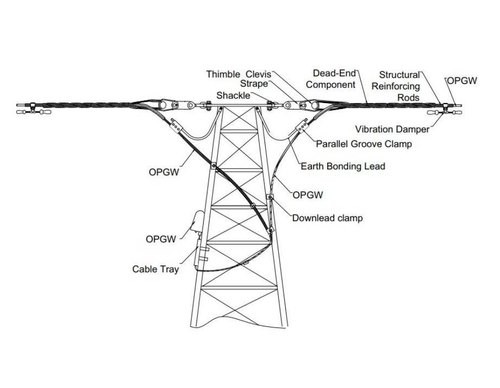
Overhead Ground Wire vs OPGW: What’s the Difference?
Overhead power transmission lines often require ground wires for lightning protection. However, modern grids sometimes use Optical Ground Wire (OPGW), which combines grounding and communication in a single cable. If you’re wondering about the differences, this guide breaks it down for you.
Read more
What Is an Overhead Ground Wire?
An overhead ground wire (often called a shield wire or earth wire) is a wire or cable installed above electrical transmission lines to protect the power system from lightning strikes and ensure proper grounding. It is not used for carrying electrical power but for safety and protection.
Read more
What Is a Conductor of Electricity?
A conductor of electricity is a material that allows the easy flow of electric current. Conductors have free electrons that can move through the material, making them ideal for transmitting electricity. They are widely used in wires, cables, and electrical components.
Read more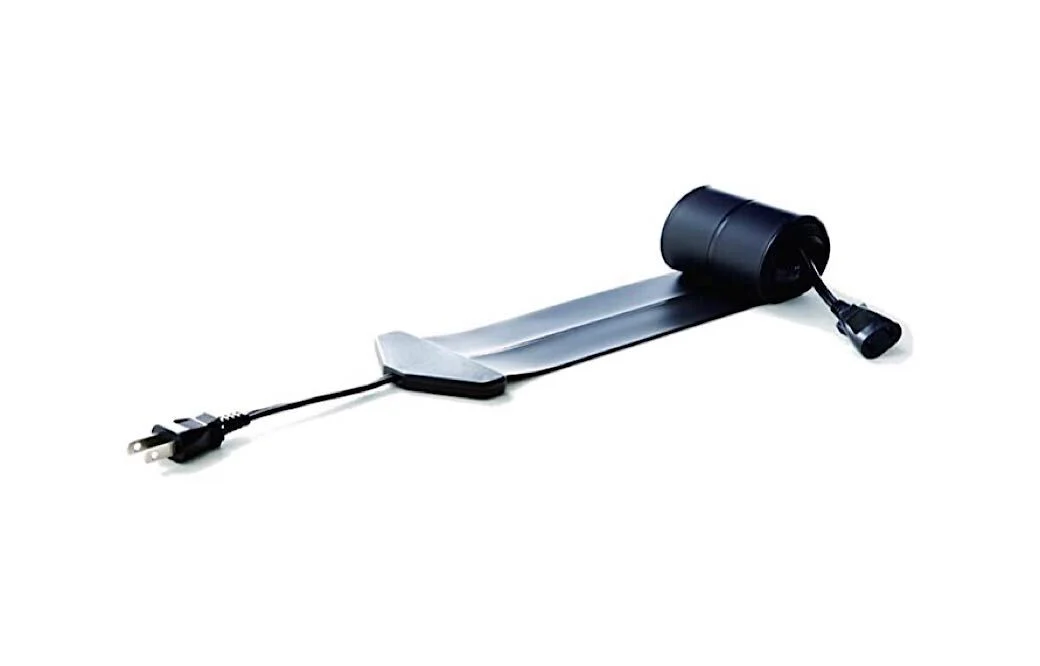
Extension Cord for Under Rug or Carpet: Safety and Best Options
Running an extension cord under a rug or carpet might seem like an easy way to hide cables and keep a room looking neat. However, it’s not always safe to do this with regular extension cords. In this article, we’ll explain the risks, safe alternatives, and recommended products if you need an extension cord for under carpet or rugs.
Read more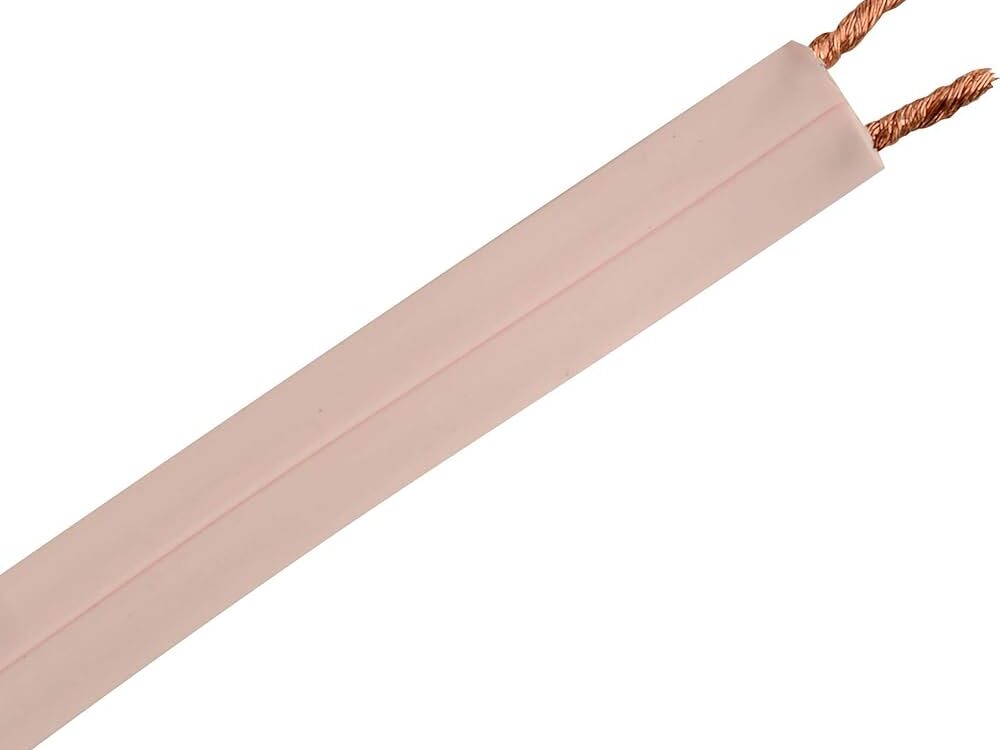
Flat Wire Under Carpet: The Ultimate Guide to Hidden Wiring
If you want a clean, cable-free look for your home theater, office, or sound system, flat wire under carpet is the perfect solution. Unlike traditional round cables, flat wires are ultra-thin, flexible, and designed for discreet installations. This makes them ideal for routing speaker wires, Ethernet cables, and power cords under carpets or rugs without creating noticeable bumps.
Read more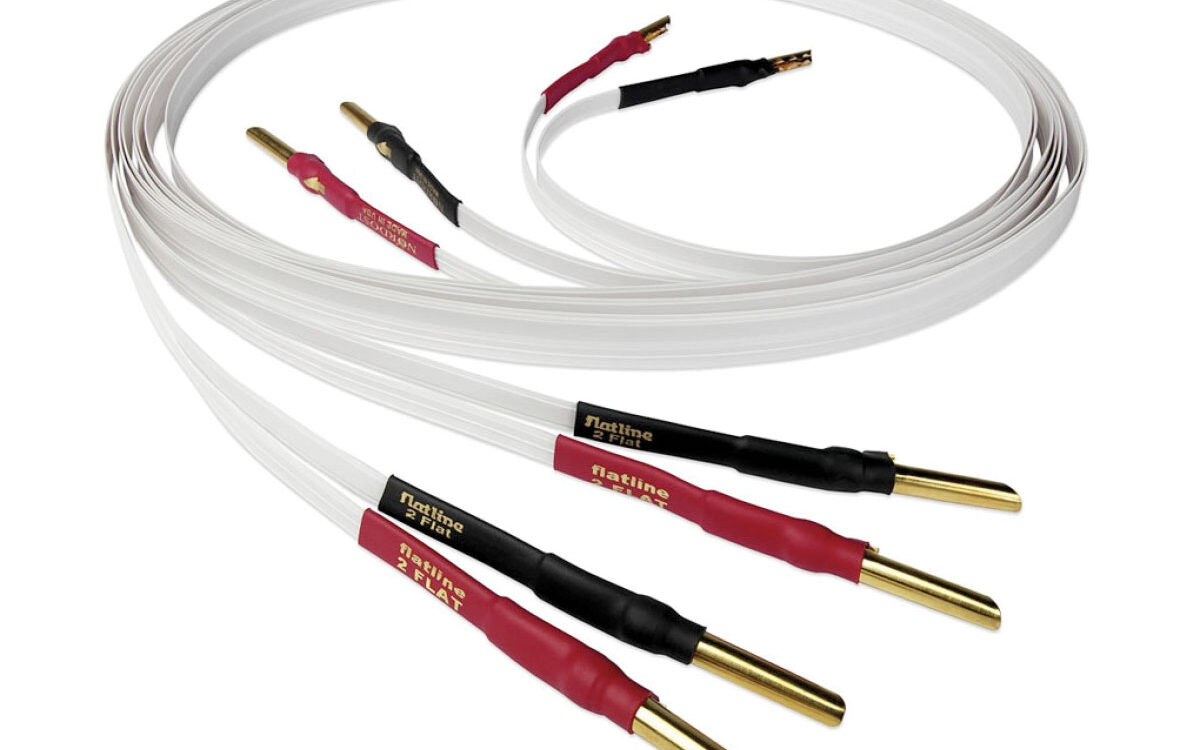
Flat Wire Speaker Cable: A Space-Saving Solution for Sleek Audio Setups
When you want high-quality sound without visible cables ruining your room’s aesthetics, flat wire speaker cables are the perfect solution. These cables are thin, flexible, and designed to run under carpets, along walls, or even beneath wallpaper, making them ideal for home theaters and custom audio installations.
Read more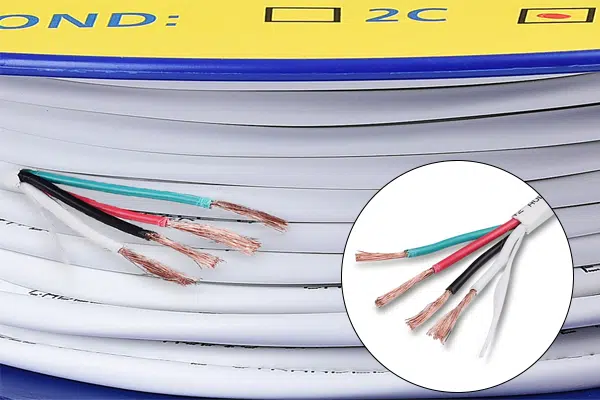
In-Wall Speaker Wires: Everything You Need to Know Before Installation
When setting up a home theater or a whole-house audio system, choosing the right in-wall speaker wire is crucial. Unlike regular speaker wire, in-wall wiring must meet safety codes, provide clear sound quality, and be easy to install inside walls. This guide will cover what in-wall speaker wires are, the best types, and how to choose the right one for your project.
Read more
Types of MC Cable: A Complete Guide for Electricians and Homeowners
Metal-Clad (MC) cable is a popular choice for residential, commercial, and industrial wiring because it combines flexibility, protection, and code compliance. But did you know there are multiple types of MC cable, each designed for specific applications? This guide will break down the main MC cable types, their construction, and where to use them.
Read more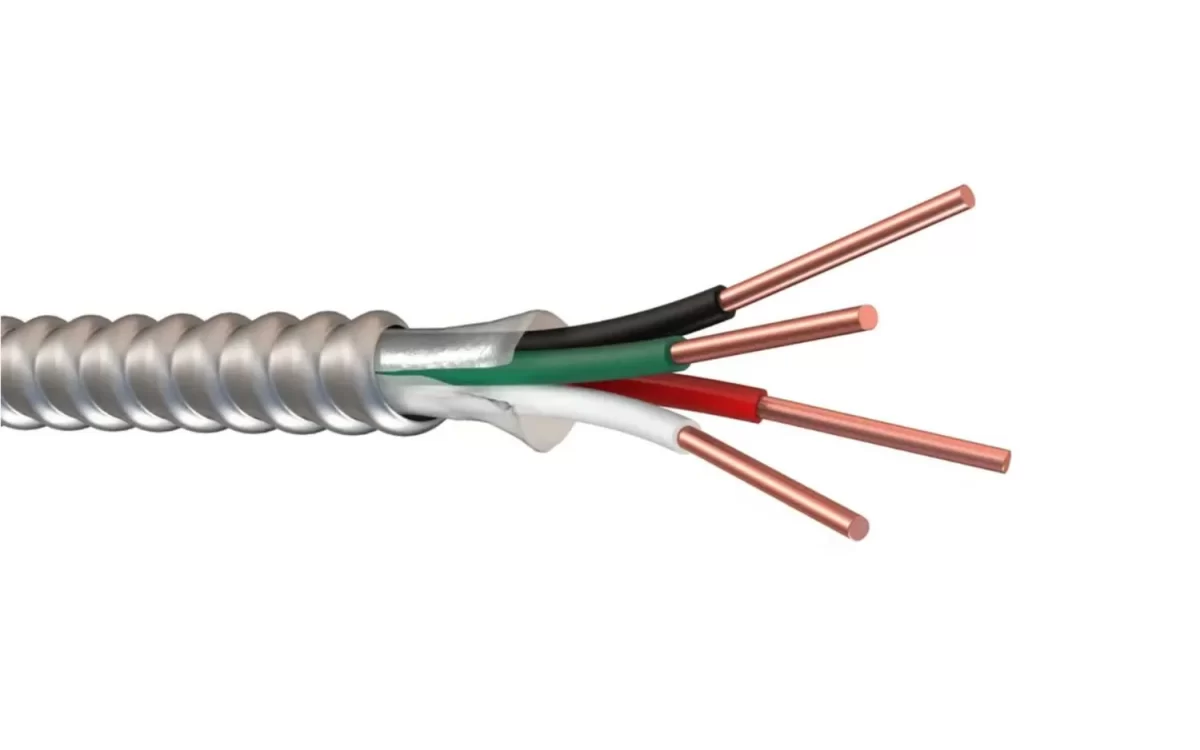
What is MC Electrical Cable? A Complete Guide
When working on electrical installations, you may come across the term MC cable. But what exactly does it mean, and when should you use it? This guide explains everything you need to know about MC electrical cable—its definition, components, uses, and safety benefits.
Read more- Low Voltage Cables – LV
- Medium Voltage Cables – MV
- High Voltage Cables-HV
- Steel Wire Armored Cable (SWA Cable)
- XLPE Insulated Power Cables
- Mineral Insulated Cable (MICC/MI Cable)
- TPS Cable
- Control Cable
- Instrumentation Cable
- Coaxial Cable
- VFD Cable
- Computer Cable
- Electrical Wire
- MC Cable
- NM-B (Non-Metallic Sheathed) Copper Wire
- UF-B Underground Feeder Cable
- MTW Wire
- Prefabricated branch cables
- 4/0 Type W Cable
- Trunk Trailer ABS Cable
- SO Cable
- LSZH Cable
- Copper Ground Rods
- Copper Clad Steel Antenna Wire
- High Temperature Wire
- EV Automotive High Voltage Silicone Rubber Cable
- Submersible Pump Wire
- Floating cable
- LC to LC Fiber Patch Cables
- Flexible Cable
- Drag Chain Cables
- Silicone Rubber Low Temperature Resistant Cable
- All-Aluminum Conductors for Overhead Power Lines
- Aerial Bundled Cable (ABC Cable)
- Aerial Insulation Line (AIL)
- Bare Stranded Conductors
- Wind Farm Cables
- Overhead Service Drop Cable
- Concentric Service Cable
- Telephone Drop Cable
- Solar PV Cable
Recent Posts


