

MTW vs THHN – What’s the Difference?
When selecting the right wire for your industrial or electrical project, two common types often come up: MTW wire and THHN wire. Both are widely used and UL-listed, but they serve different purposes based on insulation, flexibility, temperature rating, and environmental resistance. So, what's the difference between MTW and THHN wire?
Read more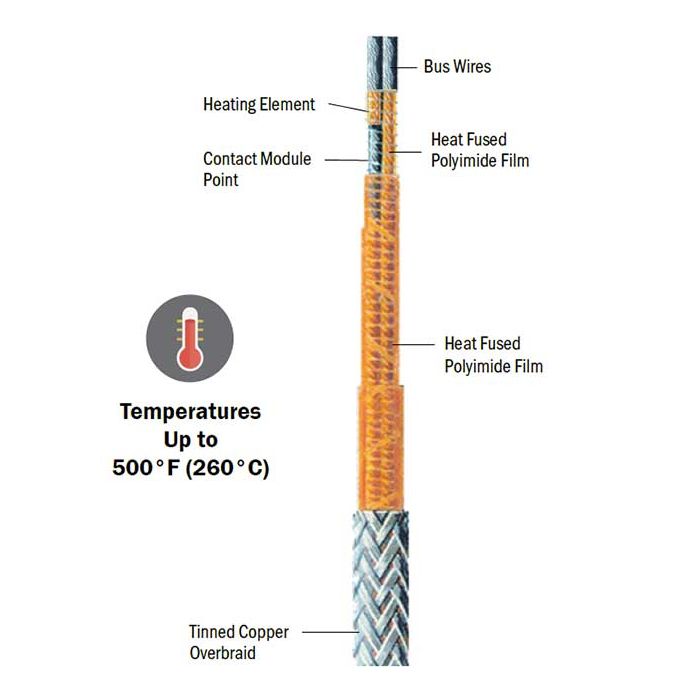
High Temp Wire for Heating Elements: What You Need to Know
When working with heating elements, whether in industrial furnaces, ovens, or custom DIY heating projects, high temp wire is a critical component that ensures both safety and reliable performance. Choosing the right high temperature wire for heating elements isn’t just about heat resistance — it’s about matching the wire’s electrical and thermal properties to your specific application.
Read more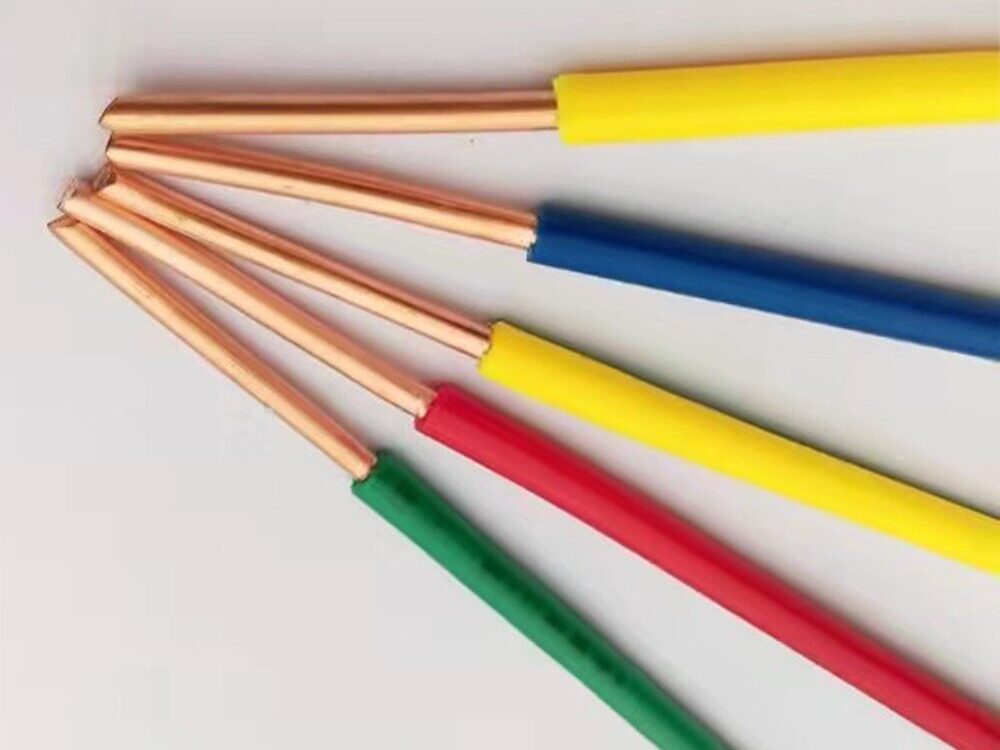
Thin Copper Wire Insulated – Flexible, Durable, and Precise
Thin copper wire insulated is a popular choice across a wide range of industries where space, flexibility, and low-voltage performance matter. These small-diameter copper wires—typically 20 AWG and finer—are insulated with high-quality materials to ensure safe, consistent operation in demanding environments.
Read more
Understanding Copper Scrap Grades: What’s the Difference Between #1 and #2 Insulated Copper Wire?
Copper is one of the most valuable materials in the scrap industry due to its excellent conductivity and recyclability. However, not all copper scrap is created equal. Scrap copper is categorized into different grades based on its purity, appearance, and insulation type, which directly affects its market value.
Read more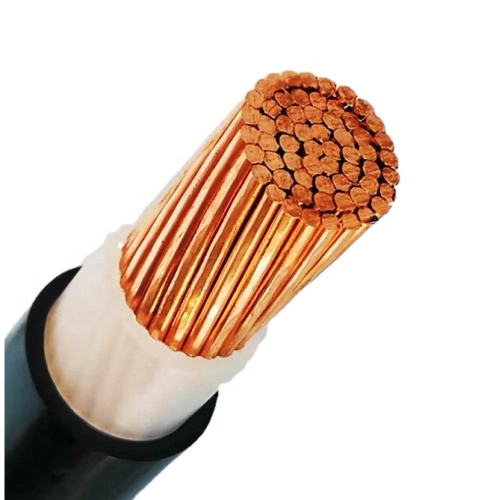
Insulated Copper Wire Price: What You Need to Know Before Buying
Whether you're a contractor, electrician, scrap seller, or DIY homeowner, understanding the insulated copper wire price is crucial for budgeting, purchasing, or recycling. Copper is a valuable metal, and the insulation adds both functional value and price variability.
Read more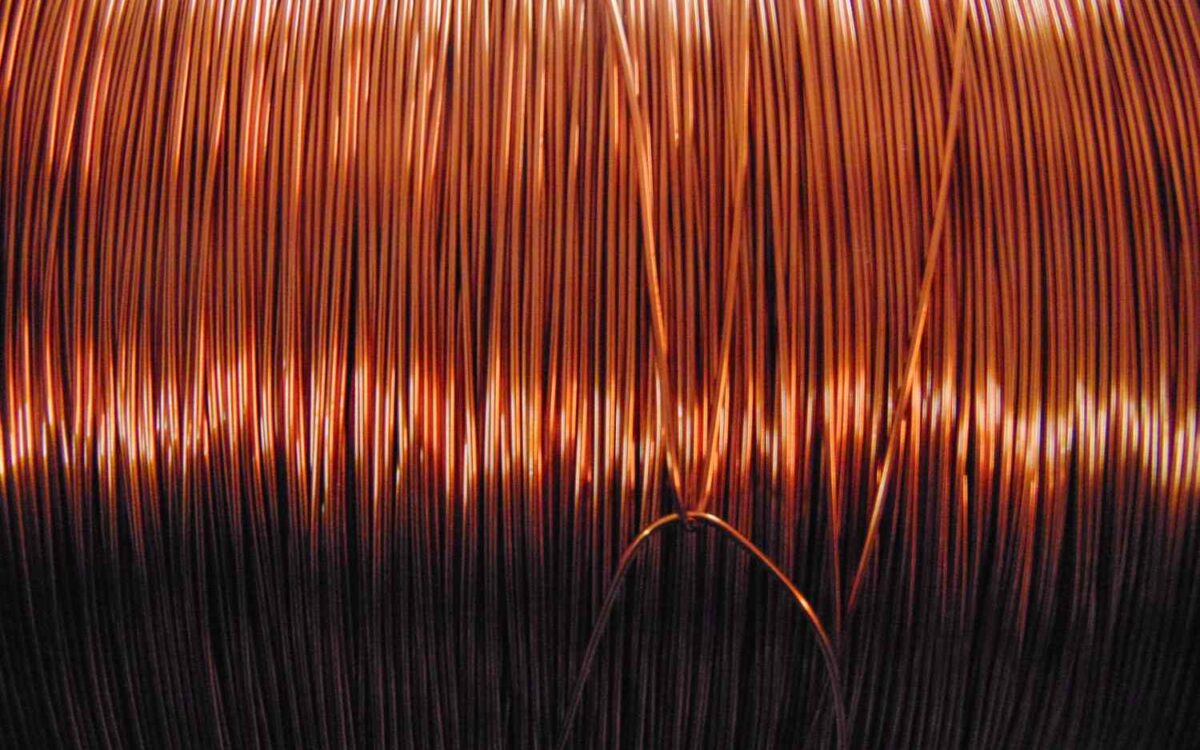
Is Copper Wire a Conductor or Insulator?
When it comes to electrical wiring, one of the most commonly asked questions is: "Is copper wire a conductor or insulator?" The short and clear answer is: Copper wire is a conductor — and one of the best ones available. But to understand why, let’s break it down in a way that’s useful whether you’re a student, DIY enthusiast, or someone simply curious about how electricity works.
Read more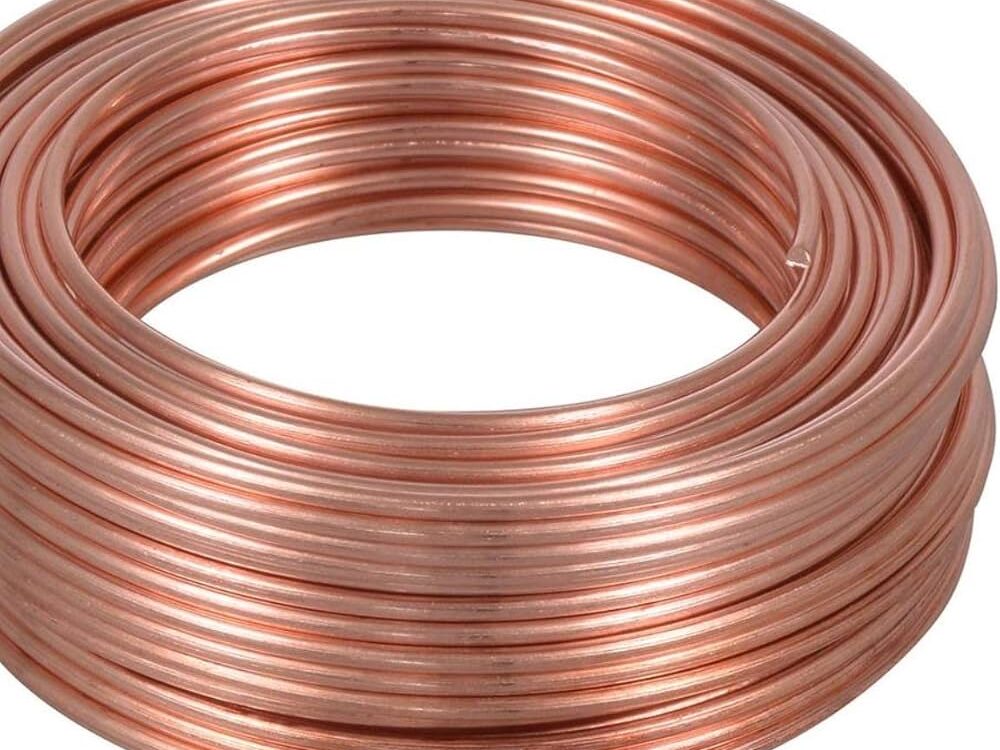
Solid Bare Copper Wire: Properties, Applications, and Buying Guide
Solid bare copper wire is one of the most widely used conductors in the electrical industry. Known for its high conductivity, durability, and versatility, it serves as a foundational material for grounding, bonding, and electrical installations in both residential and industrial settings.
Read more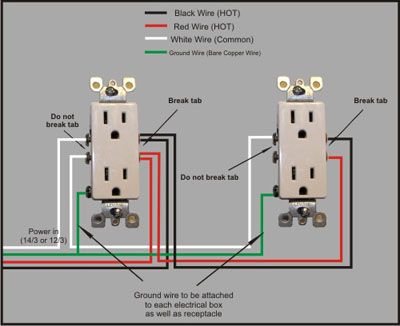
Basic Electrical Outlet Wiring Diagram for House: A Beginner’s Guide
Understanding how electrical outlets are wired is essential for any homeowner, DIY enthusiast, or electrical apprentice. Whether you’re replacing an old outlet or adding a new one, learning the basics of house electrical outlet wiring ensures safety, code compliance, and functionality. This guide explains outlet wiring using simple terms, step-by-step visuals, and a basic wiring diagram to help beginners get started.
Read more
Electrical Wiring Diagram for Houses: Complete Guide for Homeowners and Electricians
An electrical wiring diagram for a house is a schematic blueprint that illustrates how electrical circuits, components, and systems are interconnected within a residential building. These diagrams are critical for safe, efficient installations, renovations, and troubleshooting. Whether you're a homeowner, electrician, or contractor, understanding wiring diagrams is key to ensuring code-compliant and reliable electrical systems.
Read more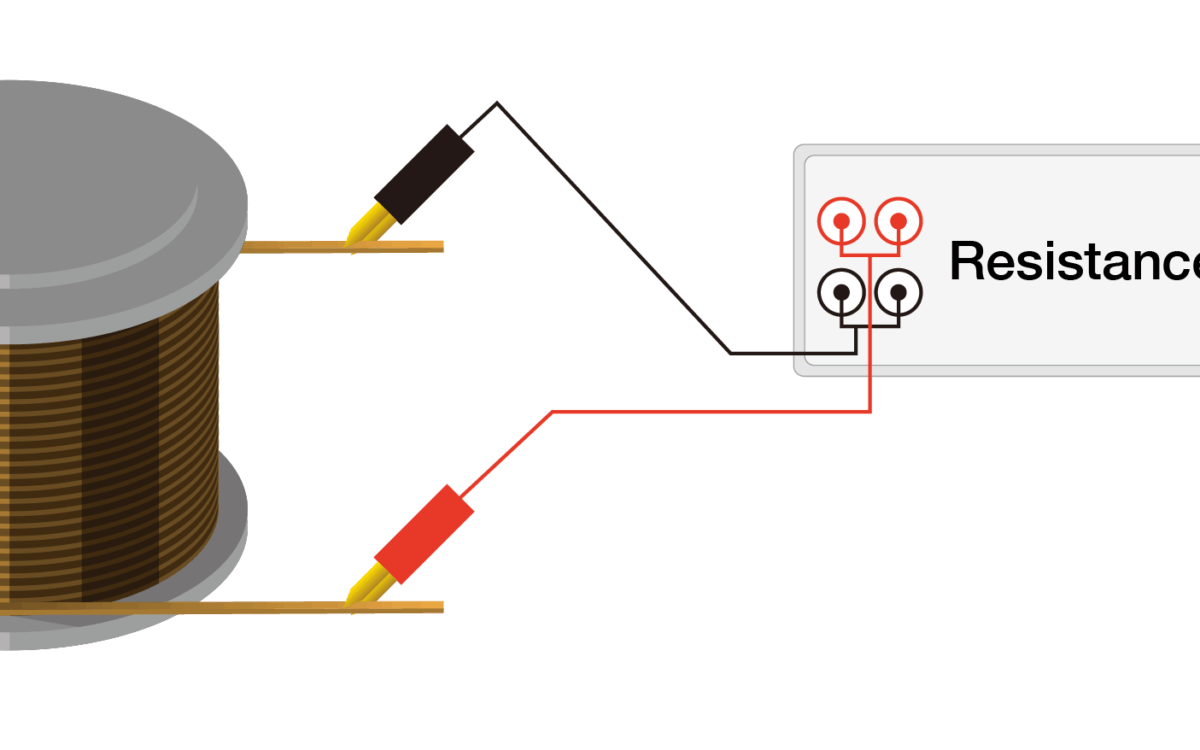
Copper Wire Resistance: How It Works, Why It Matters & How to Calculate It
Copper is one of the most widely used conductors in electrical wiring, prized for its low resistance and excellent conductivity. But even copper has resistance — and understanding copper wire resistance is critical for electrical engineers, electricians, and anyone working with wiring systems. In this article, we explain what copper wire resistance is, how it affects performance, and how to calculate it for different wire sizes and lengths.
Read more- Low Voltage Cables – LV
- Medium Voltage Cables – MV
- High Voltage Cables-HV
- Steel Wire Armored Cable (SWA Cable)
- XLPE Insulated Power Cables
- Mineral Insulated Cable (MICC/MI Cable)
- TPS Cable
- Control Cable
- Instrumentation Cable
- Coaxial Cable
- VFD Cable
- Computer Cable
- Electrical Wire
- MC Cable
- NM-B (Non-Metallic Sheathed) Copper Wire
- UF-B Underground Feeder Cable
- MTW Wire
- Prefabricated branch cables
- 4/0 Type W Cable
- Trunk Trailer ABS Cable
- SO Cable
- LSZH Cable
- Copper Ground Rods
- Copper Clad Steel Antenna Wire
- High Temperature Wire
- EV Automotive High Voltage Silicone Rubber Cable
- Submersible Pump Wire
- Floating cable
- LC to LC Fiber Patch Cables
- Flexible Cable
- Drag Chain Cables
- Silicone Rubber Low Temperature Resistant Cable
- All-Aluminum Conductors for Overhead Power Lines
- Aerial Bundled Cable (ABC Cable)
- Aerial Insulation Line (AIL)
- Bare Stranded Conductors
- Wind Farm Cables
- Overhead Service Drop Cable
- Concentric Service Cable
- Telephone Drop Cable
- Solar PV Cable
Recent Posts


