
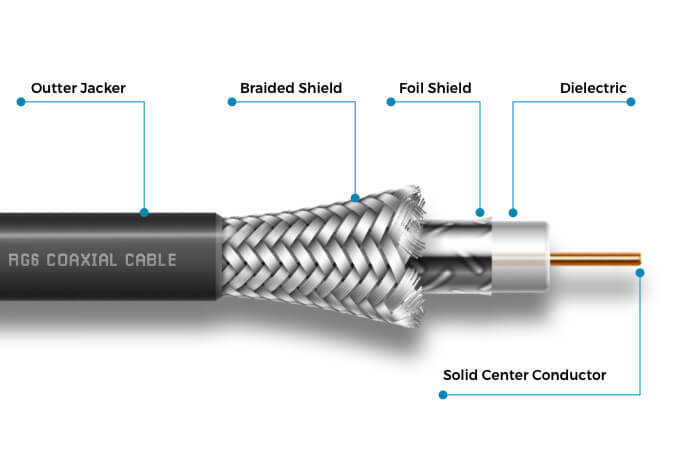
What Is RG6 Coax Cable Used For: Complete Applications Guide
RG6 coaxial cable is one of the most versatile and widely used cables in modern telecommunications and entertainment systems. Understanding its applications can help you determine if it's the right choice for your project and ensure optimal performance for your specific needs.
Read more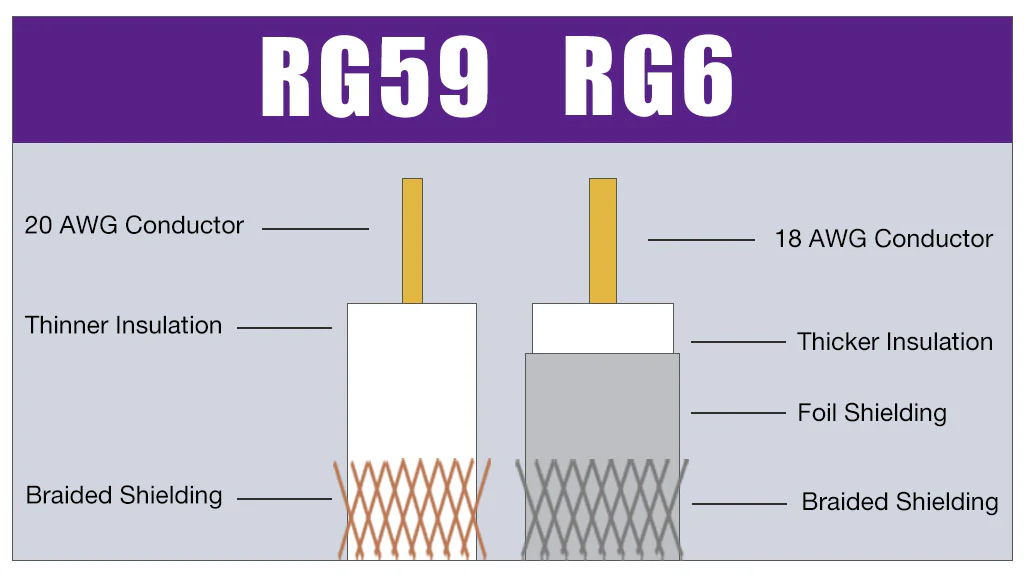
RG59 vs RG6: The Complete Guide to Choosing the Right Coaxial Cable
When setting up cable TV, internet, or security camera systems, choosing the right coaxial cable can make a significant difference in signal quality and performance. Two of the most common types you'll encounter are RG59 and RG6 cables. Understanding their differences will help you make an informed decision for your specific needs.
Read more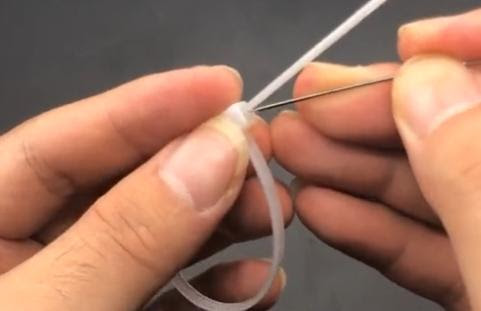
Cable Ties: How to Undo Them Without Cutting
Cable ties (also called zip ties) are one of the simplest and most effective ways to manage wires, cables, and bundles. But once they’re locked in place, many people assume the only way to remove them is by cutting — not true! In this article, we’ll show you how to undo cable ties without damaging them, so you can reuse them when needed.
Read more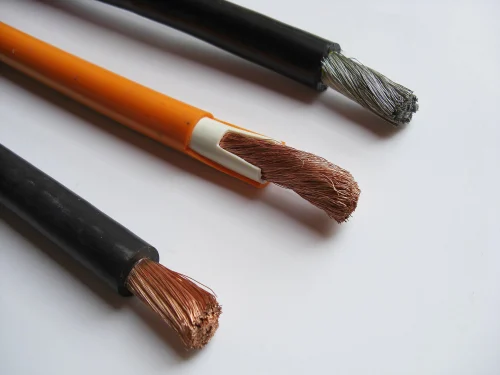
Why Is Copper Better Than Aluminum for Welding Cables?
When it comes to choosing welding cables, one of the most important decisions is selecting the right conductor material: copper or aluminum. While both metals are used in electrical applications, copper is widely considered the better choice for welding cables — and for good reason. In this article, we’ll explain why copper is better than aluminum for welding cables, covering conductivity, flexibility, durability, safety, and more.
Read more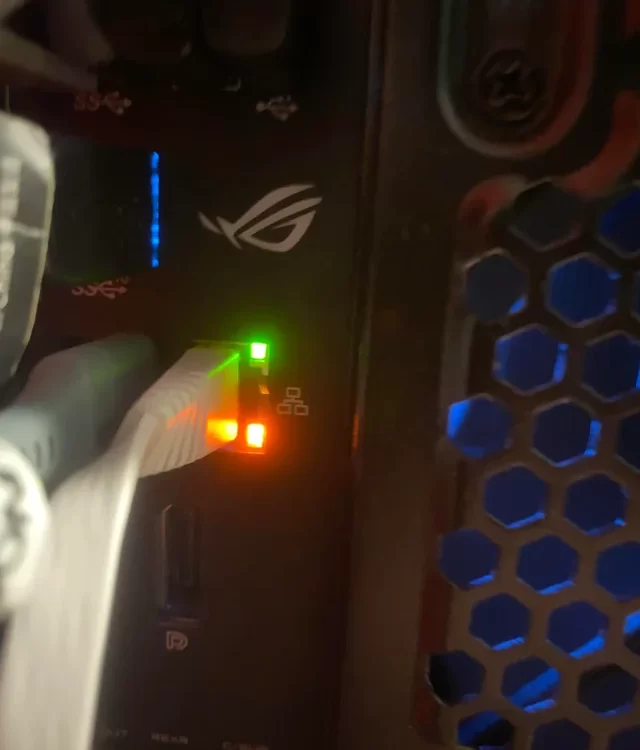
Why Is My Ethernet Cable Blinking Orange? What It Means & What to Do
If you've noticed that your Ethernet cable is blinking orange, you're not alone. Many users wonder what that orange or amber light on their Ethernet port means — and whether it's a sign of a problem. In this guide, we'll explain what the blinking orange light indicates, how to troubleshoot it, and when it might be time to replace your Ethernet cable.
Read more
Why Do Cats Chew Cables? Understanding the Behavior and How to Protect Your Wires
If you’re a cat owner, you’ve probably experienced the frustration of finding chewed-up cables behind your TV, under your desk, or near your router. But why do cats chew cables, and more importantly, how can you protect your wires — and your pet?
Read more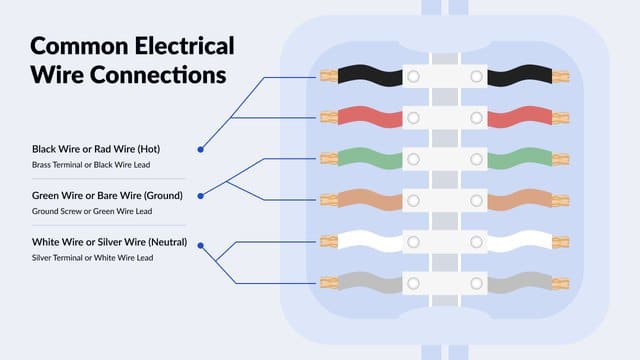
What Color Wires Are Hot? A Simple Guide to Electrical Wire Color Codes
Black wires are typically used for hot wires, white wires for neutral, and green or bare wires for ground.
Read more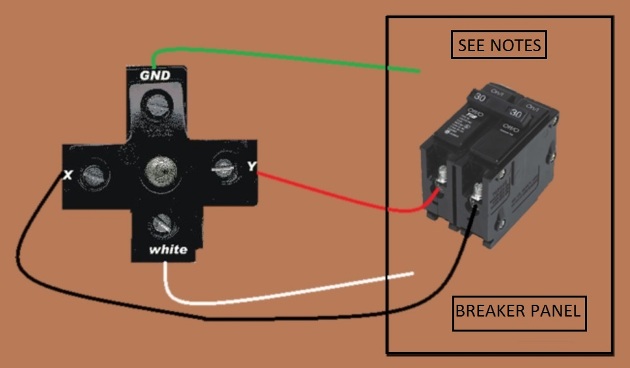
What Size Wire for Dryer? A Simple Guide for Safe Installation
Choosing the correct dryer wire size isn’t just about performance—it’s also about safety and compliance with electrical codes. In this guide, we’ll walk you through the basics of wire sizing for both electric and gas dryers, and help you avoid costly or dangerous mistakes.
Read more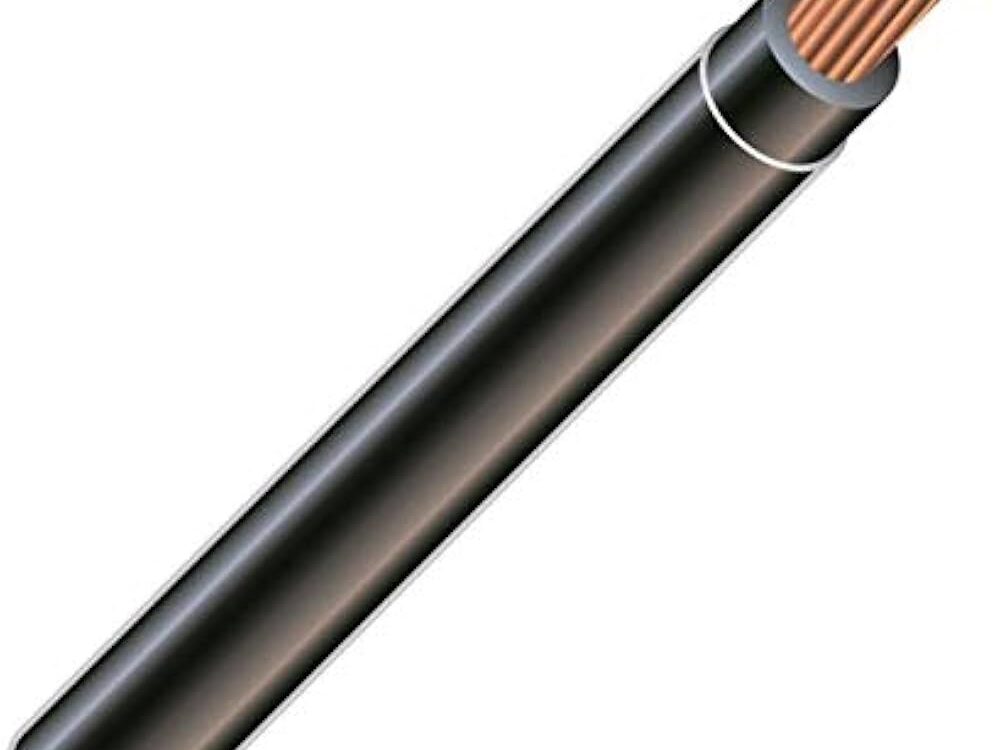
What Is THHN Wire? Everything You Need to Know
In this guide, we’ll explain what THHN wire is, its key features, where it’s used, and how it compares to other common types of electrical wire. Whether you're an electrician, contractor, or DIYer, this article will help you choose the right wire for the job.
Read more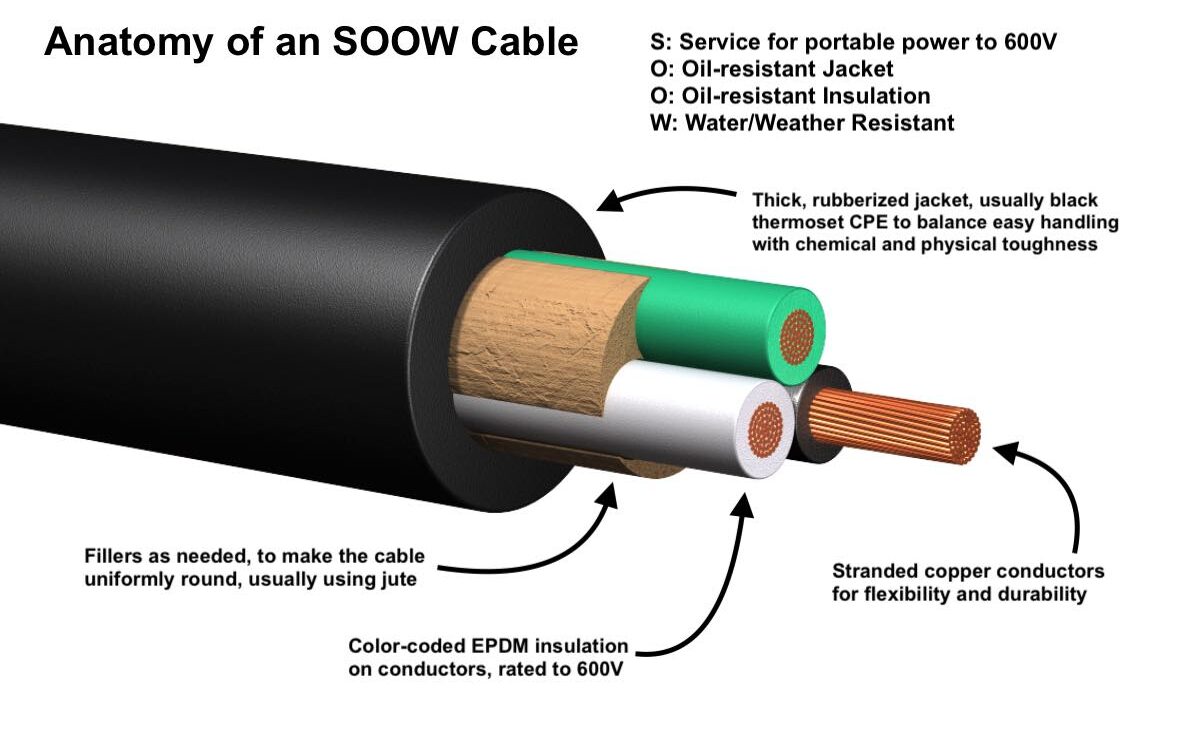
SO vs SOOW Cable: What’s the Difference and Which One Should You Use?
If you're working with portable power cables, you've likely come across both SO and SOOW cables. While they sound similar, they have important differences that affect their performance, safety, and suitable applications. In this guide, we’ll break down the difference between SO and SOOW cables, help you understand when to use each type, and provide answers to frequently asked questions from buyers, contractors, and engineers.
Read more- Low Voltage Cables – LV
- Medium Voltage Cables – MV
- High Voltage Cables-HV
- Steel Wire Armored Cable (SWA Cable)
- XLPE Insulated Power Cables
- Mineral Insulated Cable (MICC/MI Cable)
- TPS Cable
- Control Cable
- Instrumentation Cable
- Coaxial Cable
- VFD Cable
- Computer Cable
- Electrical Wire
- MC Cable
- NM-B (Non-Metallic Sheathed) Copper Wire
- UF-B Underground Feeder Cable
- MTW Wire
- Prefabricated branch cables
- 4/0 Type W Cable
- Trunk Trailer ABS Cable
- SO Cable
- LSZH Cable
- Copper Ground Rods
- Copper Clad Steel Antenna Wire
- High Temperature Wire
- EV Automotive High Voltage Silicone Rubber Cable
- Submersible Pump Wire
- Floating cable
- LC to LC Fiber Patch Cables
- Flexible Cable
- Drag Chain Cables
- Silicone Rubber Low Temperature Resistant Cable
- All-Aluminum Conductors for Overhead Power Lines
- Aerial Bundled Cable (ABC Cable)
- Aerial Insulation Line (AIL)
- Bare Stranded Conductors
- Wind Farm Cables
- Overhead Service Drop Cable
- Concentric Service Cable
- Telephone Drop Cable
- Solar PV Cable
Recent Posts


