
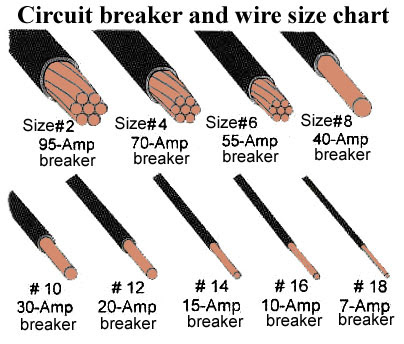
What Gauge Wire for 15 Amp Circuit: Complete Homeowner's Guide
For standard 15 amp electrical circuits, you need: 14 AWG copper wire for most residential applications 12 AWG aluminum wire (rarely used in residential branch circuits) 12 AWG copper wire for long runs or special conditions 14 AWG copper wire is the standard and most cost-effective choice for typical 15 amp circuit installations.
Read more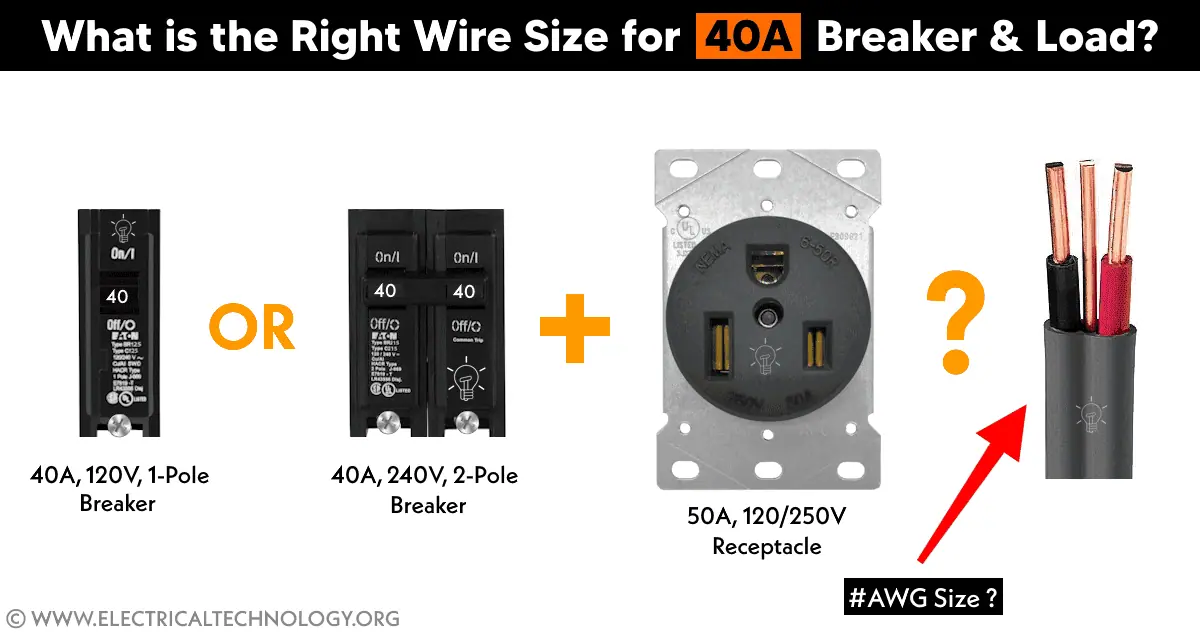
What Size Wire for 40 Amp Breaker: Complete Installation Guide
For standard 40 amp electrical circuits, you need: 8 AWG copper wire for most residential applications 6 AWG aluminum wire for equivalent ampacity 6 AWG copper wire for long runs or high-temperature conditions These sizes meet National Electrical Code (NEC) requirements and provide safe operation under normal conditions.
Read more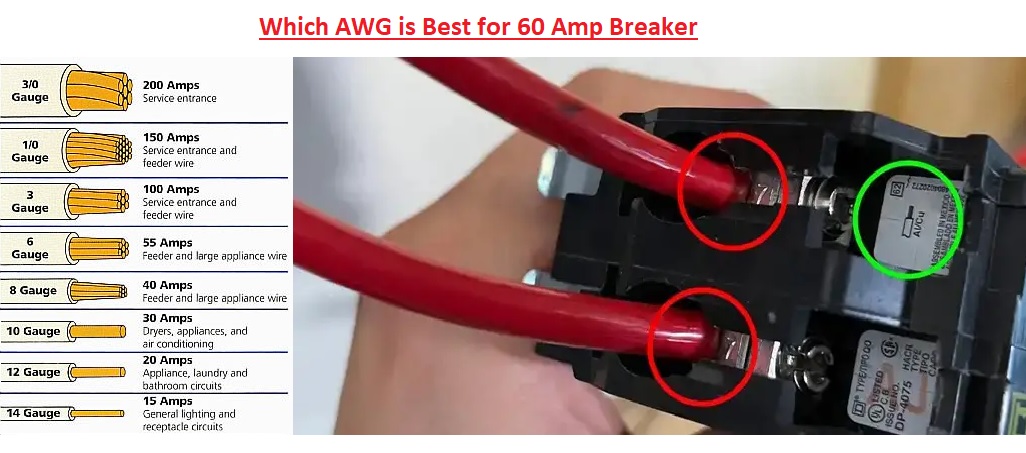
What Size Wire for 60 Amp Circuit: Complete Installation Guide
For standard 60 amp electrical circuits, you need: 6 AWG copper wire for most applications 4 AWG aluminum wire for equivalent ampacity 4 AWG copper wire for long runs or high-temperature conditions These sizes apply to typical residential installations with standard temperature ratings and distances up to 100 feet.
Read more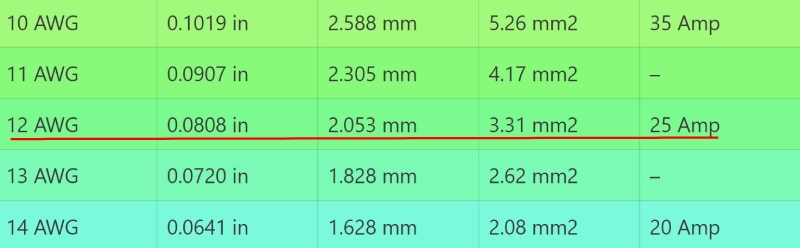
What Gauge Wire for 20 Amp Circuit: Complete Homeowner's Guide
Choosing the correct wire gauge for a 20 amp circuit is essential for electrical safety and code compliance. Using the wrong wire size can lead to overheating, fire hazards, and electrical system failures. This comprehensive guide explains everything you need to know about 20 amp wire sizing.
Read more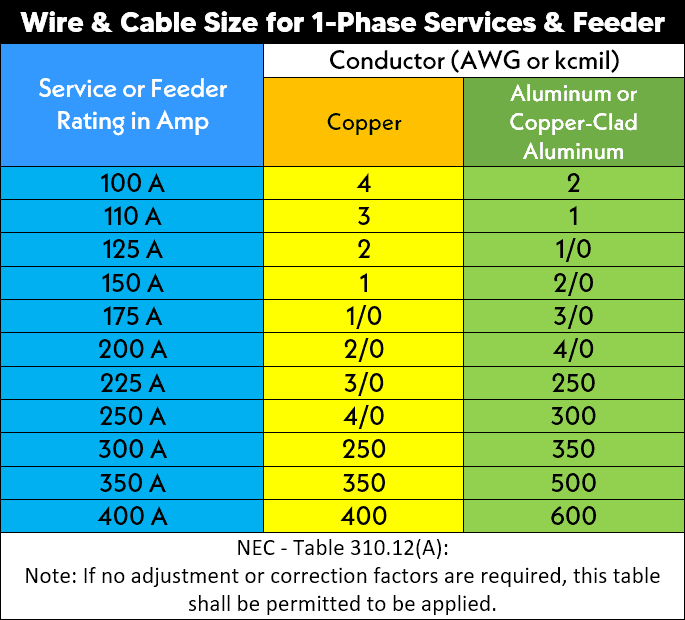
What Size Wire for 200 Amp Service: Complete Guide for Homeowners
When upgrading your home's electrical system to 200 amp service, choosing the correct wire size is crucial for safety, code compliance, and optimal performance. This comprehensive guide will help you understand wire sizing requirements, factors that affect your choice, and why professional installation matters.
Read more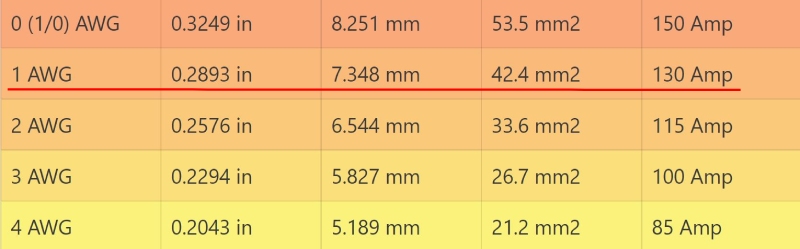
Major Electrical Upgrade Trend: What Size Service Wire for 100 Amp Service as Home Power Demands Reach New Heights
Current National Electrical Code (NEC) standards specify clear requirements for 100-amp service wire sizing. The standard answer to what size service wire for 100 amp service is 4 AWG copper wire or 2 AWG aluminum wire for the hot conductors, with appropriate neutral and grounding conductors. However, many electrical professionals recommend upgrading to 3 AWG copper or 1 AWG aluminum to provide better voltage regulation and accommodate future electrical load growth.
Read more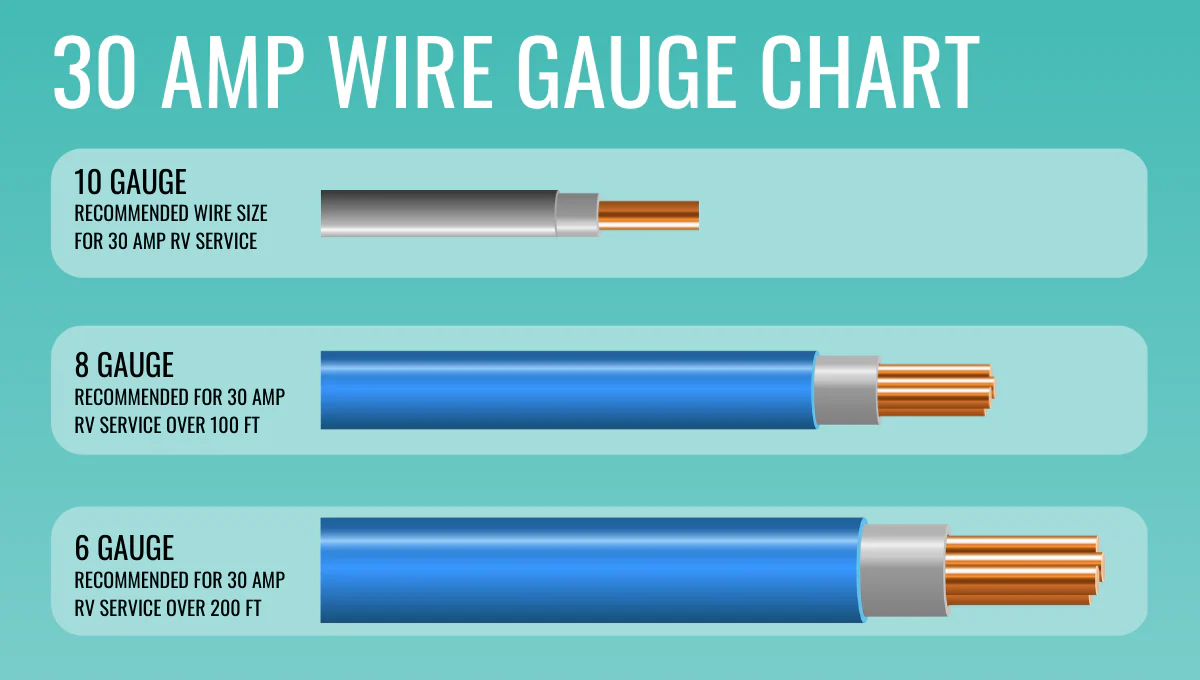
Electrical Code Updates Clarify What Gauge Wire for 30 Amp Circuits as Home Workshop Installations Boom
According to current National Electrical Code (NEC) standards, the correct wire size for 30 amp circuits is 10 AWG copper wire for most residential applications. However, many professionals recommend 8 AWG copper wire to provide additional safety margin and better performance.
Read more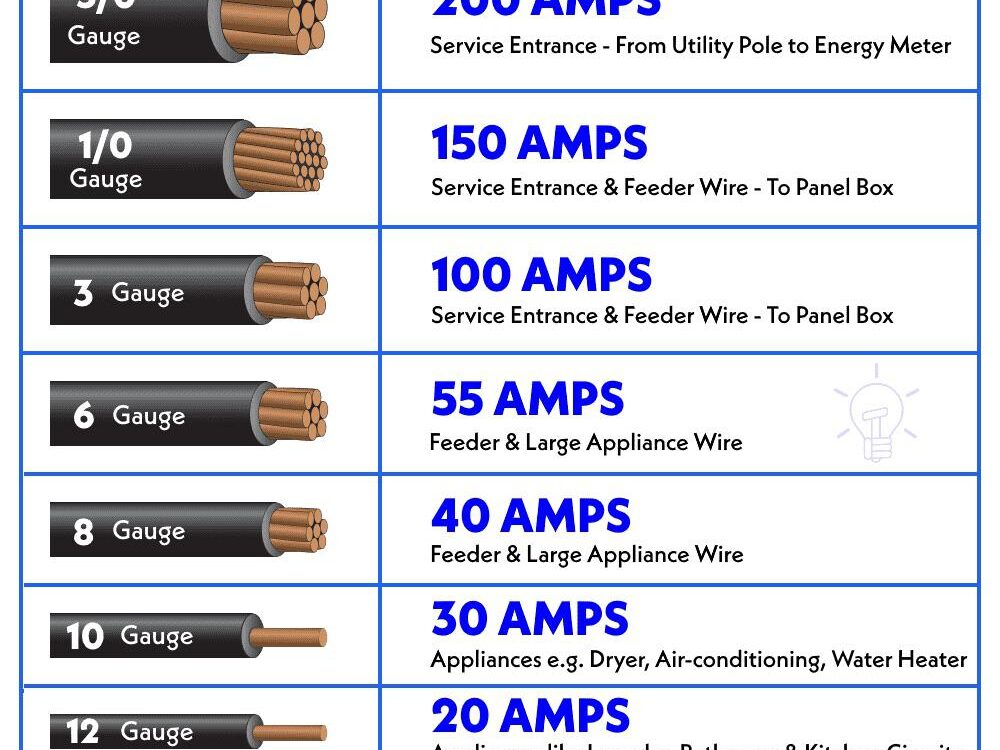
Electrical Safety Alert: New Guidelines Clarify What Size Wire for 50 Amp Circuits as Home Power Demands Surge
Current electrical code standards specify that 6 AWG copper wire is the standard choice for most 50-amp residential applications. This wire gauge provides a 65-amp capacity, offering the necessary safety margin required by the National Electrical Code (NEC). For installations using aluminum wiring, 4 AWG aluminum wire is required to handle the same 50-amp load safely. The larger gauge compensates for aluminum's lower conductivity compared to copper.
Read more
How to Organize Cables and Wires: A Step-by-Step Guide to a Clutter-Free Space
Are you tired of tangled cables behind your desk, under your TV stand, or around your home office? Cable clutter isn't just unsightly—it's a safety hazard, makes cleaning difficult, and can even affect your device performance. This comprehensive guide will show you exactly how to organize cables and wires like a pro, transforming your messy cable situation into a clean, organized setup.
Read more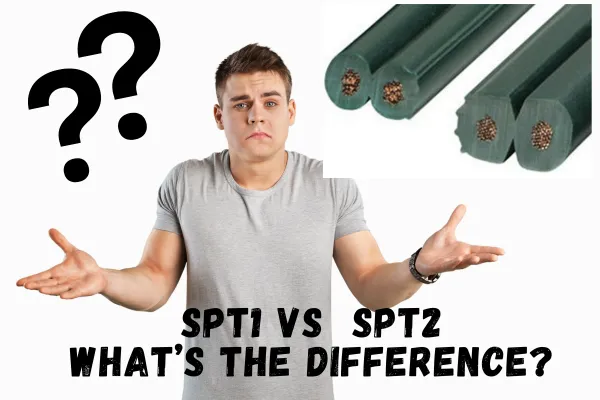
Difference Between SPT-1 and SPT-2 Wire
When choosing lamp cord or parallel power cord for low-voltage applications like lamps, holiday lights, or small appliances, you’ll often come across SPT-1 wire and SPT-2 wire. While both are widely used in residential and commercial settings, they differ in construction and performance. Understanding these differences helps ensure safety, durability, and proper application.
Read more- Low Voltage Cables – LV
- Medium Voltage Cables – MV
- High Voltage Cables-HV
- Steel Wire Armored Cable (SWA Cable)
- XLPE Insulated Power Cables
- Mineral Insulated Cable (MICC/MI Cable)
- TPS Cable
- Control Cable
- Instrumentation Cable
- Coaxial Cable
- VFD Cable
- Computer Cable
- Electrical Wire
- MC Cable
- NM-B (Non-Metallic Sheathed) Copper Wire
- UF-B Underground Feeder Cable
- MTW Wire
- Prefabricated branch cables
- 4/0 Type W Cable
- Trunk Trailer ABS Cable
- SO Cable
- LSZH Cable
- Copper Ground Rods
- Copper Clad Steel Antenna Wire
- High Temperature Wire
- EV Automotive High Voltage Silicone Rubber Cable
- Submersible Pump Wire
- Floating cable
- LC to LC Fiber Patch Cables
- Flexible Cable
- Drag Chain Cables
- Silicone Rubber Low Temperature Resistant Cable
- All-Aluminum Conductors for Overhead Power Lines
- Aerial Bundled Cable (ABC Cable)
- Aerial Insulation Line (AIL)
- Bare Stranded Conductors
- Wind Farm Cables
- Overhead Service Drop Cable
- Concentric Service Cable
- Telephone Drop Cable
- Solar PV Cable
Recent Posts


