
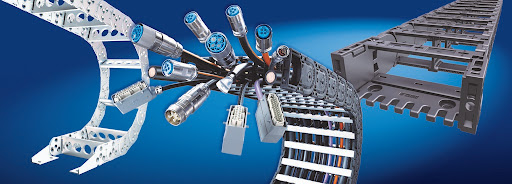
10 Critical Parameters for Drag Chain Cable Selection
Drag chain cables aren't just flexible cables—they're precision-engineered for millions of flex cycles in one of the harshest cable environments. Get the specifications wrong, and failure is guaranteed. Get them right, and your cables outlast the machine.
Read more
Outdoor Cable Selection: IP Rating, UV Protection, and Temperature Range Explained
Your outdoor cables looked perfect when installed. Six months later, the jacket is cracking, water is getting inside, and you're replacing the entire run. Cost: $8,000 in materials, labor, and downtime. The problem? The cable was rated for outdoor use—but not for YOUR outdoor conditions. UV exposure in Arizona is different from rain in Seattle, which is different from snow in Canada, which is different from coastal salt spray in Florida.
Read more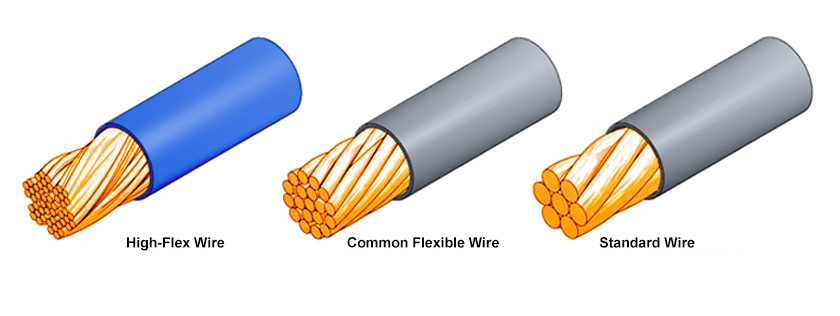
High-Flex Cable vs Standard Cable: When to Upgrade (And When Not To)
High-flex cables aren't always necessary. But when they are, they're irreplaceable. This guide tells you exactly when to upgrade and when to save your money.
Read more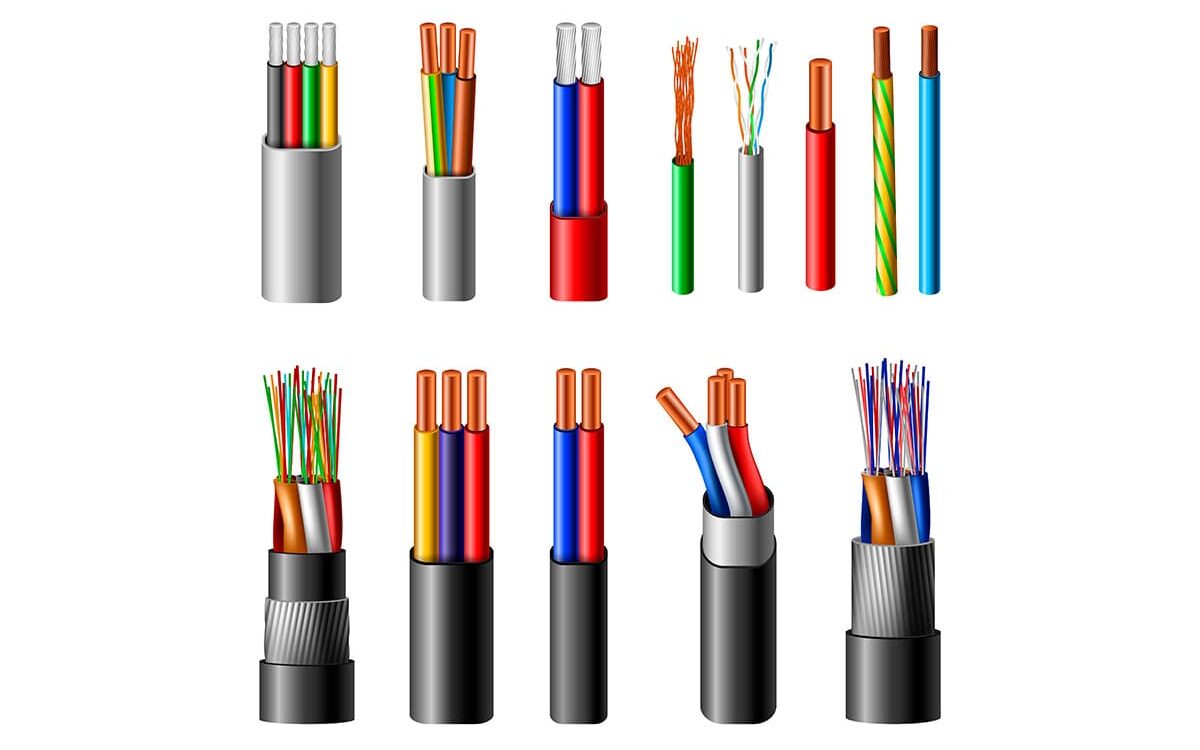
Cable Selection Made Simple: 5 Steps From Requirements to the Right Product
Most people make costly mistakes: buying based on price alone, copying what was used before without understanding why, or choosing cables that fail within months because they don't match the actual operating conditions. This guide gives you a simple 5-step process to confidently select the right cable every time—no electrical engineering degree required.
Read more
Industrial Automation Cable Selection: The Complete Guide
In industrial automation, cables aren't just wires—they're critical components that determine system reliability, performance, and lifespan. Choose wrong and you'll face constant downtime, mysterious faults, and expensive replacements. Choose right and your system runs flawlessly for decades.
Read more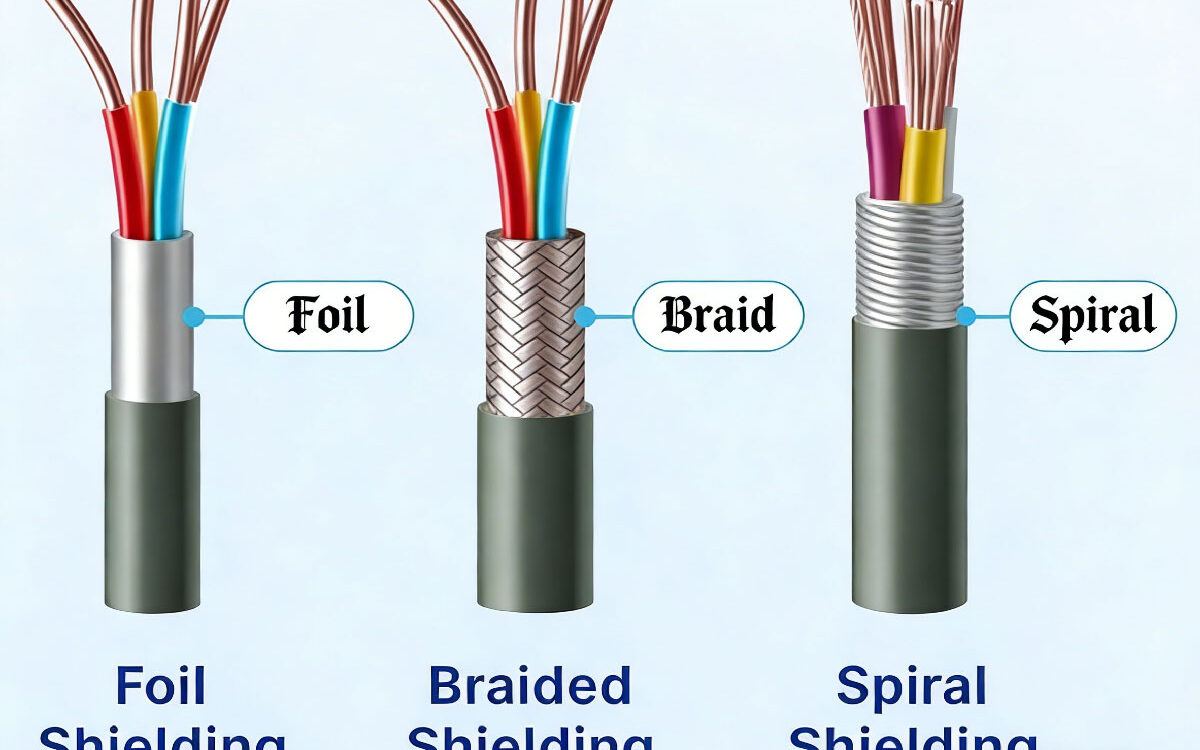
Cable Shielding Explained: Braid vs Foil vs Spiral (Which One Do You Actually Need?)
Cable shielding isn't a one-size-fits-all solution. Braid, foil, and spiral shields each work differently, cost differently, and perform differently. Choose wrong and you'll either waste money on unnecessary protection or leave your signals vulnerable to interference. This guide breaks down the three main shielding types, explains how each works, and tells you exactly when to use each one.
Read more
The “Nerves” and “Blood Vessels” of Offshore Wind Power: Understanding Optical-Electrical Composite Submarine Cables
Today, most offshore wind farms no longer rely on simple power cables. Instead, they use optical-electrical composite sea cables, which combine high-voltage power transmission and fiber-optic communication into a single integrated system. In many ways, these cables act as both the “blood vessels” and “nervous system” of offshore wind farms—delivering energy while simultaneously transmitting data and monitoring system health.
Read more
Cable Ampacity Explained: How to Calculate Current Capacity (And Why It Matters)
Cable ampacity isn't a single number—it's a calculation that depends on how and where you're using the cable. Get it wrong and you risk equipment damage, fire, or code violations. Get it right and your installation is safe, efficient, and code-compliant.
Read more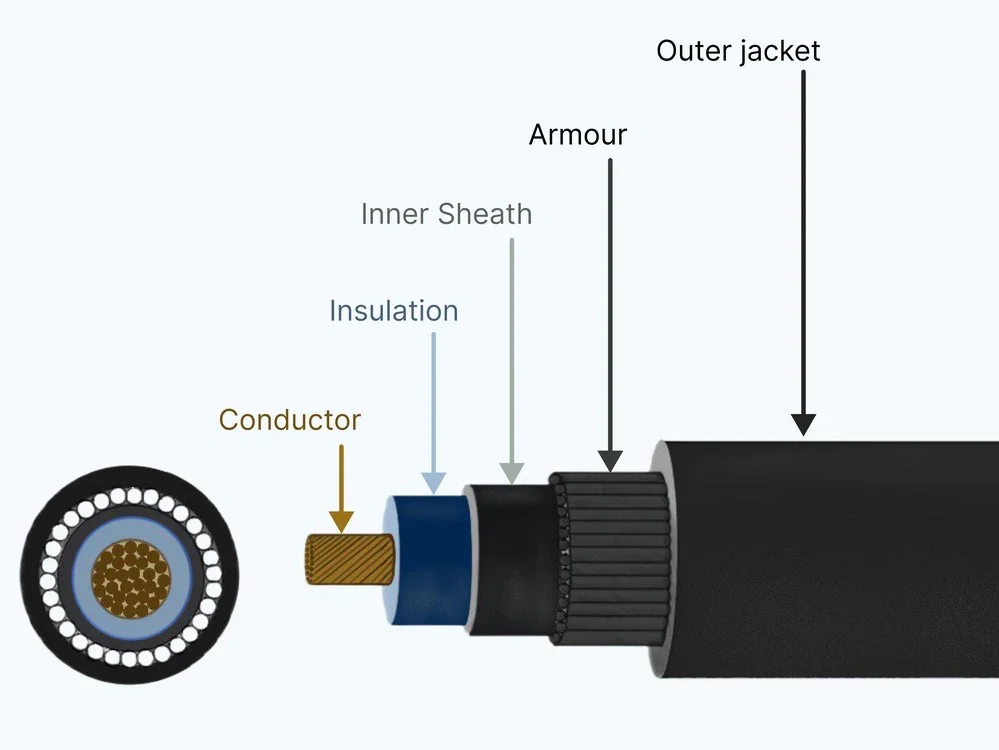
Cable Construction Explained: From Conductor to Jacket (The Practical Guide)
Ever wondered why some cables cost $2 per meter while others cost $20? Or why your "heavy-duty" cable failed after six months while a cheaper one lasted five years? The answer lies in construction—the layers and materials inside the cable.
Read more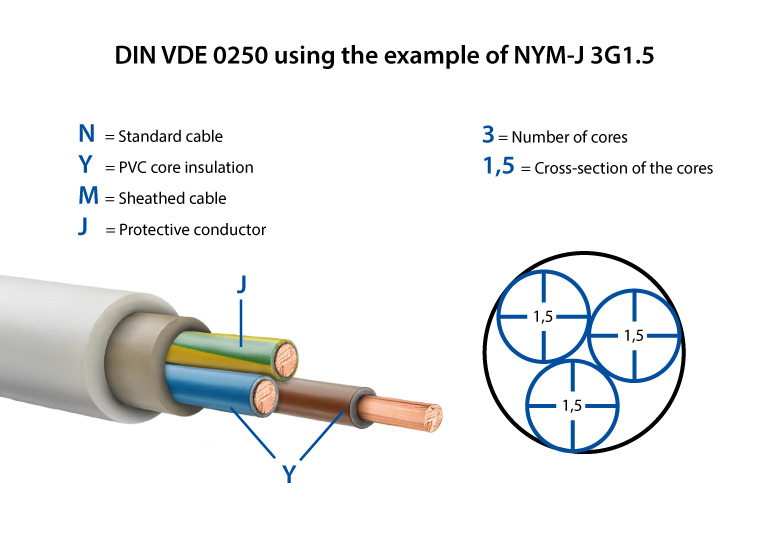
Cable Designation System Decoded: Chinese GB, American NEC, and European IEC Standards Explained
Before we dive into the codes, understand this: cable designation systems exist to compress complex technical specifications into standardized shorthand.
Read more- Low Voltage Cables – LV
- Medium Voltage Cables – MV
- High Voltage Cables-HV
- Steel Wire Armored Cable (SWA Cable)
- XLPE Insulated Power Cables
- Mineral Insulated Cable (MICC/MI Cable)
- TPS Cable
- Control Cable
- Instrumentation Cable
- Coaxial Cable
- VFD Cable
- Computer Cable
- Electrical Wire
- MC Cable
- NM-B (Non-Metallic Sheathed) Copper Wire
- UF-B Underground Feeder Cable
- MTW Wire
- Prefabricated branch cables
- 4/0 Type W Cable
- Trunk Trailer ABS Cable
- SO Cable
- LSZH Cable
- Copper Ground Rods
- Copper Clad Steel Antenna Wire
- High Temperature Wire
- EV Automotive High Voltage Silicone Rubber Cable
- Submersible Pump Wire
- Floating cable
- LC to LC Fiber Patch Cables
- Flexible Cable
- Drag Chain Cables
- Silicone Rubber Low Temperature Resistant Cable
- All-Aluminum Conductors for Overhead Power Lines
- Aerial Bundled Cable (ABC Cable)
- Aerial Insulation Line (AIL)
- Bare Stranded Conductors
- Wind Farm Cables
- Overhead Service Drop Cable
- Concentric Service Cable
- Telephone Drop Cable
- Solar PV Cable
Recent Posts


