
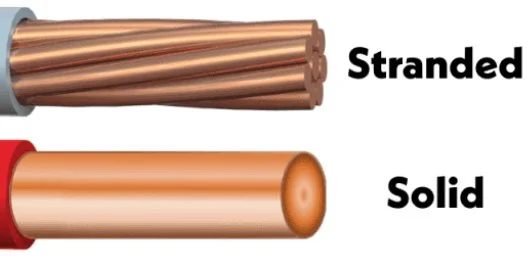
Stranded vs. Solid Wire: The Definitive Guide to Choosing the Right Conductor for Your Project
Every electrical project begins with a key decision: stranded wire or solid wire? Though both types serve the fundamental purpose of conducting electricity, their construction, physical properties, and ideal use cases differ significantly. Choosing the right type of wire impacts not just installation ease but also performance, durability, and safety.
Read more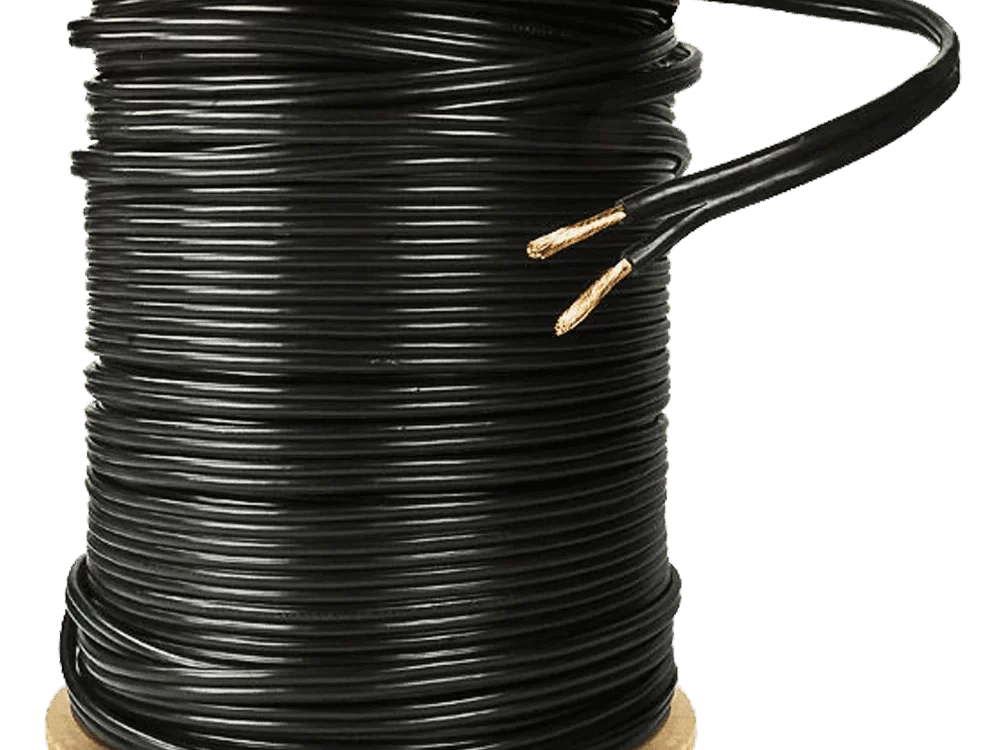
The Complete Guide to Low Voltage Landscape Wire: Choosing the Right Cable for Outdoor Lighting
Low voltage landscape lighting has transformed outdoor spaces—from residential gardens to commercial pathways—offering both beauty and safety. But behind every beautifully lit landscape is one crucial component that often goes unnoticed: the low voltage landscape wire.
Read more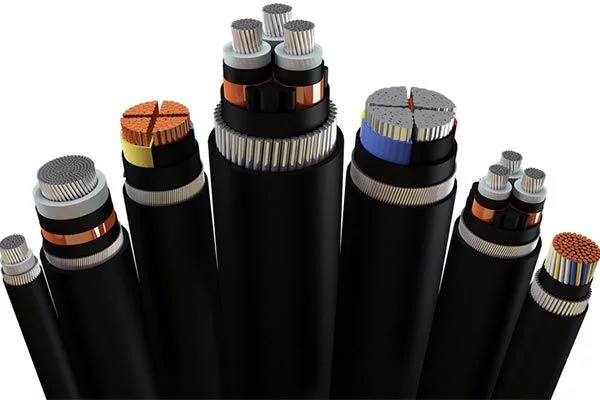
Understanding LV Cable Types: A Complete Guide to Low Voltage Cables
Low Voltage (LV) cables are essential in electrical systems where the voltage does not exceed 1,000 volts AC or 1,500 volts DC. They are widely used in residential, commercial, and industrial installations to deliver safe and reliable power. Choosing the right LV cable type is crucial for efficiency, safety, and compliance with standards.
Read more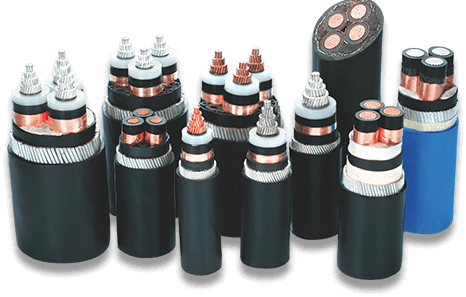
Connecting Continents and Grids: The Global Leaders in High Voltage Cable Manufacturing
High Voltage (HV) and Extra High Voltage (EHV) cables are the lifelines of modern electrical infrastructure. From cross-country transmission to offshore wind farms, these cables ensure stable and efficient power delivery over long distances and harsh terrains. Behind these complex systems stand a few elite manufacturers who combine cutting-edge engineering, stringent quality control, and decades of experience.
Read more
Powering the Grid: A Comprehensive Guide to Top Medium Voltage Cable Manufacturers
Medium voltage (MV) cables are the unsung heroes of the modern electrical grid. They serve as the bridge between substations and end-use applications—powering factories, commercial complexes, renewable energy sites, and utility infrastructure. With voltage ratings typically ranging from 1 kV to 35 kV (and up to 69 kV in some cases), MV cables are engineered to handle demanding electrical loads with safety and efficiency.
Read more
Leading the Charge: A Comprehensive Guide to Top Low Voltage Cable Manufacturers
In our increasingly connected world, low voltage cables are everywhere — silently powering systems in smart homes, commercial buildings, factories, and data centers. But behind every reliable low voltage system lies a critical choice: selecting the right manufacturer. This guide walks you through what low voltage cables are, what makes a good manufacturer, and introduces some of the top global players in the industry.
Read more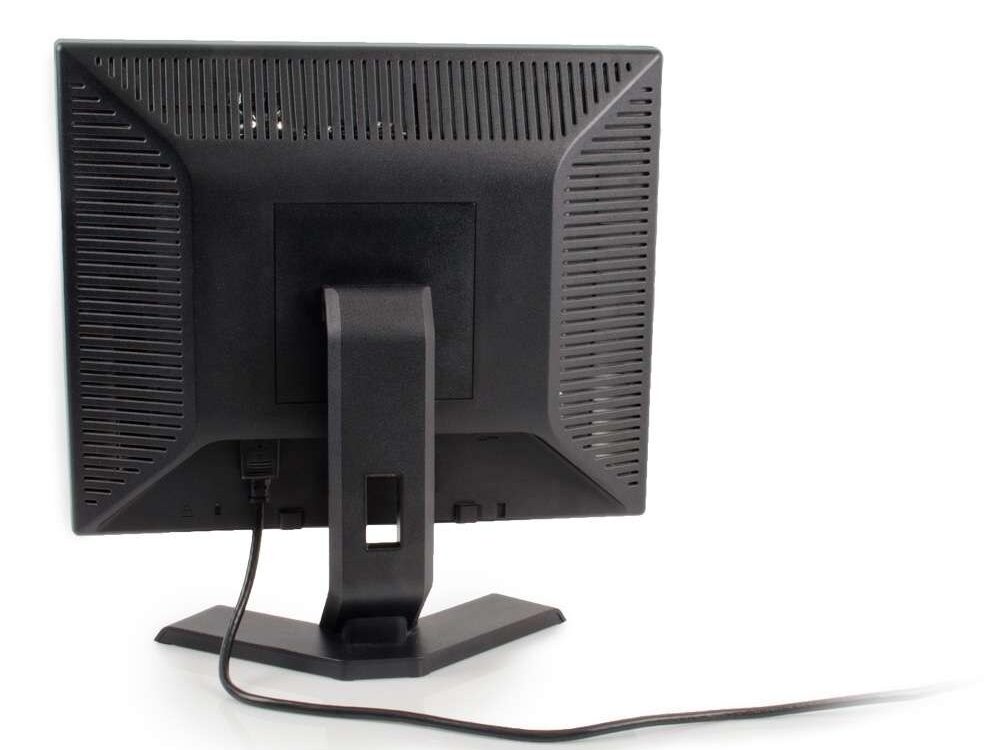
The Essential Guide to Monitor Power Cables: Never Lose Power to Your Display Again!
A monitor is useless without power. But what kind of power cable does your monitor need? It's not always obvious. Many users are confused by the variety of cable types, brand-specific adapters, and vague labels like "monitor power cable" or "computer monitor power cable."
Read more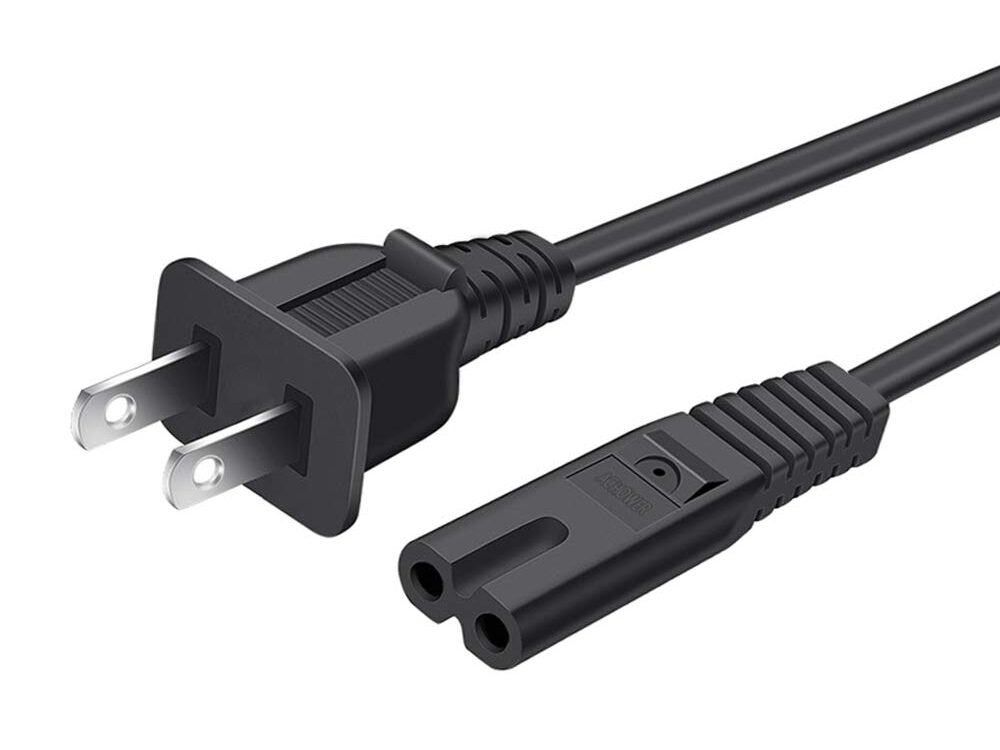
The Ultimate Guide to Xbox Power Cords: Don't Let a Lost Cord Stop Your Game!
Lost your Xbox power cord? Don’t panic—you’re not alone. Power cords are among the most commonly misplaced accessories, and luckily, replacing one can be easy… if you know exactly what you need. Each Xbox generation has different power requirements, and choosing the wrong one could mean frustration or worse—a damaged console.
Read more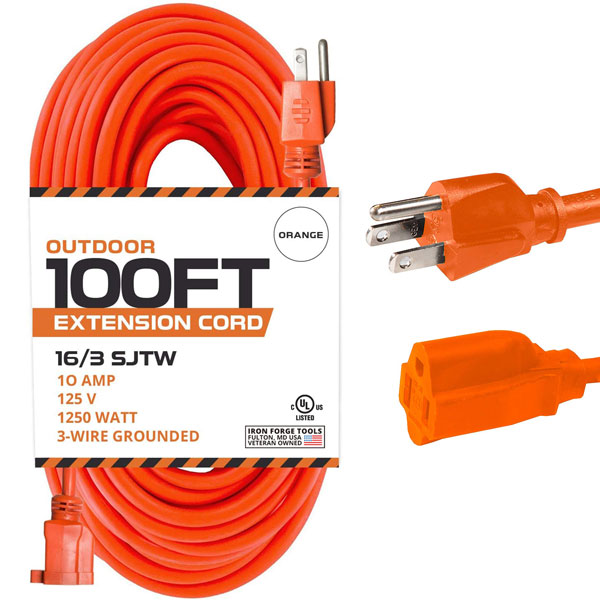
Unleash the Power: Your Complete Guide to Choosing the Best 100 ft Extension Cord
When you need electricity far from the outlet, a 100 ft extension cord is your go-to solution. But not all cords are created equal. Using the wrong extension cord—especially one that’s too thin or poorly rated—can result in voltage drop, overheating, equipment malfunction, or even fire hazards.
Read more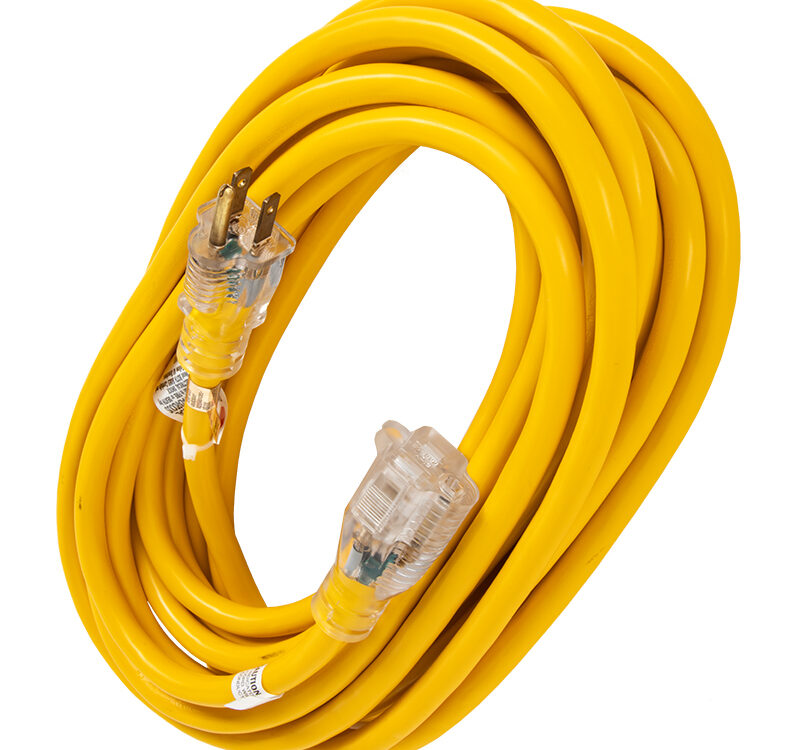
The Ultimate Buyer's Guide to Heavy-Duty Extension Cords: Powering Your Toughest Jobs Safely
Tired of flimsy extension cords that overheat, underperform, or simply can’t keep up with your tools? When you’re powering demanding equipment—whether at home, on the jobsite, or outdoors—you need something far stronger: a heavy-duty extension cord.
Read more- Low Voltage Cables – LV
- Medium Voltage Cables – MV
- High Voltage Cables-HV
- Steel Wire Armored Cable (SWA Cable)
- XLPE Insulated Power Cables
- Mineral Insulated Cable (MICC/MI Cable)
- TPS Cable
- Control Cable
- Instrumentation Cable
- Coaxial Cable
- VFD Cable
- Computer Cable
- Electrical Wire
- MC Cable
- NM-B (Non-Metallic Sheathed) Copper Wire
- UF-B Underground Feeder Cable
- MTW Wire
- Prefabricated branch cables
- 4/0 Type W Cable
- Trunk Trailer ABS Cable
- SO Cable
- LSZH Cable
- Copper Ground Rods
- Copper Clad Steel Antenna Wire
- High Temperature Wire
- EV Automotive High Voltage Silicone Rubber Cable
- Submersible Pump Wire
- Floating cable
- LC to LC Fiber Patch Cables
- Flexible Cable
- Drag Chain Cables
- Silicone Rubber Low Temperature Resistant Cable
- All-Aluminum Conductors for Overhead Power Lines
- Aerial Bundled Cable (ABC Cable)
- Aerial Insulation Line (AIL)
- Bare Stranded Conductors
- Wind Farm Cables
- Overhead Service Drop Cable
- Concentric Service Cable
- Telephone Drop Cable
- Solar PV Cable
Recent Posts


