
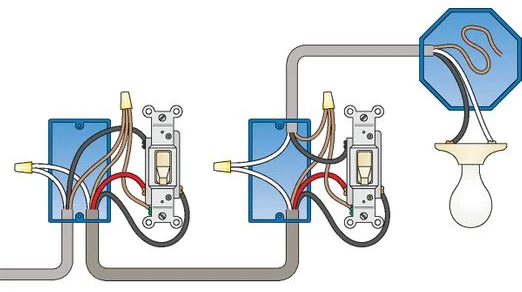
3-Way Switch Wiring: Complete Guide with Diagrams
A 3-way switch lets you control one light from two different locations. It requires two 3-way switches connected by traveler wires, allowing either switch to turn the light on or off regardless of the other switch's position. Basic setup: Power → Switch 1 ↔ Traveler Wires ↔ Switch 2 → Light
Read more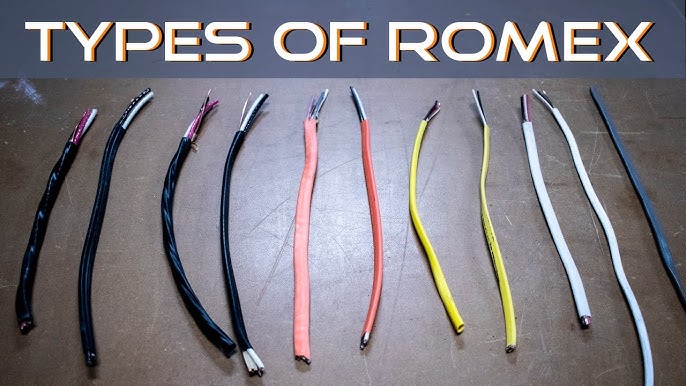
Types of Romex Wiring: Complete Guide to NM-B Cable Types & Uses
Romex wiring comes in multiple types based on wire gauge, number of conductors, and environmental rating. The most common types include 14/2, 12/2, 10/2, 14/3, 12/3, and 10/3 cables, each designed for specific electrical loads and applications.
Read more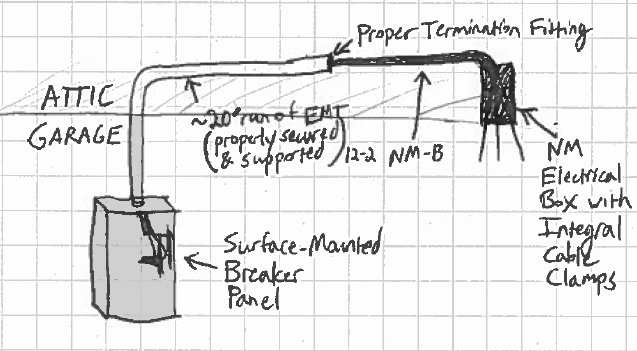
Can You Run Romex in Conduit? Code Requirements & Best Practices Explained
Quick Answer Yes, you CAN run Romex inside conduit according to the National Electrical Code. However, it's often not the most practical or cost-effective choice for most installations.
Read more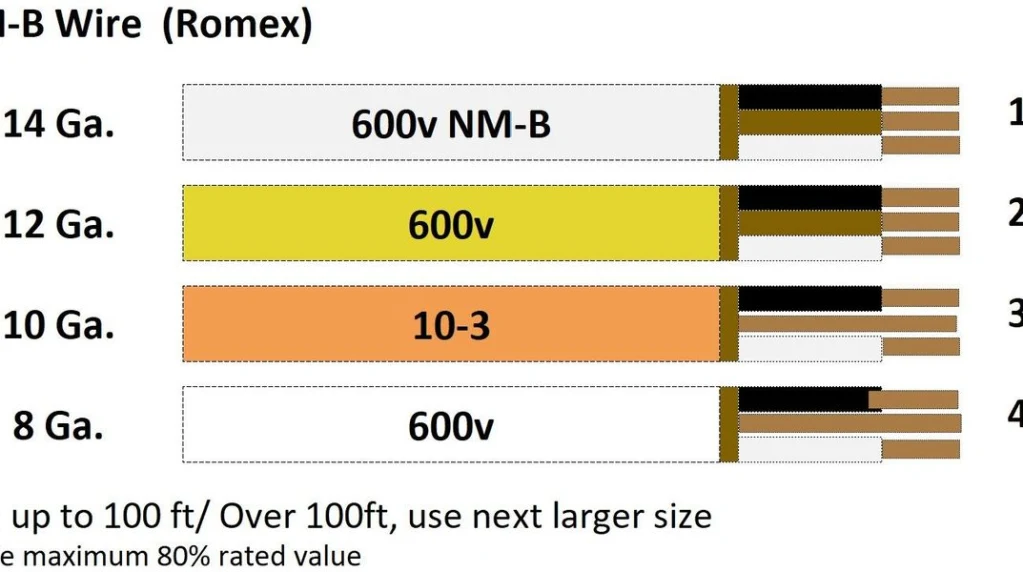
Romex Wire Size Chart: Complete Ampacity & Sizing Guide
A Romex wire size chart shows the relationship between wire gauge 14, 12, 10, 8, 6 AWG, maximum ampacity, appropriate circuit breaker size, and typical applications—helping you select the correct wire size for safe, code-compliant electrical installations. Choosing the wrong wire size can lead to overheating, fire hazards, and code violations, while oversizing wastes money on unnecessarily expensive wire.
Read more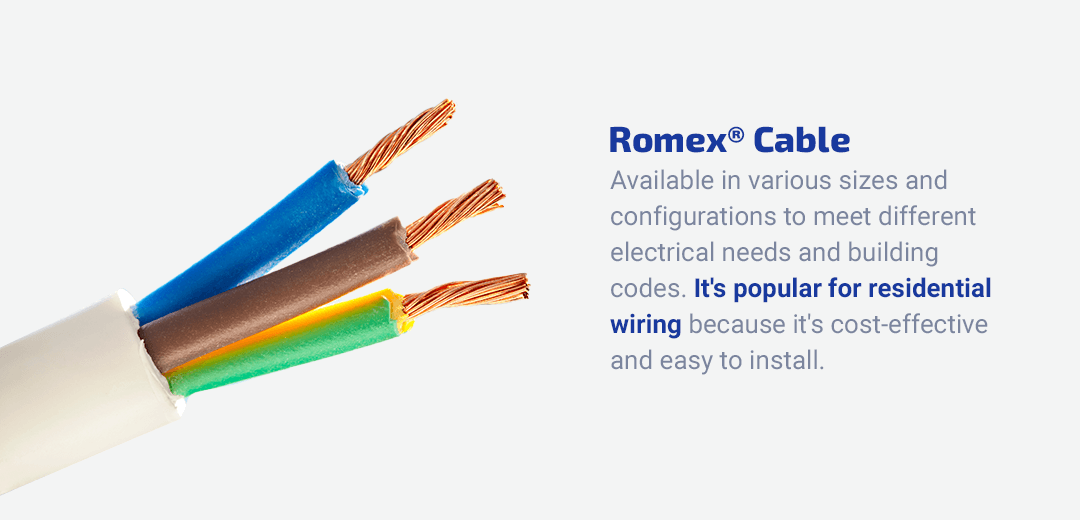
What Is Romex Wiring? Complete Guide to NM-B Cable for Home Electrical
Romex wiring is a brand name for non-metallic sheathed cable NM-B that contains insulated electrical wires bundled together inside a flexible plastic jacket—it's the most common type of electrical wiring used inside walls and ceilings of residential homes throughout North America. When you open a wall in almost any modern house, the flat, beige or white cable you see running between studs is most likely Romex or a similar NM-B cable brand.
Read more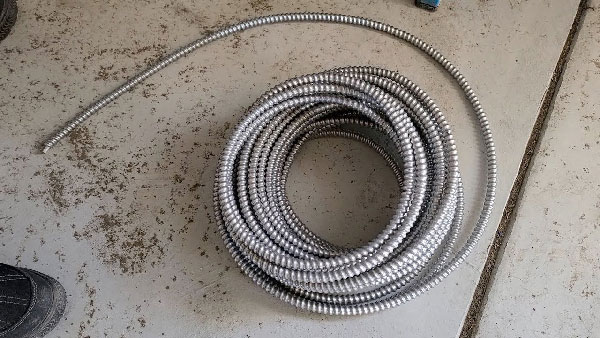
What Is BX Cable Used For? Applications, Locations & When to Use It
BX cable (armored cable) is primarily used for exposed electrical wiring in residential and light commercial applications where physical protection is needed but full conduit isn't required. The flexible metal armor protects the insulated wires inside from physical damage, rodents, and minor moisture exposure, making it ideal for basement installations, garage wiring, and exposed runs along walls and ceilings where standard Romex (NM-B) cable isn't permitted by code.
Read more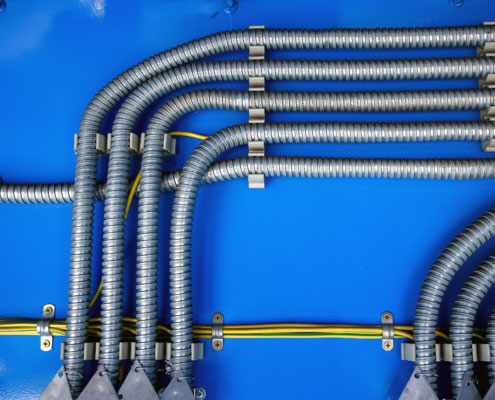
What Is Electrical Conduit? Types, Code Requirements & Installation Guide
Electrical conduit is a protective tube or raceway system that houses electrical wires, shielding them from physical damage, moisture, and environmental hazards while providing a neat, organized wiring installation. Unlike cable systems like Romex (NM-B) or BX that come with built-in protective sheathing, conduit is an empty pipe that you pull individual insulated wires through—offering superior protection and flexibility for future wiring changes.
Read more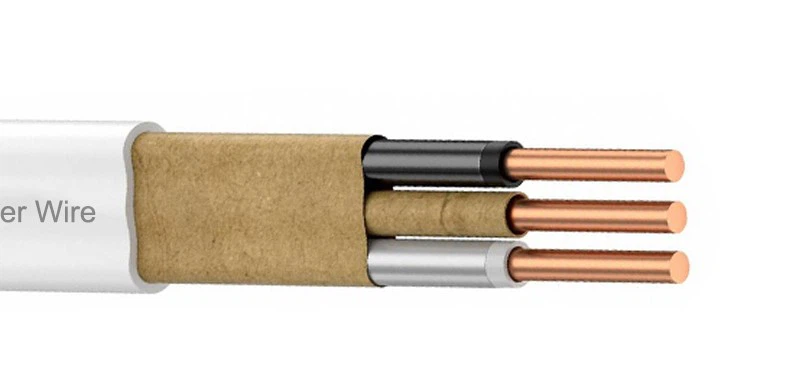
What Does NM-B Stand For? Understanding NM-B Wire and Romex Cable
NM-B stands for Non-Metallic sheathed cable, type B, where the B indicates the cable is rated for 90°C in dry locations. This designation identifies the most common electrical cable used in residential wiring—what most people call Romex a brand name that has become synonymous with NM-B cable.
Read more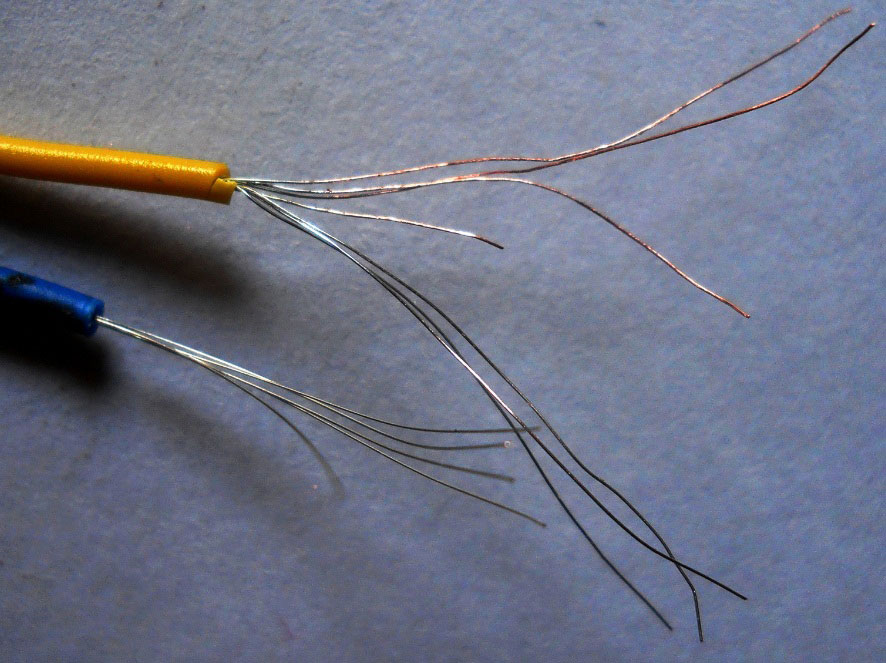
Can copper wire be silver in color?
es — copper wire can be silver in color, and this often confuses people. A silver-colored wire does not automatically mean it’s aluminum. Here are the most common reasons copper wire appears silver:
Read more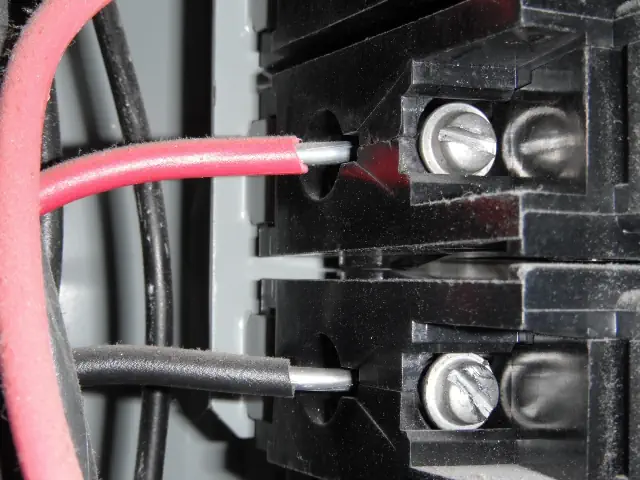
What years was aluminum wiring used in houses?
Aluminum wiring was commonly used in houses between the mid-1960s and the late 1970s.
Read more- Low Voltage Cables – LV
- Medium Voltage Cables – MV
- High Voltage Cables-HV
- Steel Wire Armored Cable (SWA Cable)
- XLPE Insulated Power Cables
- Mineral Insulated Cable (MICC/MI Cable)
- TPS Cable
- Control Cable
- Instrumentation Cable
- Coaxial Cable
- VFD Cable
- Computer Cable
- Electrical Wire
- MC Cable
- NM-B (Non-Metallic Sheathed) Copper Wire
- UF-B Underground Feeder Cable
- MTW Wire
- Prefabricated branch cables
- 4/0 Type W Cable
- Trunk Trailer ABS Cable
- SO Cable
- LSZH Cable
- Copper Ground Rods
- Copper Clad Steel Antenna Wire
- High Temperature Wire
- EV Automotive High Voltage Silicone Rubber Cable
- Submersible Pump Wire
- Floating cable
- LC to LC Fiber Patch Cables
- Flexible Cable
- Drag Chain Cables
- Silicone Rubber Low Temperature Resistant Cable
- All-Aluminum Conductors for Overhead Power Lines
- Aerial Bundled Cable (ABC Cable)
- Aerial Insulation Line (AIL)
- Bare Stranded Conductors
- Wind Farm Cables
- Overhead Service Drop Cable
- Concentric Service Cable
- Telephone Drop Cable
- Solar PV Cable
Recent Posts


